Book Categories:

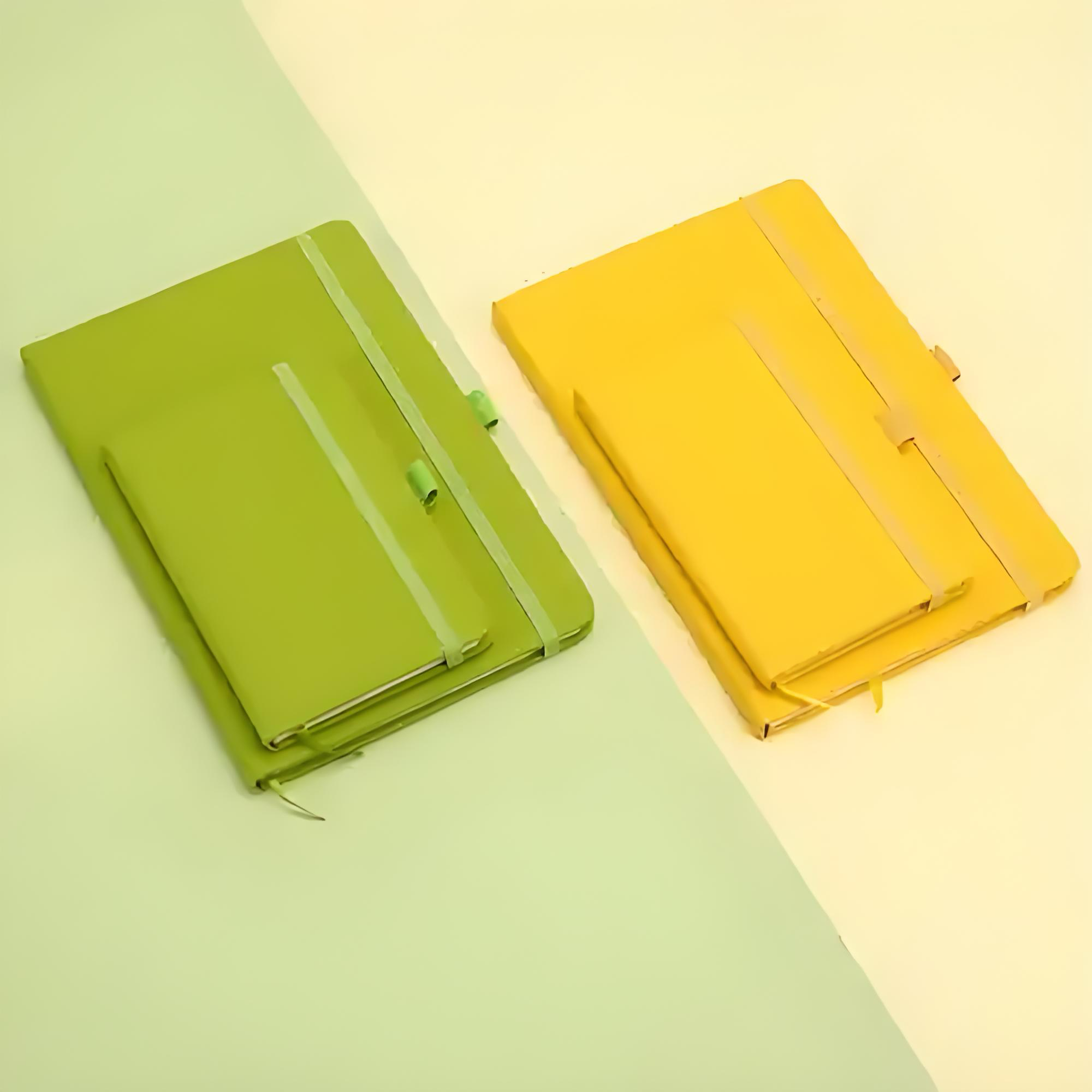

For bulk export of custom notebooks, planners and journals, brand OEM/ODM customization, and large wholesale orders, cover material directly dictates profit margins. Serving as the first visual impression of a notebook, the cover exerts a direct impact on durability, texture, brand image and sales volume. The right cover material sustains long-term hot sales for product lines, while poor material choices can quickly lead to elimination from the market.
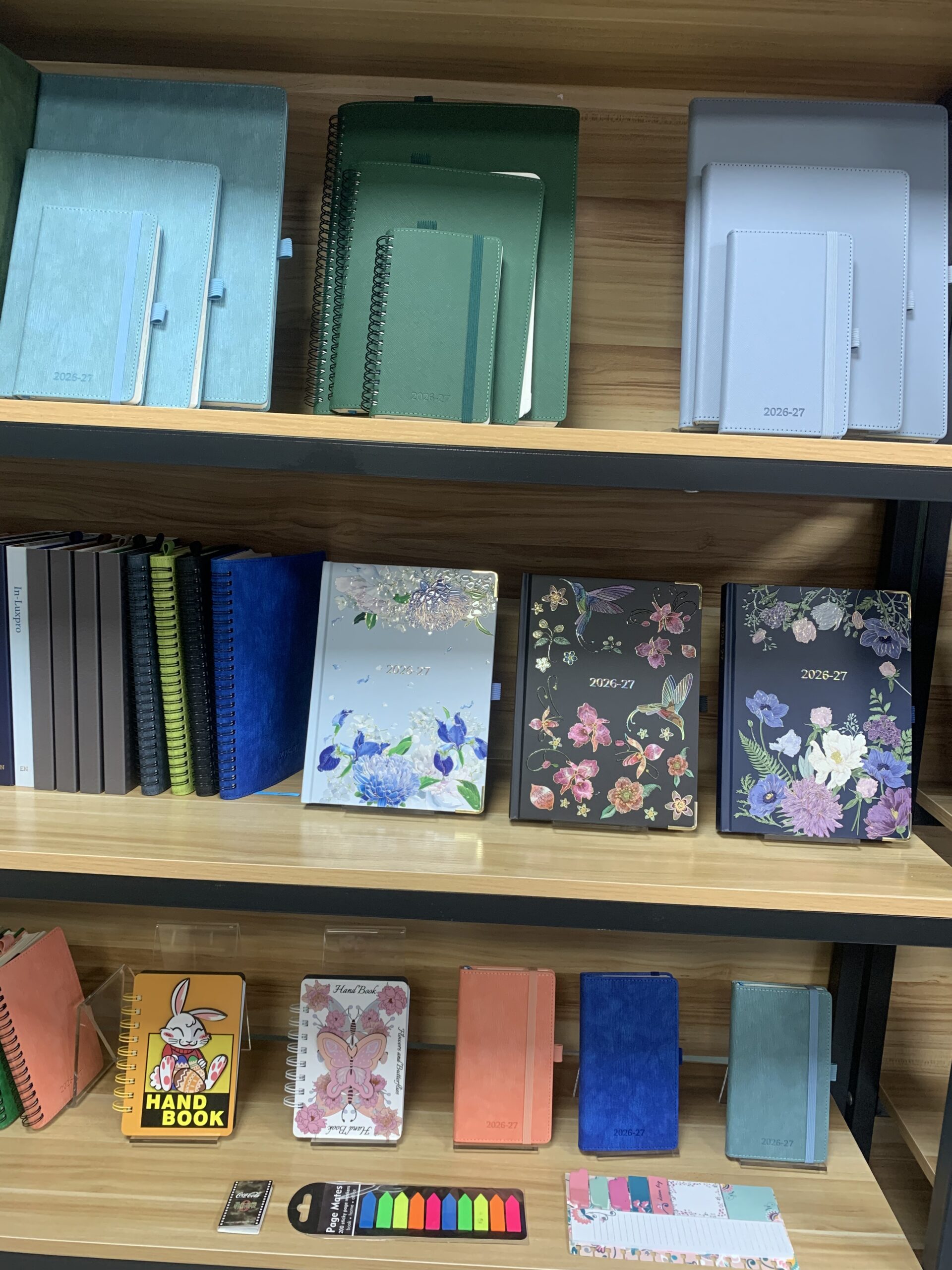
I. Impacts of Cover Materials
- Durability: Suits harsh conditions including extrusion during long-distance sea freight, daily commuter carrying, long-term shelf display in physical supermarkets, and inspection standards for large-scale warehouse stockpiling.
- Brand Premium Texture: Enables tiered positioning for retail goods, corporate gifts and premium presents. High-grade fabrics can boost the premium of custom items printed with private brand logos by 20%–40%.
- International Customs Clearance Compliance: Meets mandatory standards such as FSC certification required in Europe and the US, avoiding port detention fees and customs fines.
- Cost & Quotation Framework: Raw material unit price, minimum order quantity (MOQ), and wastage from hot foil stamping, spot UV and embossing processes directly determine factory ex-factory prices, wholesale rates and end retail prices.
II. Mainstream Cover Materials
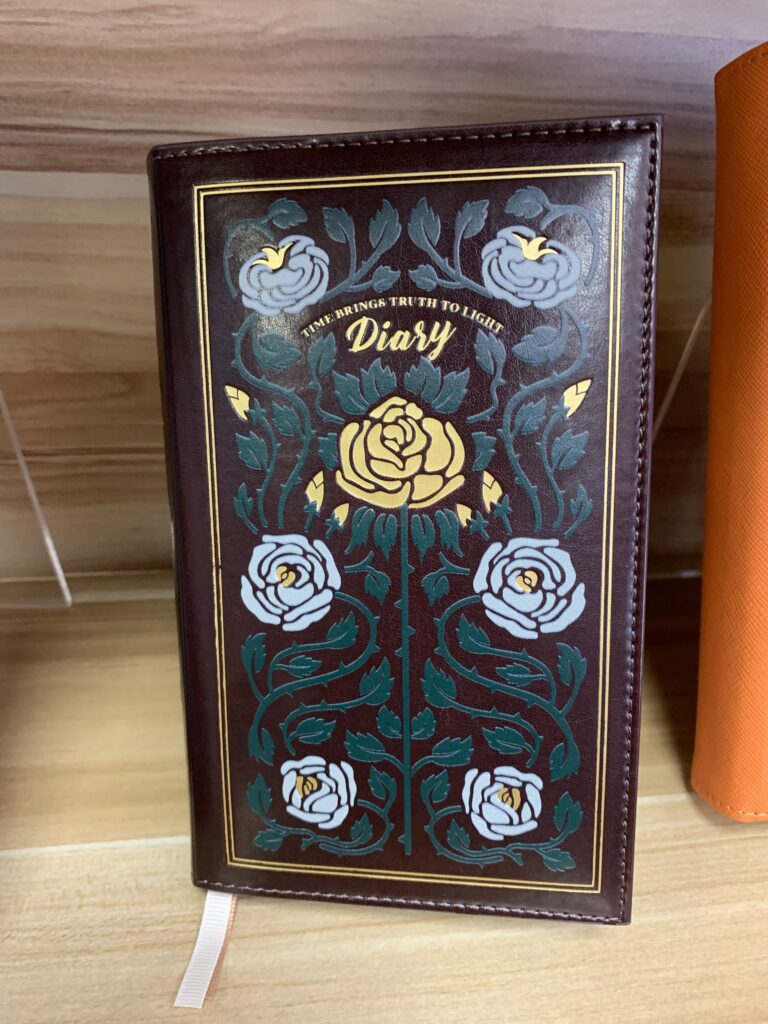
- Genuine leather / Split leather: Target high-end gifts and limited-edition releases; priced roughly 40% higher than PU leather counterparts.
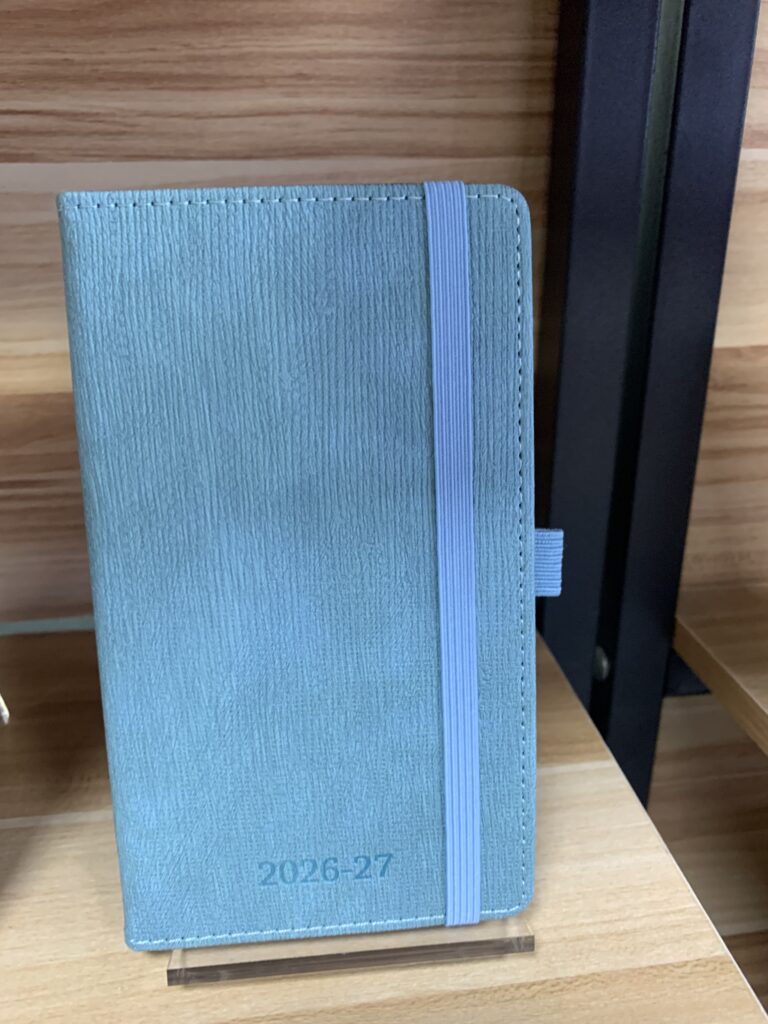
- PU / Recycled leather: The backbone of export mass sales and top pick for retail lines; costs 40%–60% less than genuine leather with abundant style options to drive sales.
- Fabric / Linen: Delivers a warm aesthetic; lamination protection is recommended for humid regions.
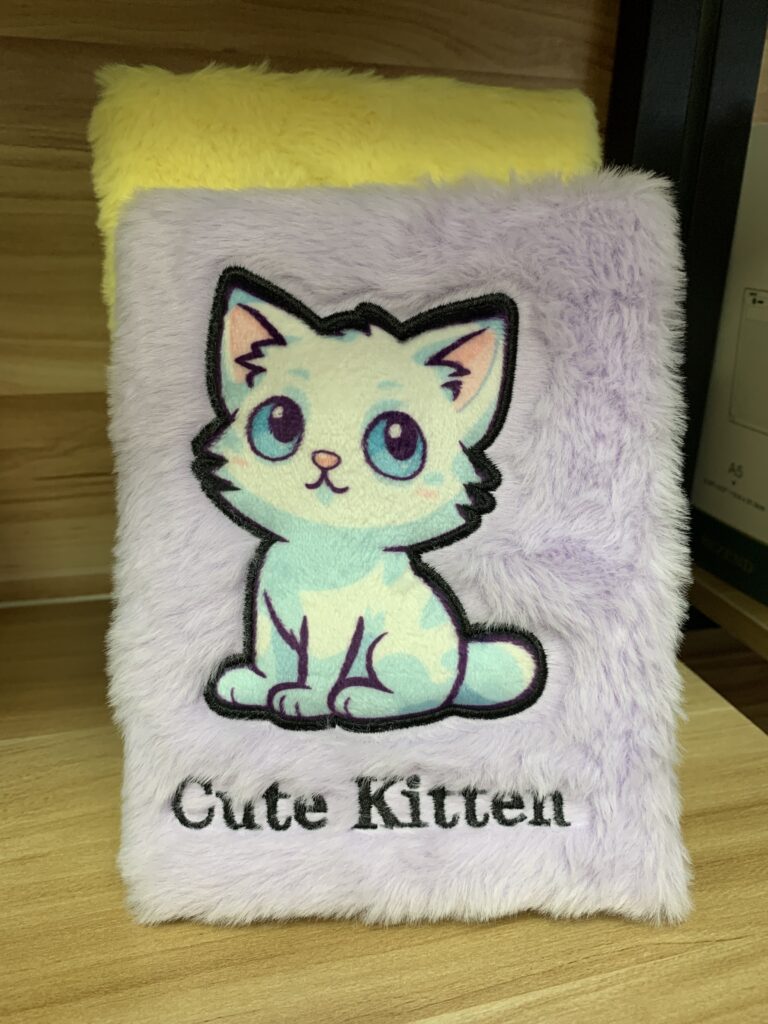
- Felt fabric: Ideal for embroidery and label appliqué, suited for small-batch seasonal collections.
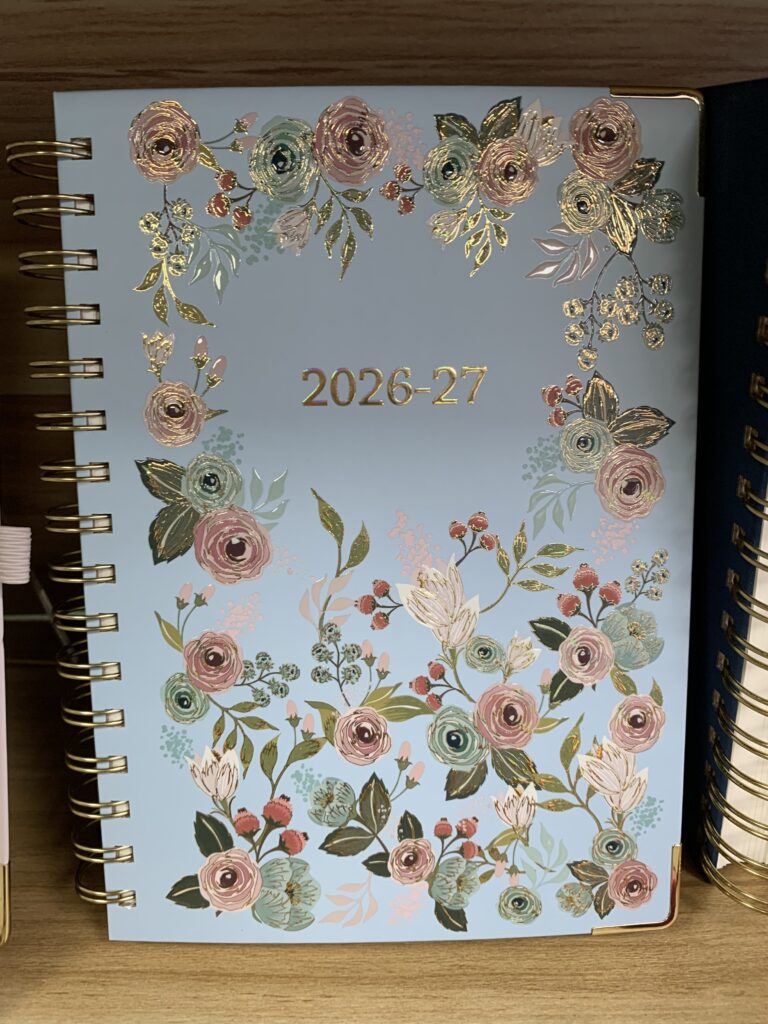
- Hard paper board: Excels in printing and finishing effects; 30%–40% heavier than soft covers, incurring higher shipping costs.
- PP plastic: A conventional choice for functional notebooks, gradually replaced by RPET and biodegradable alternatives.
- Sustainable eco-materials: Now an industry standard. Eco-friendly stationery saw an annual growth rate of 12% from 2019 to 2024, outpacing traditional materials by a wide margin.
III. Material Selection Workflow
Clarify product positioning → Select candidate materials → Compare physical material samples → Evaluate performance and color matching → Calculate costs and MOQs → Verify environmental certifications → Mass production post sample confirmation
Conclusion
Cover material is pivotal to brand building, cost control, regulatory compliance and market viability. Align material choices with your brand positioning; premium materials steadily raise per-unit gross profit and support long-term global wholesale and brand custom bulk orders.