Book Categories:

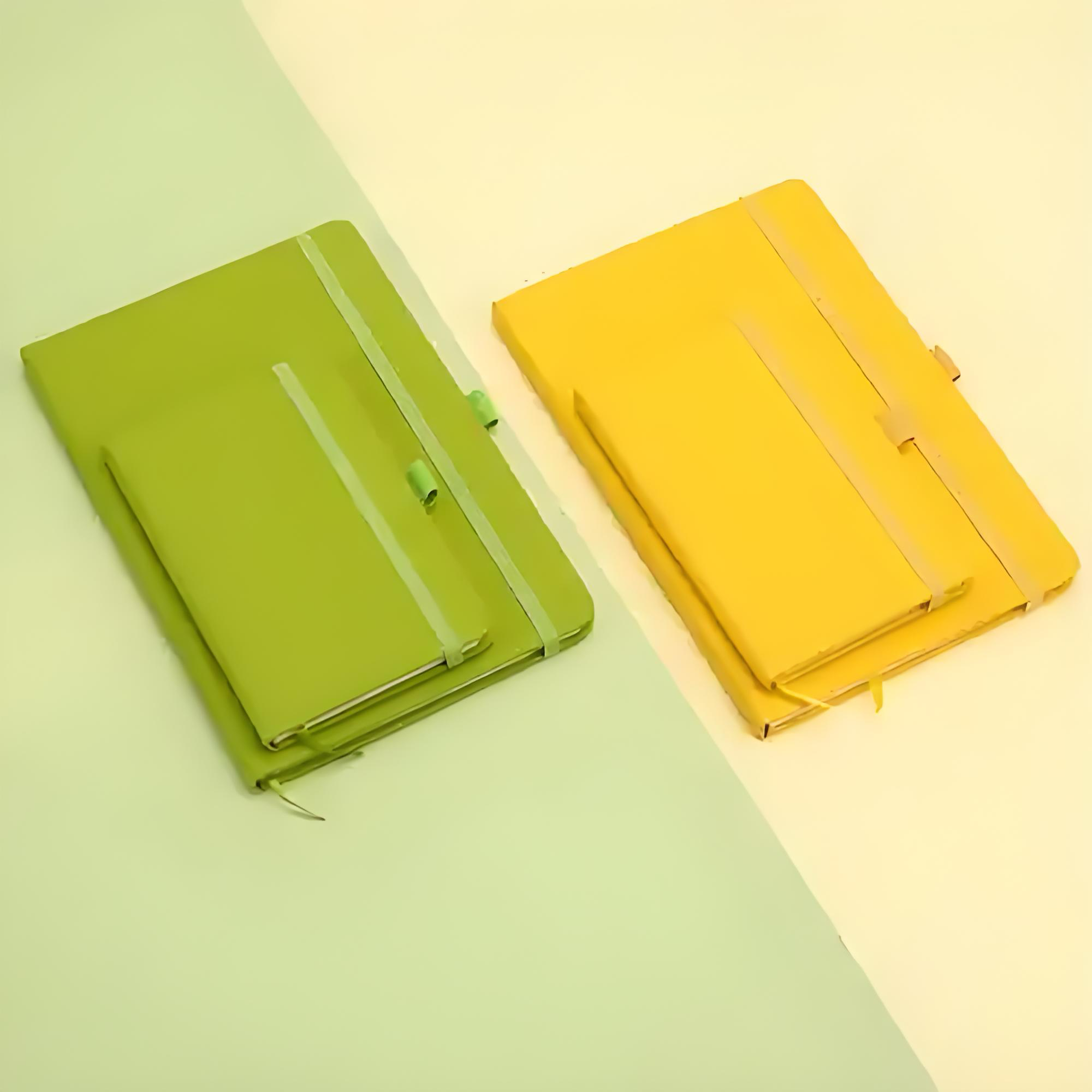

A complete planning system tailored for campus life, paired with well-designed paper planners or digital tools, can ease academic stress and steadily boost study efficiency.
I. Core Standards for Selecting an Academic Planner
There is a wide range of academic year planners on the market. Do not judge a planner merely by its appearance. Prioritize styles that match your study rhythm, and focus on four key criteria:
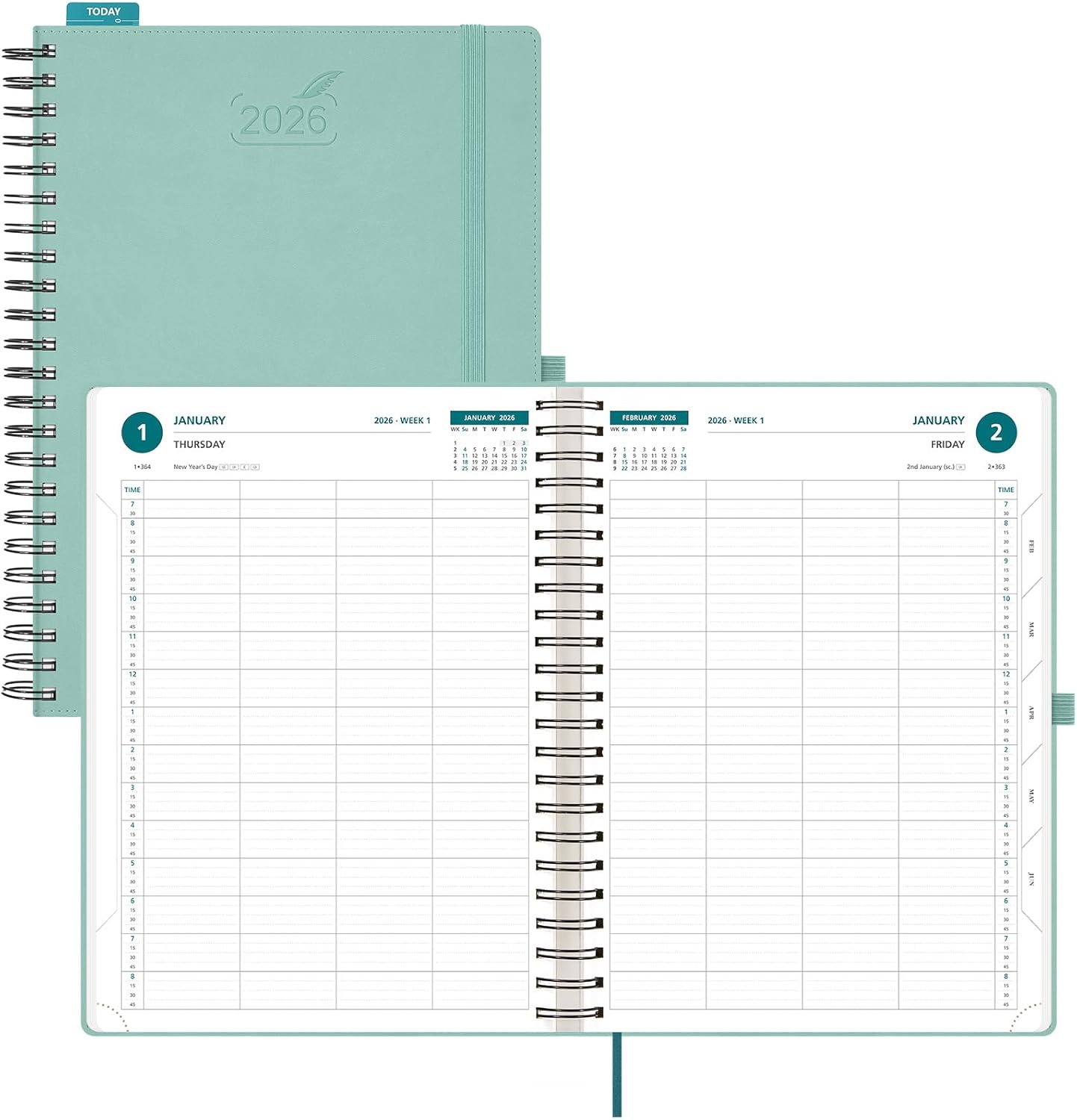
- Layout DesignWeekly spreads allow you to overview monthly assignments and exam schedules in full; daily planners with hourly timetables suit students with packed schedules and scattered tasks who need to split study time precisely. Monthly calendars help mark deadlines, competitions, CET-4/CET-6 tests, final exams and other important milestones.
- Size & PortabilityMini pocket notebooks are lightweight but offer limited writing space, only fit for quick jottings. The medium A5 size strikes a perfect balance between writing room and portability, easily slipping into backpacks and canvas bags for classes and library visits without extra burden. Large-format notebooks provide ample writing space yet are bulky for daily carry, better reserved for desk-based regular reviews.
- Customizable SectionsOpt for planners equipped with goal trackers, grade logs, project breakdown blocks and monthly review blank pages. They make it easy to split large assignments such as papers and group projects, letting you clearly track progress over time.
- Durability & Paper QualityFor frequent daily writing, choose thick ink-proof paper that resists bleeding from fountain pens, highlighters and markers. Hard covers, elastic bands, index tabs and built-in storage pockets extend the notebook’s service life, storing receipts, sticky notes and stationery in one place.
II. Advantages of Paper Planners
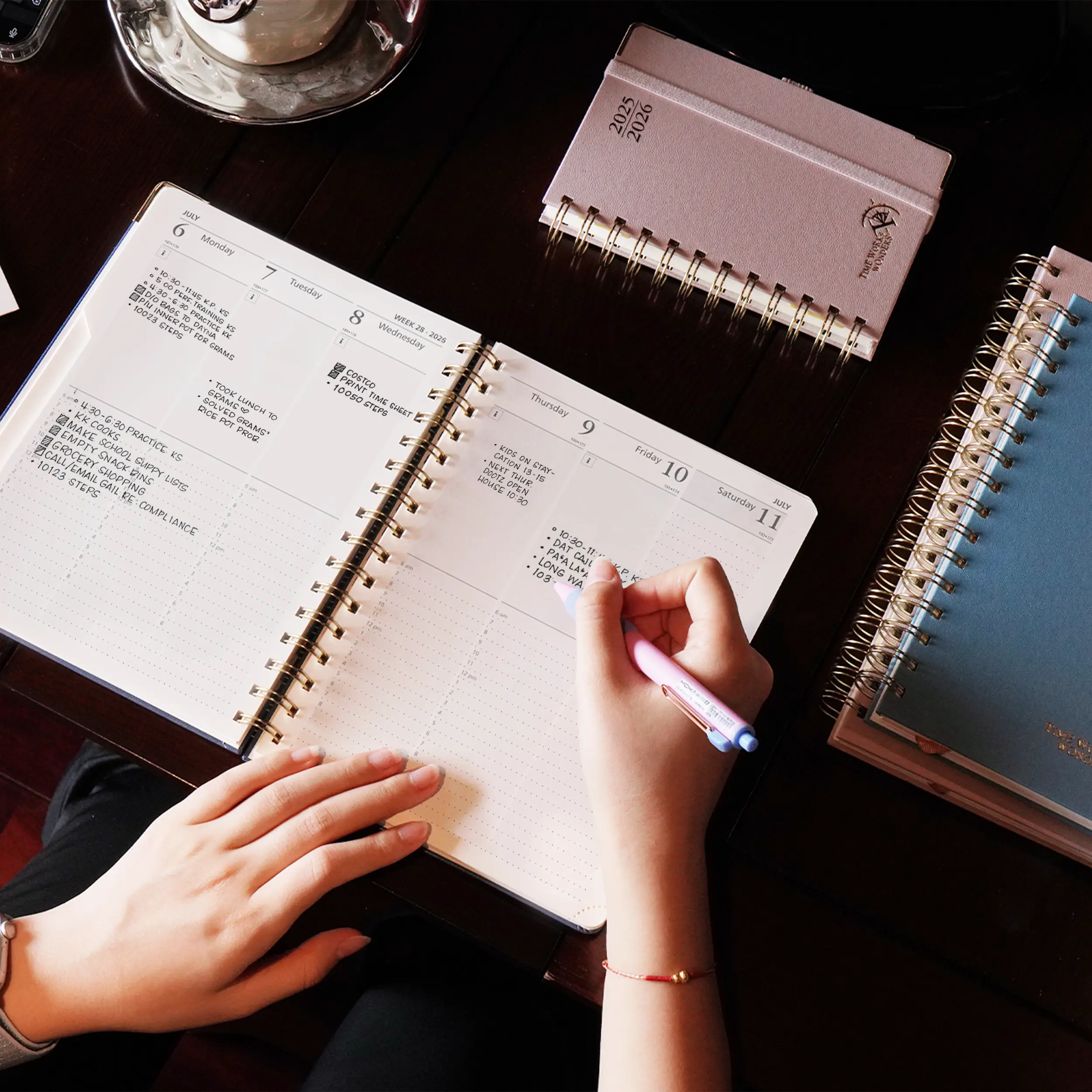
Handwriting strengthens memory and deepens your impression of classes and tasks. Free from pop-up notifications, they help you stay focused in libraries and study rooms. No charging or internet access is required — you can jot down notes anytime, anywhere. Crossing off completed tasks brings a strong sense of achievement, making it easier to stick to planning habits.
Drawbacks: You have to carry it around; no automatic reminders; erasures are needed to revise content.
III. Recommended Paper Academic Planners Ideal for College Students
- Multi-Functional 18-Month Academic PlannerCovers two full semesters, featuring integrated daily, weekly and monthly layouts with vertical hourly timelines, ideal for students with heavy class loads and numerous tasks. Equipped with ribbon bookmarks, tearable corner tabs and measuring rulers for quick monthly navigation. Extra sections include yearly overviews, monthly budget logs, contact lists, password records and dot-grid note pages to record academics and daily life all in one.Made of FSC-certified thick ivory 100gsm eco-friendly paper with superior ink resistance and smooth writing without show-through. Multiple minimalist cover colors available, with dedicated sections for habit tracking, semester goals and project breakdowns, perfect for daily planning and final term reviews.
- Minimalist Horizontal Weekly PlannerWide horizontal weekly spreads display full-day timelines, great for students who need to schedule morning classes, evening self-study and practice sessions in detail. Ample blank space allows color pens and stickers to categorize tasks by subject. Wear-resistant slim cover resists deformation from long-term daily carrying.
- Lightweight Pocket Class TrackerUltra-compact design with only three core modules: class schedule logs, assignment checklists and grade tracking. Zero extra weight for backpacks, suited for minimalist students who only need simple records and dislike bulky notebooks.
- Premium Hardcover Stylish Semester PlannerMultiple customizable cover designs with custom text printing available. Soft, gentle inner layouts printed with motivational quotes to relieve exam pressure, a top pick for students fond of journal decoration and aesthetic stationery.
IV. Buying Guide for Different Types of Students
- Heavy class schedules requiring hourly time management: Choose daily planners with hour timelines to allocate time for lectures, exercises and recitation accurately.
- High academic stress, anxiety and need for emotional relief: Pick planners with monthly review and mood journal sections to organize stress regularly and reduce mental burden by splitting tasks.
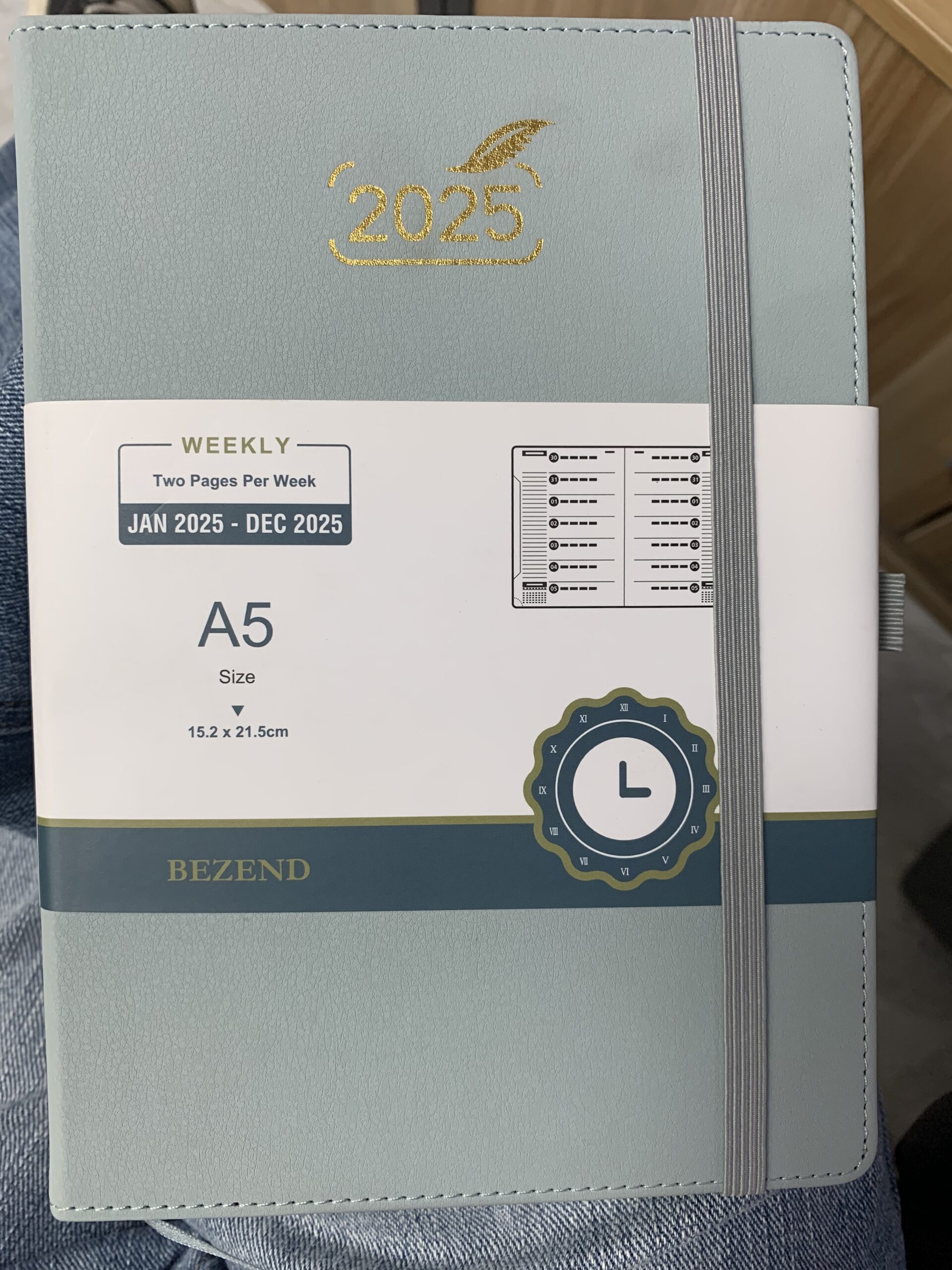
- Daily commuting with constant notebook carry: Select slim A5 versions with elastic bands and storage pockets, sturdy and scratch-resistant.
V. Frequently Asked Questions
Q1: Where should new planners start?
First fill in all key semester dates and write down core semester goals, then break them down into weekly and daily targets. Use different colors to distinguish subjects and develop a daily routine of reviewing your planner.
Q2: Can paper planners and digital planning tools be used together?
Absolutely. Use paper notebooks to log classes, long-term goals and handwritten reviews for better memory retention; set pop-up reminders for exams and assignments via apps, and sync group projects online. Combining both delivers maximum efficiency.
Q3: Weekly planner vs daily planner — which to pick?
Opt for daily planners if you have heavy daily workloads and frequent exam practice. Weekly planners suffice if you only need a broad overview of the semester with fewer tasks.
Q4: What essential features should a qualified academic planner have?
Clear daily/weekly/monthly layouts, generous blank writing space, goal and tracking sections, durable covers and ink-proof paper. Storage pockets, bookmarks and index tabs are valuable bonus features.
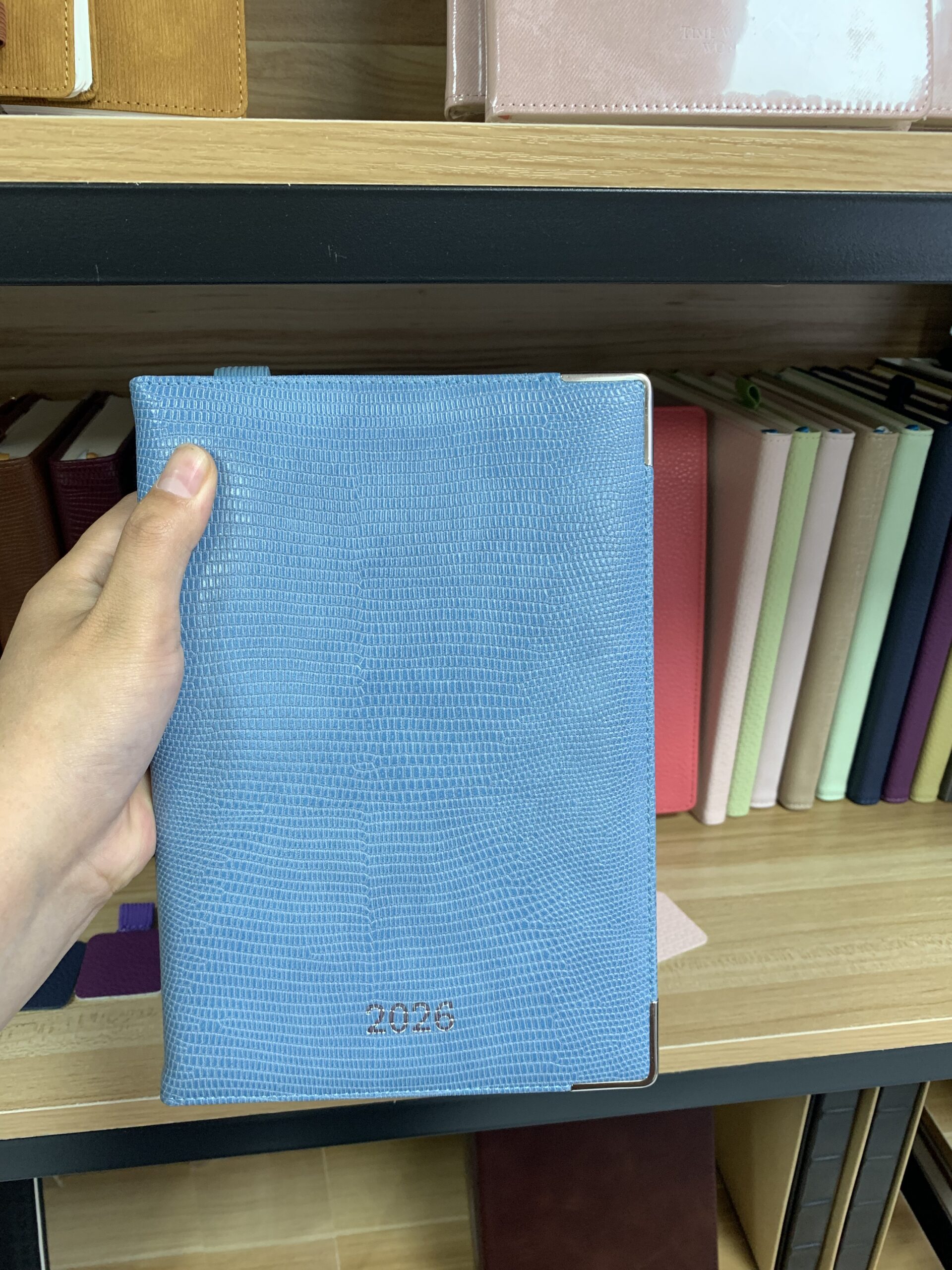
Conclusion
This student-centric essential planner helps beat procrastination and mental exhaustion, striking a healthy balance between academics, club activities and spare time. We offer a rich range of styles with stable craftsmanship, suitable for stationery stores, campus distributors and cross-border wholesalers. It is a high-repeat-demand staple product.