Book Categories:
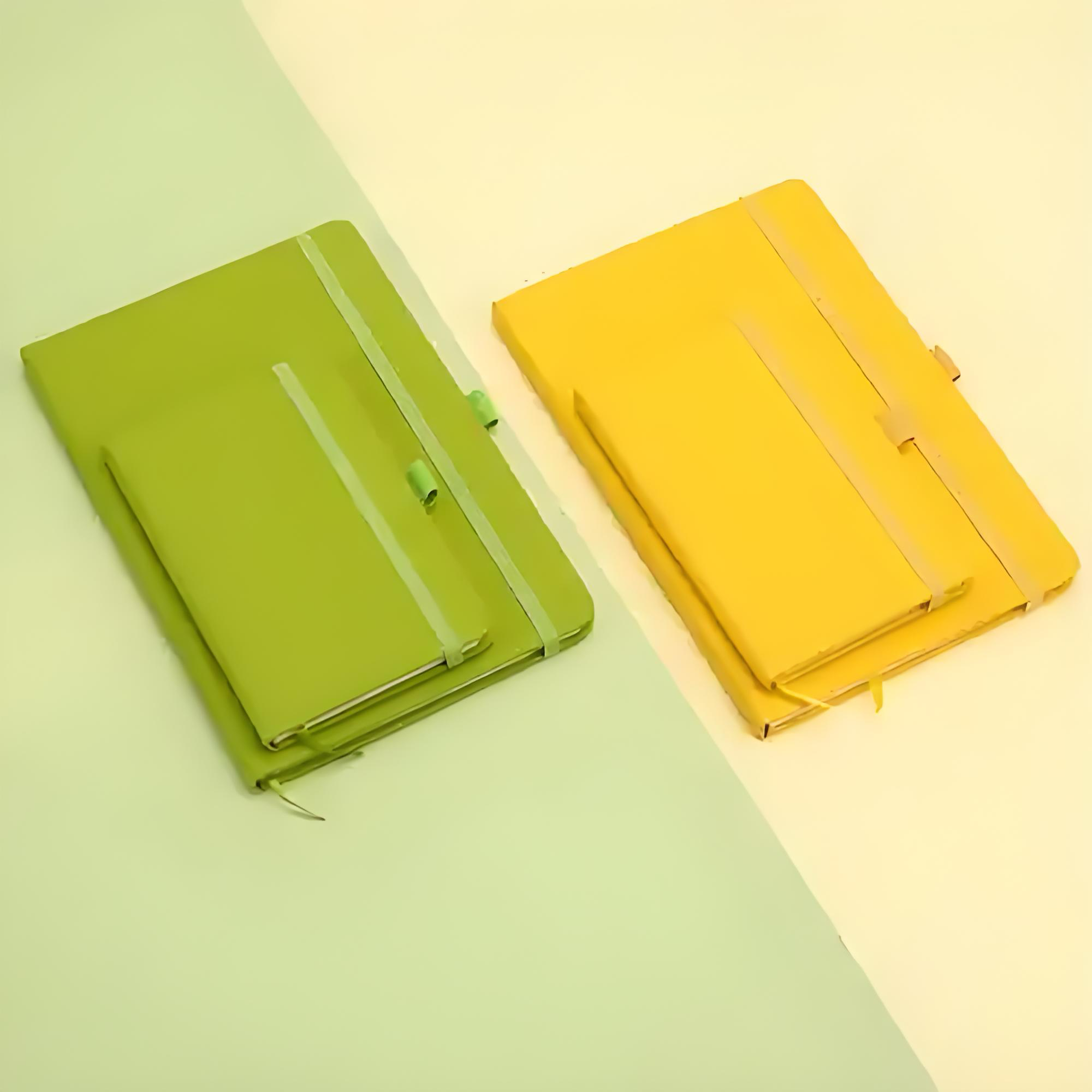

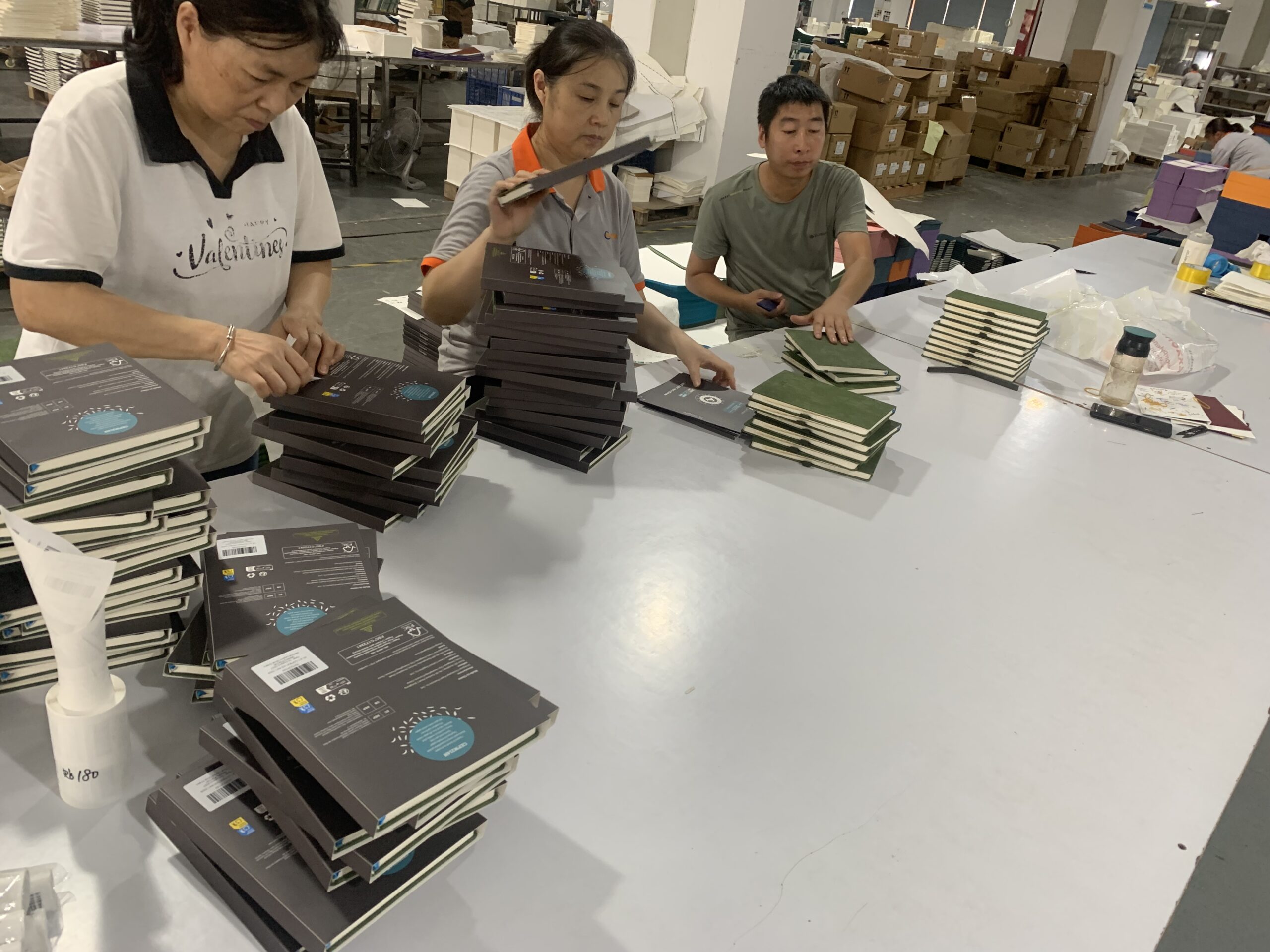
Final inspection serves as the last quality checkpoint for paper notebooks before delivery. It is also a vital procedure to stabilize batch quality, reduce after-sales risks and safeguard brand reputation at the retail end.
I. Core Value of Final Inspection
Notebooks are daily essential stationery products. Visual details, writing performance and binding durability directly affect user experience. Every procedure including printing, die-cutting, binding, lamination and hot stamping may produce minor defects during manufacturing. Therefore, final inspection acts as a key procedure to identify and segregate defective goods prior to packing and shipment.
Standardized final inspection comprehensively evaluates paper texture, printing precision, binding structure, edge finishing and flatness. It minimizes subtle differences within batches, ensures consistent quality across orders, prevents defective items from being dispatched and lowers return rates and customer complaints.
II. Importance of Final Inspection
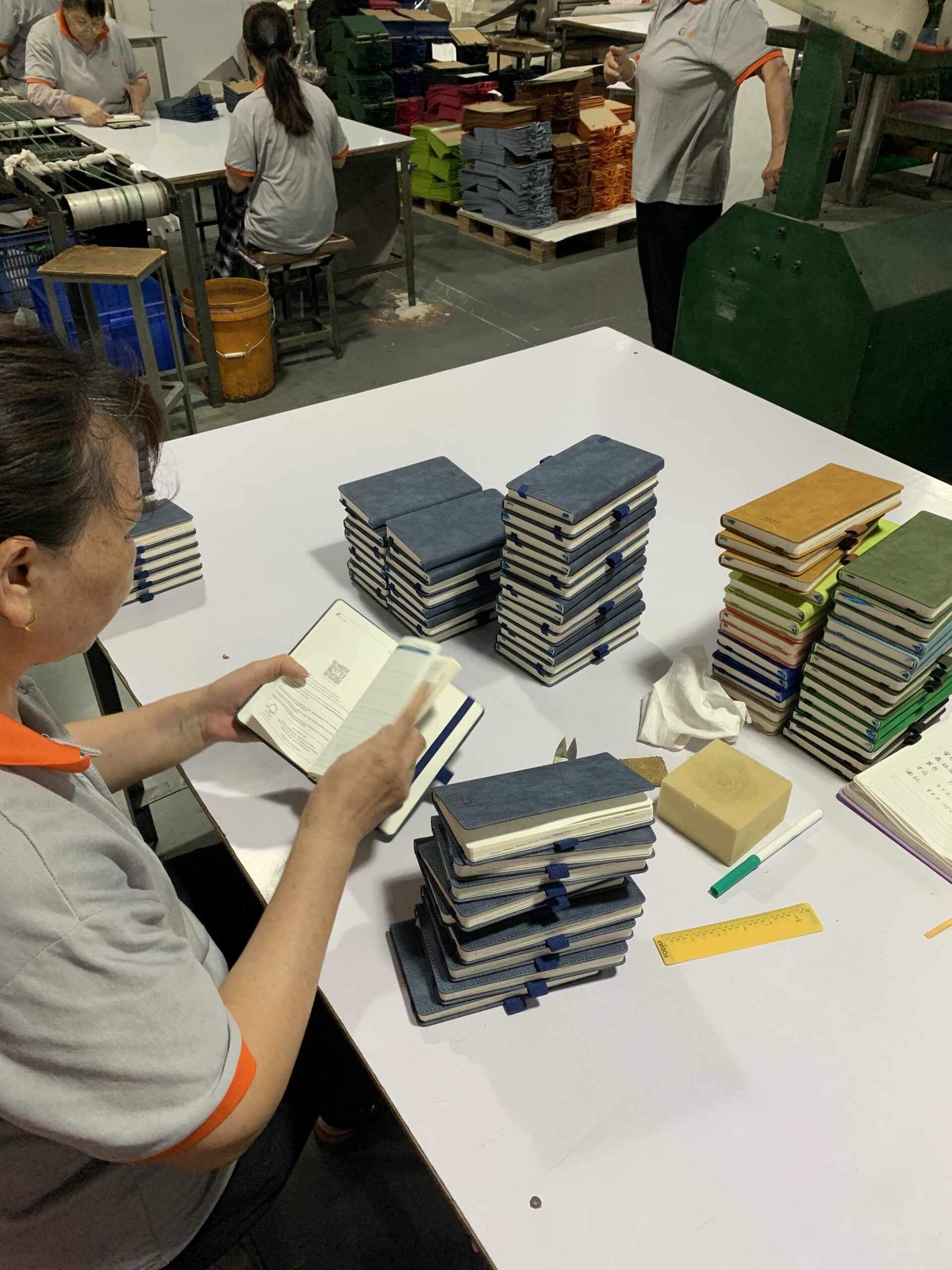
Final inspection is not random sampling at a single stage, but a multi-level checking system running through mid-to-late production. It mainly covers two phases: semi-finished goods at 30%–50% production completion, and finished goods at 80% completion before packing. Dual inspection eliminates potential oversights.
The complete inspection system includes five core checking items:
- Paper Quality CheckVerify clean and flat paper free of stains, scratches, rough edges and moisture deformation. Prevent ink bleeding, show-through, rough surfaces and discoloration to deliver smooth writing performance compatible with all kinds of stationery.
- Binding Durability CheckFor different binding methods such as perfect binding, section sewing and saddle stitching, inspect spine tightness and page alignment. Avoid loose pages, glue separation and crooked sheets to ensure long-term durability with frequent use.
- Printing & Color Accuracy CheckCheck cover patterns, text, logos and color consistency notebook by notebook. Eliminate printing errors including misregistration, ghosting, missing print, uneven color and spot blemishes to guarantee uniform tone and sharp graphics within each batch.
- Appearance Finishing CheckEnsure neatly rounded corners, clean trimmed edges, bubble-free & wrinkle-free lamination and surface free of indentations for a refined overall look.
- Batch Consistency CheckCompare dimensions, colors and craftsmanship among items in the same batch to avoid excessive individual discrepancies and inconsistent finished goods, realizing standardized shipment.
III. How to Prevent Common Notebook Production Defects
Most after-sales issues arise from binding and post-production finishing. Strict final inspection effectively catches frequent defects.
- Prevent Paper DefectsCommon paper issues during manufacturing include wrinkles, misaligned cutting, stains, minor tears and disordered page numbers. Inspectors examine each page to confirm tidy inner pages and proper layout, stopping defective paper from entering finished products.
- Eliminate Binding FailuresLoose binding, offset pages and weak spines are top complaints, which may cause page separation and spine cracking after repeated flipping. Multiple bending tests during inspection confirm sturdy binding suitable for long-term use.
- Unify Printing & Visual StandardEven with identical paper and ink, mass production may lead to color deviation, blurry graphics and missing print. Detailed verification of cover and inner page printing corrects color errors and ensures consistent attractive appearance for every notebook.
IV. Final Inspection Procedures in Production
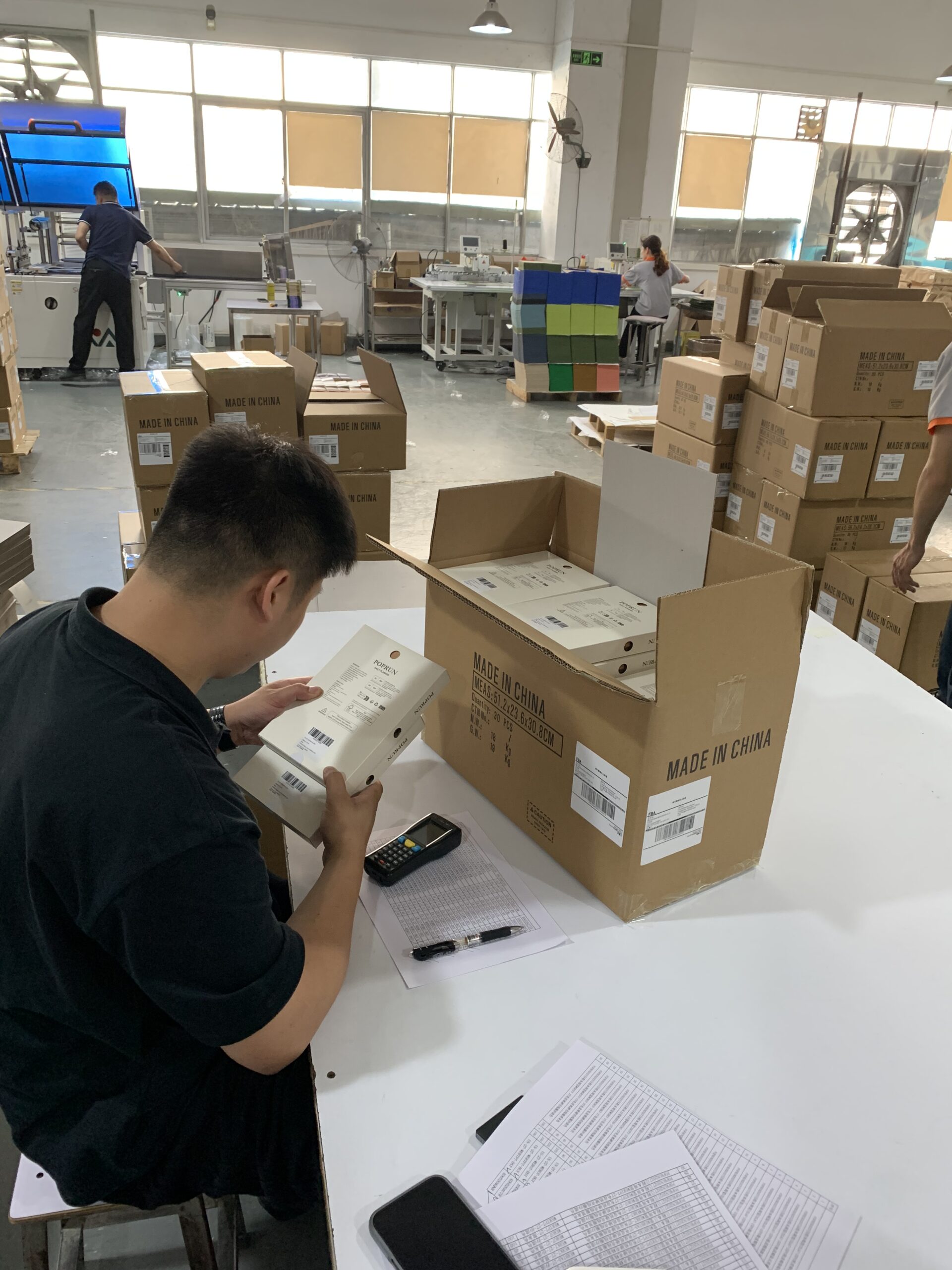
Professional paper product manufacturers adopt a two-phase inspection model combining semi-finished screening and finished goods final check for dual quality control.
- Phase 1: Semi-finished Sampling Inspection (30%–50% production completion)After binding and inner page assembly, inspectors immediately verify page alignment, page sequence and basic binding strength. Mass production defects such as binding deviation and layout mistakes can be detected early, allowing machine parameter adjustment to avoid large volumes of rejects.
- Phase 2: Full Finished Goods Inspection (80% production completion, before packing)When all craftsmanship is finished and prior to packaging, comprehensive detailed inspection is carried out to verify batch color consistency, intact appearance, workmanship and label information. Scratches, indentations, color shifts and flaws generated in production will be identified. All non-conforming products will be marked, separated and reworked to meet shipment standards.
V. Advantages of Standardized Final Inspection
- Remarkably Improve End-customer SatisfactionAll visual, functional and workmanship defects are intercepted in advance. Customers receive flat, attractive and durable notebooks with stable writing experience, greatly enhancing user satisfaction.
- Cut Return & After-sales CostsProduct defects are the leading cause of returns, negative feedback and customer complaints. Comprehensive final inspection greatly reduces defective shipments, helping brands and trading companies avoid compensation, repeated logistics and reputation damage.
- Strengthen Brand Reputation & Market CompetitivenessThe stationery industry faces severe homogenization. Stable consistent quality is the foundation of sustainable competitiveness. Uniform high-standard finished product quality builds customer trust and boosts repeat orders and referrals.
Conclusion
The competitive strength of paper notebooks lies not only in outstanding individual craftsmanship, but also in stable batch output, controllable details and zero-defect delivery. As the final critical barrier in production, final inspection implements multi-level examination and defect interception to ensure qualified paper, printing, binding and appearance. It maintains high quality standards for every shipment, and offers solid support for stable supply, brand image building and long-term business growth.
Frequently Asked Questions
Q1: What items are covered during notebook final inspection?
Final inspection is an all-round quality verification before shipment. It mainly covers six dimensions: paper quality, inner page layout, printing color, binding durability, appearance finishing and batch consistency, ensuring flawless products meeting specifications.
Q2: Why is final inspection an indispensable production procedure?
Minor craftsmanship deviations frequently occur in mass production. Final inspection collects and eliminates defects, maintains consistent finished quality, reduces after-sales troubles and protects consumer experience and brand credibility.
Q3: What common defects are targeted in inspection?
Key checked issues include paper stains, ink bleeding & deformation, wrong page sequence, loose binding & page detachment, printing color shift & ghosting, cover flaws, rough cutting edges and surface abrasion.