Book Categories:

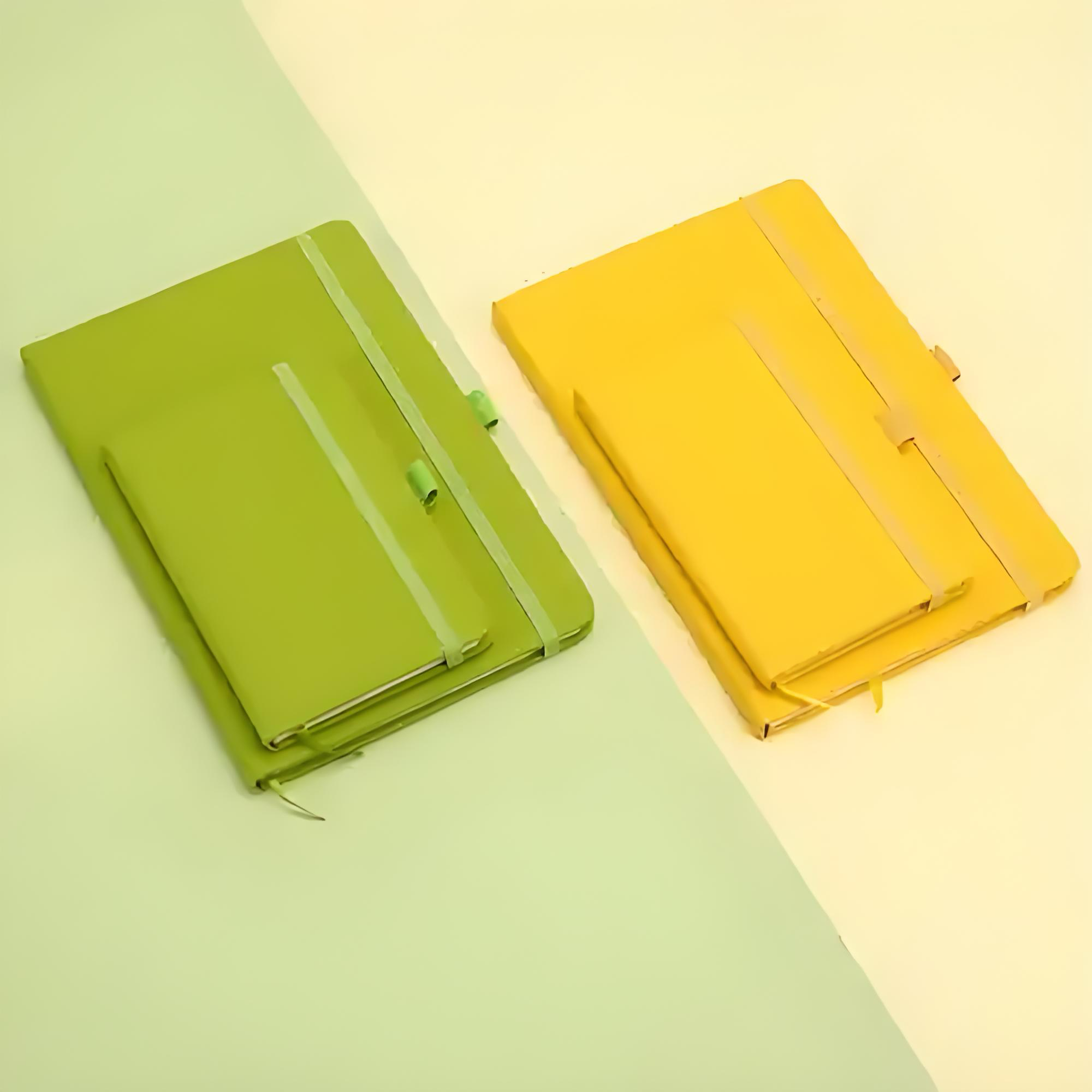

I. Overview of the 2026 School Stationery Market
- Sustained demand from the education sector supports steady repeat purchases of school stationery. Industry forecasts from multiple institutions indicate that the global stationery market will reach USD 173.93 billion in 2026 and is projected to grow to USD 268.08 billion by 2034. Separate statistical reports estimate the market size at USD 112.15 billion in 2023, expected to rise to USD 151.96 billion by 2030. Variations in figures stem from different statistical scopes, yet the long-term growth trajectory is unanimously confirmed.
- In terms of demand structure, education remains the largest application segment for stationery. Market research data from 2023 shows consumption from educational institutions and students contributes the largest revenue share to the industry, making the school market an indispensable fundamental base.
- Consumers’ purchasing habits keep evolving. Research released by the National Retail Federation (NRF) in July 2025 reveals that 67% of back-to-school shoppers start purchasing supplies as early as early July, with online channels ranking as the top shopping option at 55%. Consumers generally adopt value-first purchasing strategies: actively seeking promotions, moderately cutting non-essential spending and extending decision-making windows. Meanwhile, teenagers’ preferences significantly influence families’ final buying decisions.
II. Key Market Data Summary
Global market growth: USD 173.93 billion (2026) → USD 268.08 billion (2034)
Core demand segment: Education accounts for the largest revenue share of the stationery market
Shopping timeline: 67% of consumers begin back-to-school shopping in early July
Student spending budget: Average total back-to-school spending per child reaches USD 858.07; USD 143.77 allocated exclusively to school supplies
Dominant consumer mindset: Prioritize cost-effectiveness while valuing children’s product preferences
III. Six Core Trends for School Stationery in 2026
Trend 1: Combination of Functionality & Playful Experience
Basic practicality is the minimum requirement, yet modern students expect more than merely functional stationery. Interactive clickable stationery, erasable writing tools and items with creative detailing gain greater popularity. Playful elements ease the monotony of studying and help students maintain focus.
Products delivering dual merits perform better in the market: they satisfy parents’ demand for durability and practicality, match young users’ aesthetic tastes, and do not bring substantial production cost hikes. Even with tight household budgets, distinctive bestsellers can drive additional purchases, as children hold strong sway over buying choices.
Trend 2: Rising Demand for Personalization
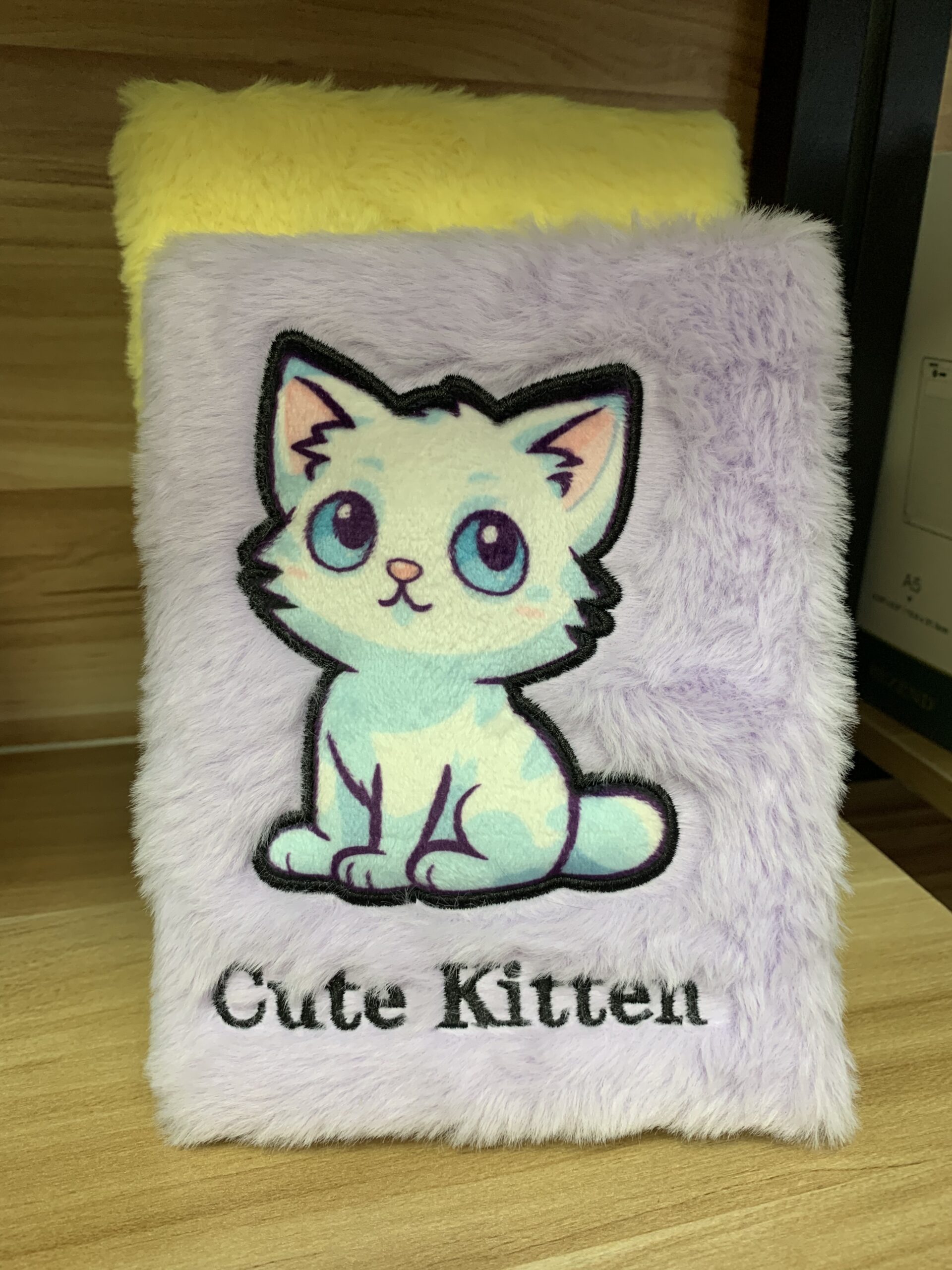
Uniform school uniforms reduce visual differentiation among students, turning stationery into the primary medium for self-expression. In 2026, personalization shifts away from costly deep customization toward lightweight mix-and-match options. A sense of ownership builds emotional attachment, encouraging students to take better care of their belongings and lowering loss rates. Amid homogenized back-to-school merchandise, personalized design serves as an effective differentiator for brands to stand out.
Trend 3: Soft & Minimalist Aesthetics
Overcrowded cartoon prints are gradually falling out of favor, replaced by low-saturation, minimalist artwork as the new benchmark for school stationery. Soft macaron tones, simple line illustrations and balanced color palettes are well-received. Calm, streamlined visuals reduce overstimulation and digital eye strain from screens, aligning with parents’ wish to help children concentrate.
Furthermore, minimalist designs display better in online thumbnails. Since 55% of purchases originate online at present, visual appeal directly impacts conversion performance.
Trend 4: Smart Storage Solutions
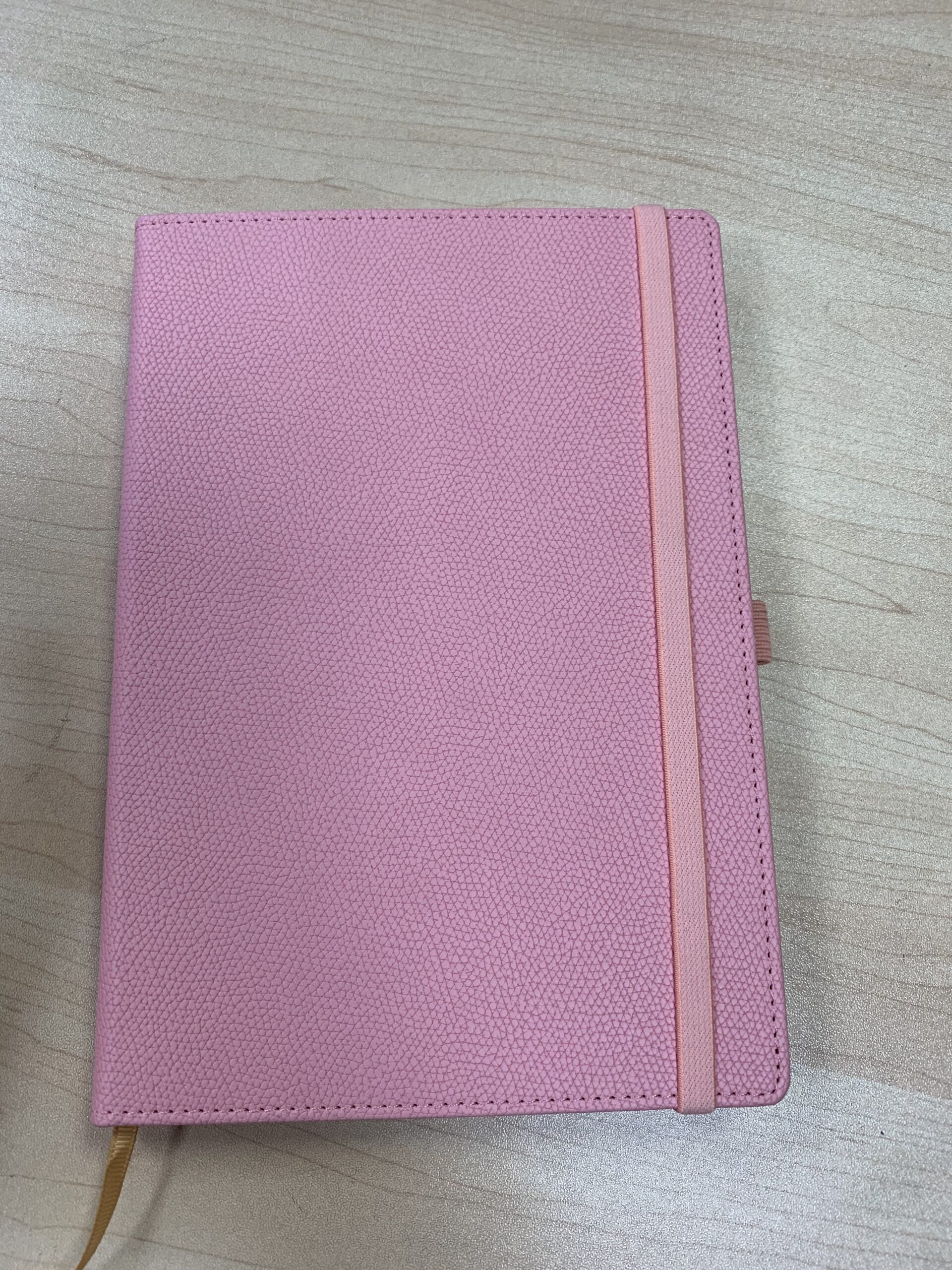
Consumers are increasingly aware that quantity does not equal quality for stationery; organized storage and tidy arrangement carry greater importance. Multi-compartment pencil cases, modular sets and compact portable storage poulets see growing demand. Systematic storage gives students a sense of control and saves parents the trouble of rummaging through schoolbags for misplaced items.
Today’s consumers act rationally and prioritize essential goods. Storage products that reduce loss and wear-and-tear resonate more easily with buyers.
Trend 5: Practical Sustainability, Empty Environmental Slogans Rejected
New-generation consumers embrace eco-friendly values but resist preachy, overhyped green marketing. The market favors sustainable stationery that balances durability and functionality. Refillable writing instruments, robust storage bags and long-lasting reusable supplies see stronger demand. Beyond environmental benefits, sustainable products cut frequent replacement costs, matching the pursuit of cost efficiency.
Meanwhile, overseas markets are tightening regulations on environmental marketing. Vague claims such as “eco-friendly” carry high compliance risks, and buyers increasingly demand verifiable third-party certifications.
Trend 6: Stationery Boosts Learning Confidence
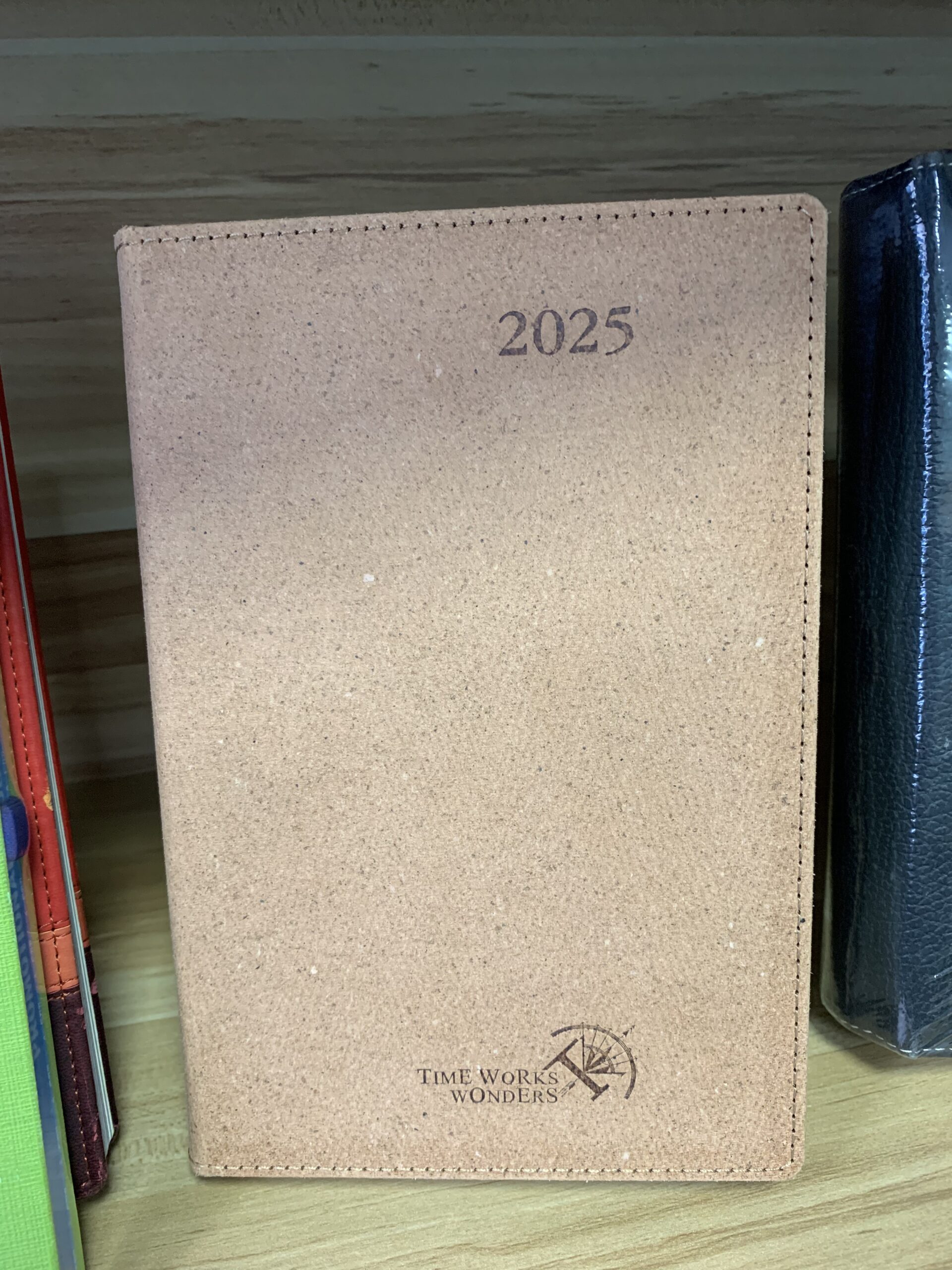
Stationery is more than writing tools; it acts as a medium for students to express themselves and build a positive learning attitude. A set of preferred stationery can boost classroom participation and foster conscientious study habits. A growing number of buyers recognize the positive impact stationery exerts on students’ learning mood.
Product Development Directions: Neatly formatted handwriting exercise books; student planners featuring daily goal trackers, achievement logs and reflection sections; guided emotional journals suitable for middle and high school students.
IV. Sourcing & Product Strategy for Merchants
Successful product lines in 2026 widely adopt the model of evergreen core items + rapidly updated new releases, capturing trending demands while mitigating excess inventory risks.
Actionable product planning framework:
- Develop a core evergreen lineup consisting of 10–20 year-round steady-selling SKUs, including standard-size notebooks, folders and basic storage pouches complying with international ISO A-series paper sizes.
- Launch two seasonal collections annually: a back-to-school peak series and a mid-year light refresh series, mainly updated through new colorways and minimalist thematic designs.
- Establish tiered pricing: entry-level base versions, mid-range upgraded versions with improved materials & workmanship, and premium bundled sets, forming a “Standard – Enhanced – Premium” product ladder.
- Prepare compliance certifications in advance, including FSC, GRS and textile safety documents; ensure all marketing statements comply with regional advertising regulations.
- Strengthen quality control standards; prioritize manufacturers holding ISO9001, ISO14001 and social audit qualifications.
V. Conclusion
Winners in the 2026 school stationery sector will deliver products balancing cost performance and refined aesthetics, backed by authentic certifications and reliable craftsmanship to fulfill marketing promises. The industry maintains solid long-term growth prospects. Consumers advance their shopping timeline, exercise stricter budget control, yet continue to value teenagers’ product preferences. Enterprises can effectively lift customer reorder rates and lower operational risks by maintaining stable core ranges, rolling out seasonal new releases systematically and implementing compliant marketing.
Frequently Asked Questions
Q1: What is the core trend for school stationery in 2026?
The core theme is striking a balance between value and design. Families shop cautiously and prioritize necessities, while students still seek distinctive, personalized stationery. Products must combine practicality and attractive appearance.
Q2: Is investment in lightweight personalization worthwhile for stationery?
It delivers strong commercial value. Currently, a large share of purchases happens online with consumers readily comparing prices, resulting in severe product homogenization. Lightweight personalization creates differentiation at low cost and provides clear reasons for customers to choose your goods.
Q3: What key certifications should be prepared for overseas markets?
Prioritize FSC certification for paper goods; GRS for recycled plastic and fabric storage bags; OEKO-TEX textile safety certification for fabric stationery. For supply chain management, verify factories hold ISO9001 and ISO14001 system certificates.