Book Categories:

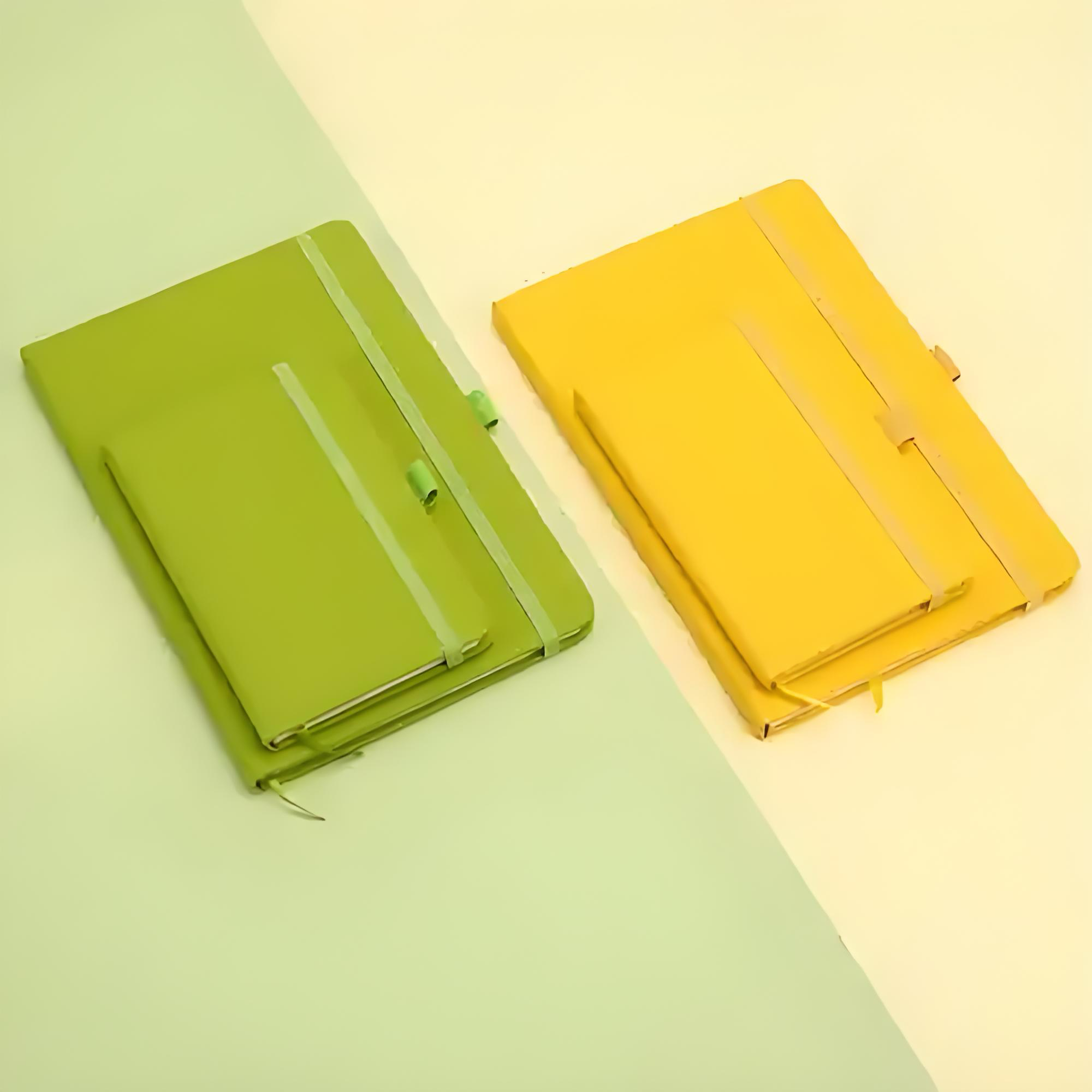

During notebook manufacturing, a “first article sample” refers to the complete finished product rolled off the first production line once mass production kicks off. It differs from ordinary confirmation samples and serves as the unified quality benchmark for the entire batch of goods.
For brand operators, corporate bulk procurement managers and supply chain administrators, first article confirmation is far more than a routine formality — it is a core link for advance risk control.
Core Functions
- Verify full consistency between physical products and original design plans to eliminate deviations during design implementation.
- Preempt widespread issues in craftsmanship, dimensions and printing that may arise in mass production.
- Address all defects and revision requests at the sample stage, rather than reworking thousands of finished notebooks after full production.
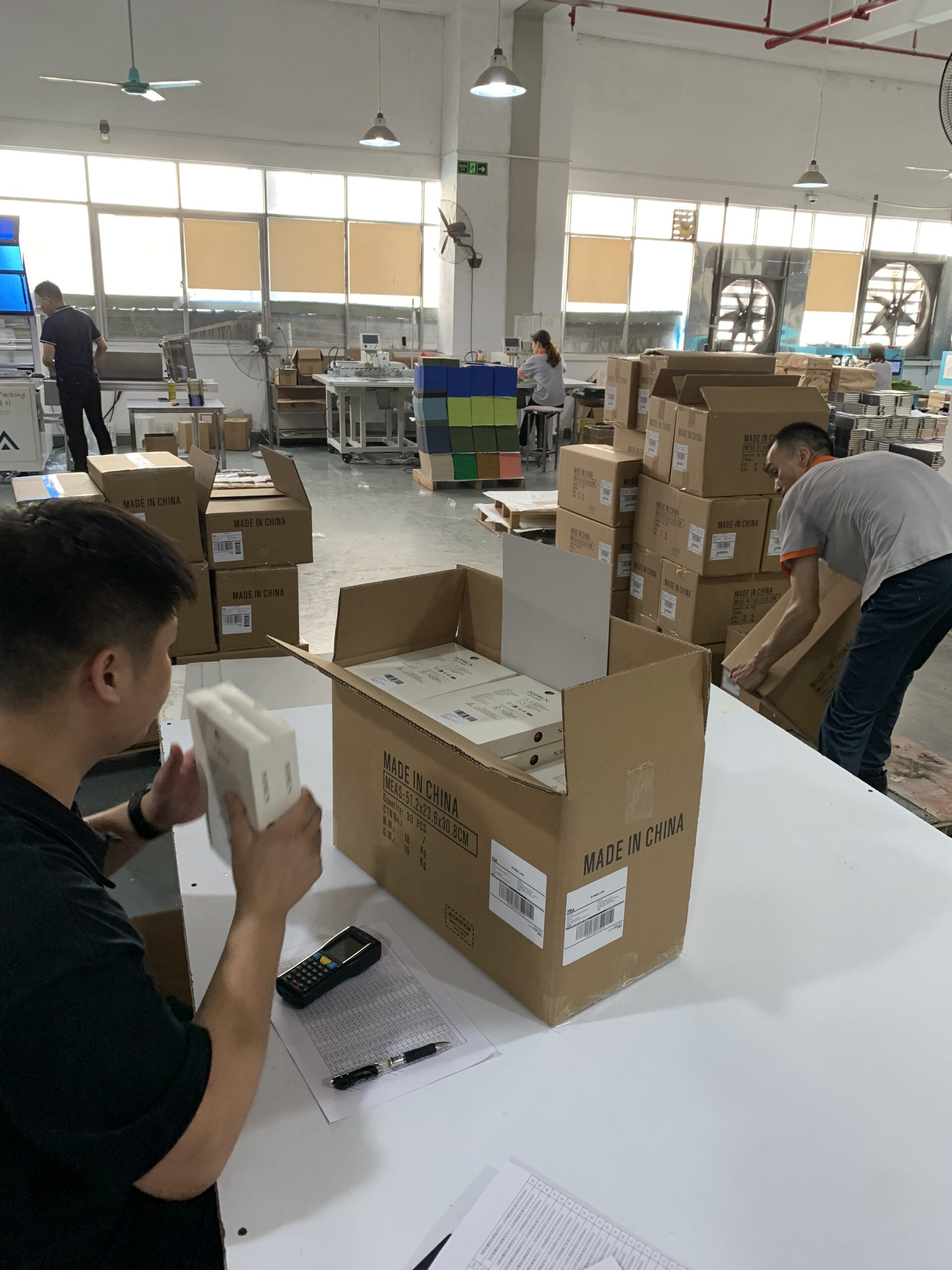
I. Three-Stage Sampling Process
Stage 1: Blank Sample (Structural Blank Template)
Blank samples contain no printed graphics or text. They are made of blank paper with matching thickness and stiffness, solely for verifying the physical structure of products. Key inspection items include: finished length and width, total inner pages and page order, binding techniques (thread-bound hardcover, perfect binding, coil binding, etc.), page flipping smoothness, overall thickness and opening/closing feel.
Standard workflow: After both parties finalize product specifications, blank samples will be produced and sent to the customer within 5–7 working days. Only after the customer confirms the structure is error-free can the process move to the color sample stage.
The core value of this stage lies in identifying structural flaws in dimensions, binding and page counts in advance, preventing irreversible problems after printing is completed.
Stage 2: Color Sample (Full Printed Finished Template)
Color samples are produced using the final approved design files for the order, with identical paper raw materials as mass goods. They fully replicate all surface treatments, including full printing effects on covers and inner pages, hot stamping, lamination, embossing and debossing, and other special finishes.
Full workflow: The customer submits structural adjustment feedback on blank samples, and the design team revises graphic and text files accordingly. Once all-process color samples are finished, they will be sent to the customer for review. Confirmation of color samples means the product’s appearance, color matching and printing craftsmanship are fully finalized, with no large-scale revisions to follow.
Stage 3: First Article Sample for Mass Production (Official Production Benchmark Sample)
After the formal launch of mass production, workers will take the first batch of finished products off the front end of the production line — these are known in the industry as first article samples. Such samples feature three key attributes: they adopt raw materials identical to bulk orders, are manufactured on the same production equipment with standard mass-production processes, and act as the unified benchmark for all subsequent finished goods.
Upon receiving the first article sample, the customer conducts final inspection. If any deviations in color, binding or craftsmanship are found, the factory will immediately halt the production line for adjustments. Mass production of the full order will only resume once all items pass inspection. This is the final quality safeguard before bulk shipment, locking in uniform standards for all finished notebooks.
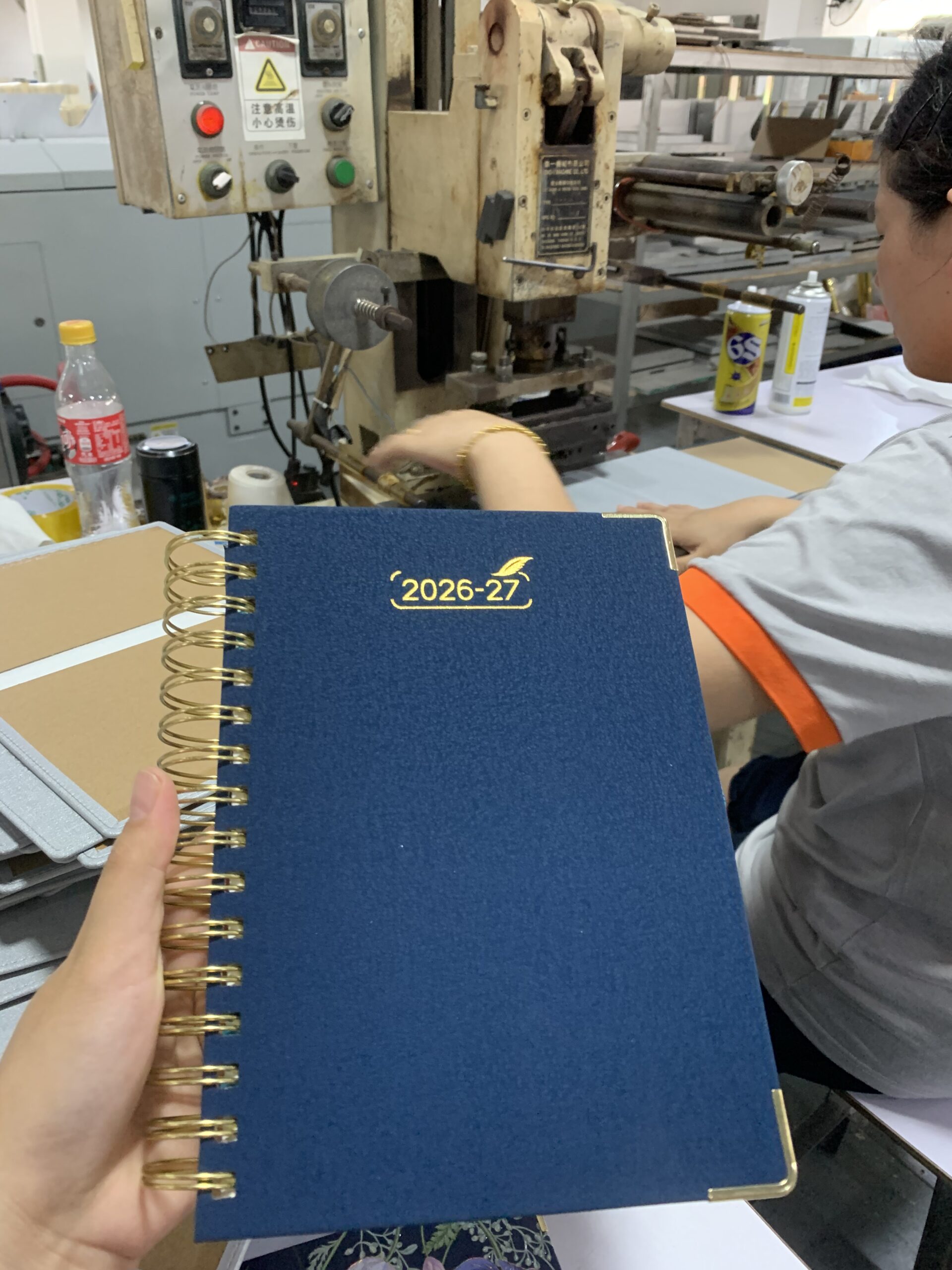
II. Standardized First Article Inspection & Control System
To ensure substantive rather than perfunctory first article inspections, standardized production is supported by a transparent, traceable management mechanism:
- Multi-level internal sign-off: Every first article sample requires dual confirmation via signatures from the quality inspection team and internal craft review panel; cross-verification minimizes oversights.
- Problem tracing and filing system: All dimensional, color and craftsmanship deviations found on samples are fully documented to trace root causes. Production specifications are updated synchronously to avoid recurring identical issues in subsequent orders.
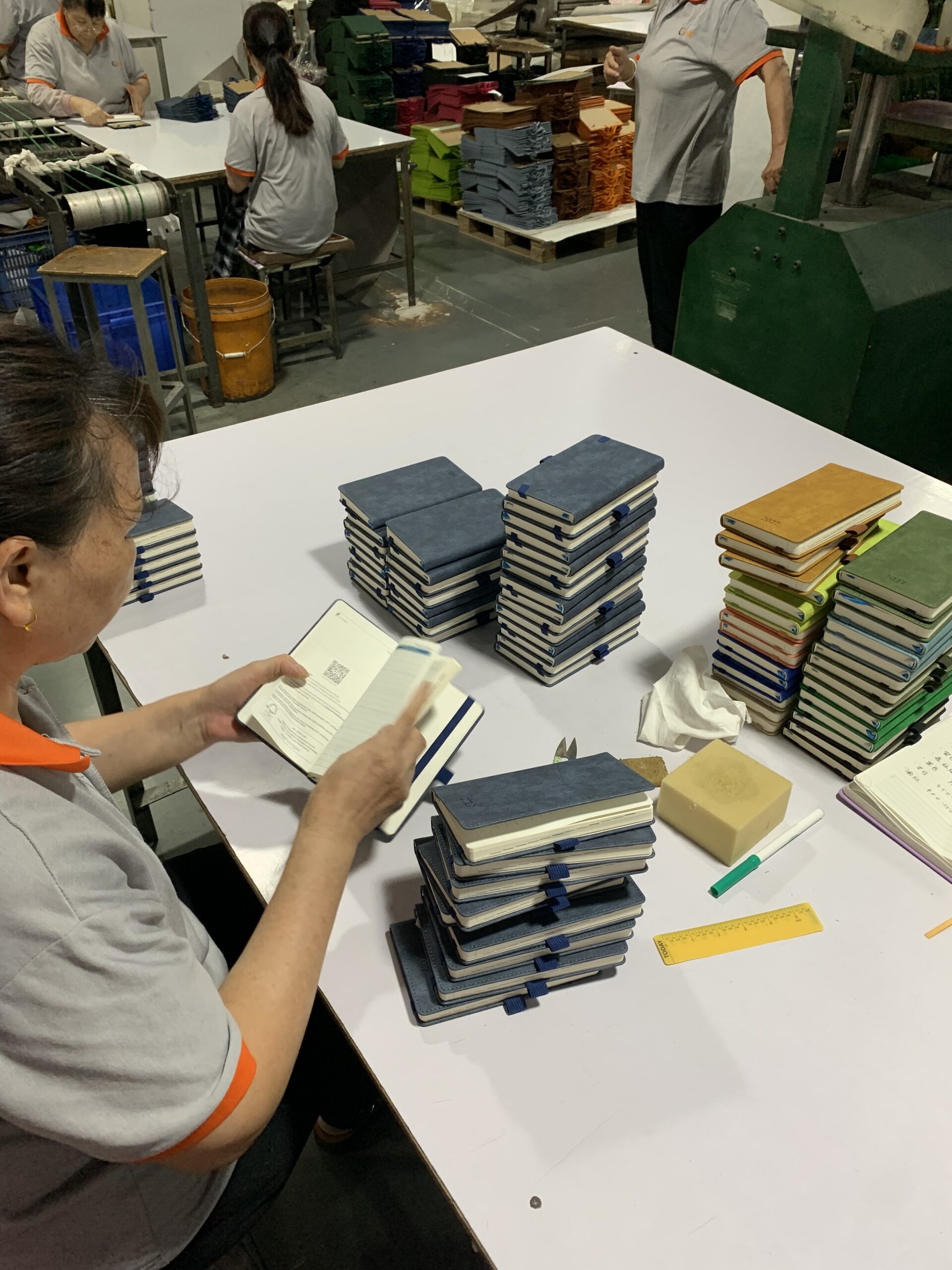
III. Core Value of the First Article Sample System for B2B Buyers
- Sharply cut rework and return costs: All issues are resolved at the sample stage, avoiding losses from scrapping large batches of finished goods.
- Stabilize project delivery timelines: Design and craft problems are corrected in advance, preventing schedule delays caused by repeated revisions mid-production.
- Full traceable documentation: Complete retention of samples and inspection records meets brand quality control standards and corporate compliance audit requirements.
- Advance control of material losses: The earlier problems are detected, the lower the material and labor costs incurred by revisions.
IV. Comprehensive First Article Inspection System Supports Long-Term Stable Cooperation
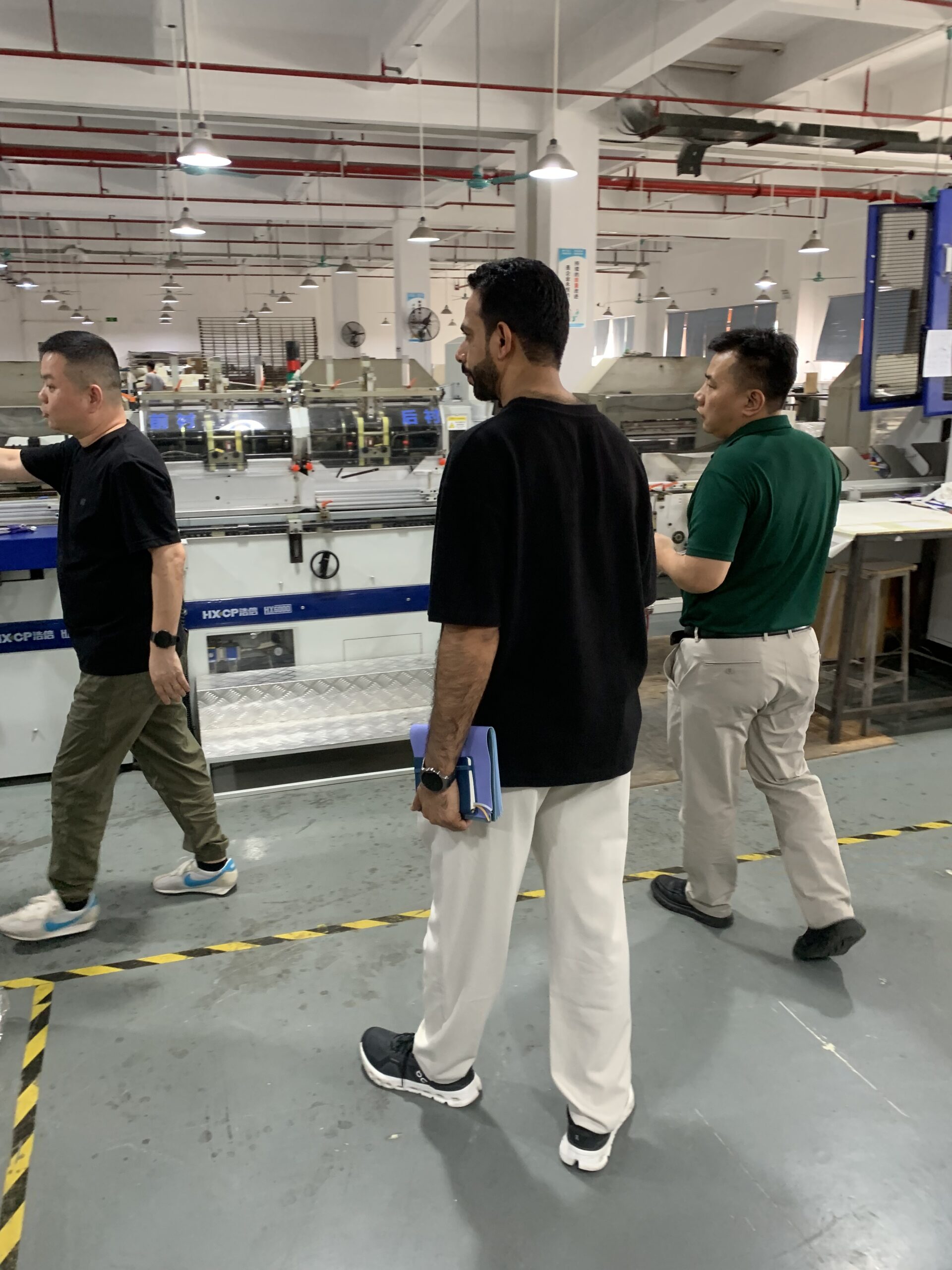
For long-distance, cross-regional custom bulk cooperation, stable and controllable quality control procedures outweigh low prices alone. Even if buyers cannot station inspectors on-site, the complete three-stage confirmation workflow (blank sample → color sample → first article sample) allows clients to accurately predict the final finished effect and control product quality throughout the whole process.
Conclusion
A first article sample is never merely a simple inspection document — it represents the manufacturer’s quality delivery commitment to buyers. Once the customer signs off on the first article sample, the entire batch of goods will be strictly produced in line with this benchmark.
If you have demands for bulk custom notebooks or full product line development, you may reach out to our professional customization team. Leverage our complete sampling and first article inspection system to lock in product quality in one go and reduce losses from repeated revisions.
WhatsApp: +8613537410731
Website: https://puplanner.com
Email: fiona@puplanner.com