Book Categories:

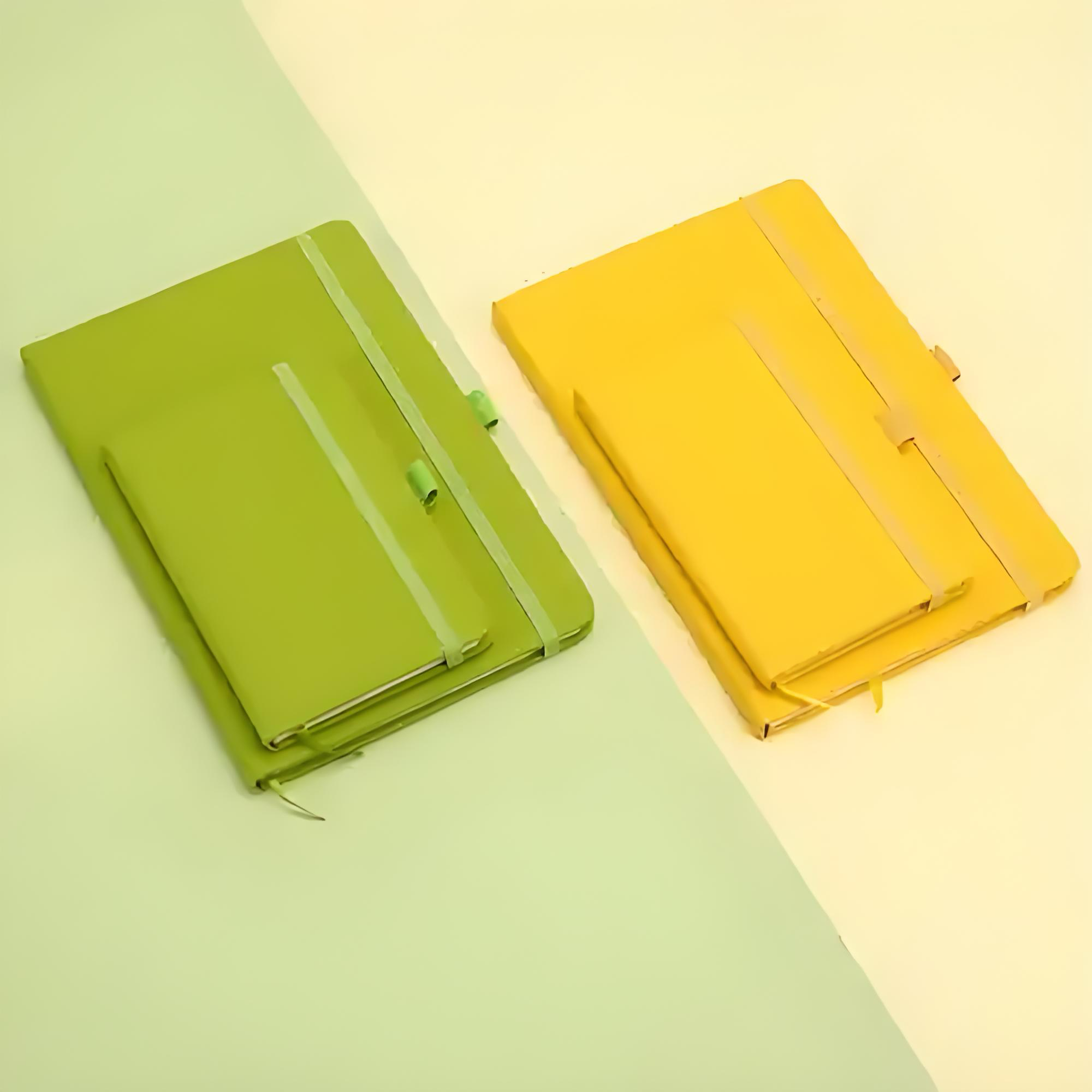

For notebook wholesale, brand customization and cultural & creative product distribution, material selection dictates the profitability of your entire product line — and cover material sits at the very core. When shoppers pick notebooks, they first touch and examine the cover; its texture directly determines pricing, repeat purchase rates and in-store shelf conversion.
I. Why Cover Material Is Critical for Hardcover Profitability
Covers are far more than outer packaging. They impact your full product line across four core dimensions: durability, brand premium, compliance thresholds and cost-profit margins.
- Daily Wear ResistanceNotebooks are carried in backpacks for daily commutes and flipped repeatedly. Long-term display in supermarkets and stationery shops also causes surface abrasion. Cover material defines how well the product retains its appearance, shaping user feedback and return rates.
- Brand Premium PotentialDifferent fabrics deliver vastly distinct styles, ranging from luxury minimalist, artistic, casual business to eco-friendly aesthetics — all conveyed through the cover. Premium materials support higher retail prices and create clear differentiation from generic low-end notebooks.
- Global Market Compliance StandardsExports to Europe, America and Southeast Asia require compliance with FSC forest certification, REACH hazardous substance regulations and California Proposition 65 environmental rules. Domestic supermarkets and corporate gift buyers also increasingly favor low-odor eco fabrics. Non-compliant materials lead to audit delays and detained shipments.
- Closed-Loop Cost & Pricing ControlRaw material unit prices, minimum order quantities, cutting waste, and compatibility with hot stamping & embossing all factor into per-unit costs. Poor material choices either squeeze profit margins or force overpricing that loses mass-market customers.
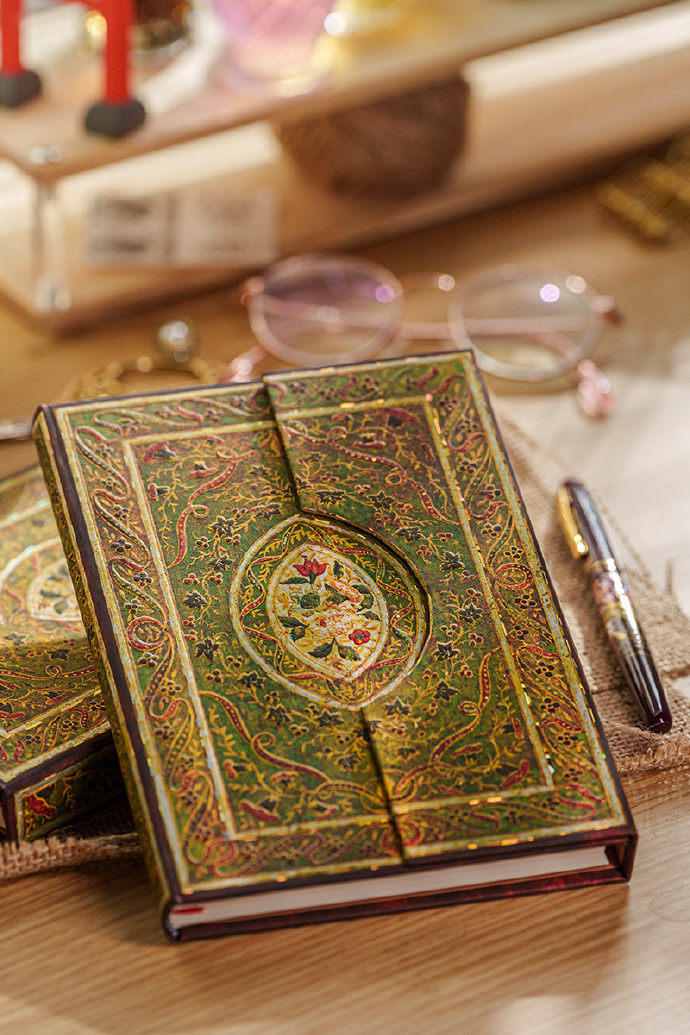
II. Analysis of Common Cover Fabrics
- Genuine Leather | Standard for High-End LinesIdeal for corporate annual gifts, limited collector’s editions and premium business gift sets. Natural leather features unique grain and develops a soft, exclusive patina over time, boasting far longer service life than alternatives.Procurement note: High raw material costs, high MOQs for solid colors and custom textures. Best suited for niche high-price-point lines, not mass-market bulk distribution.
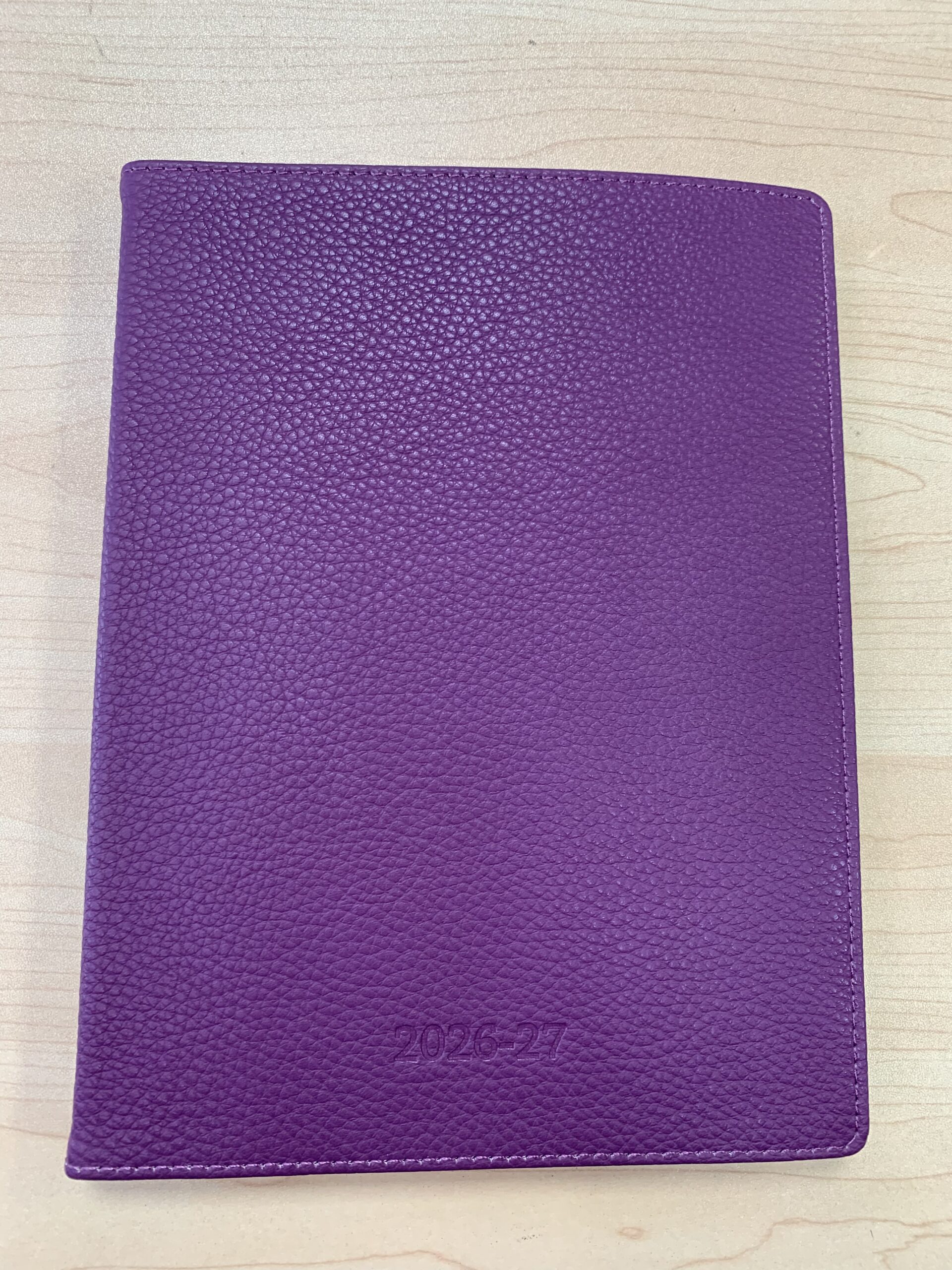
- PU & Recycled Composite Leather | Main Profit Driver for Mass MarketsThe most widely used cost-effective fabric on the market, cutting raw material costs by 40%–60% compared to genuine leather. It comes in abundant textures including lychee grain, plain grain, suede and embossed patterns, with dozens of customizable macaron color options. Multi-color PU SKUs enrich shelf displays, attract young consumers and boost cross-selling via multi-color sets.Only downside: Surface durability declines in persistently humid climates; extra lamination is recommended for southern regions.
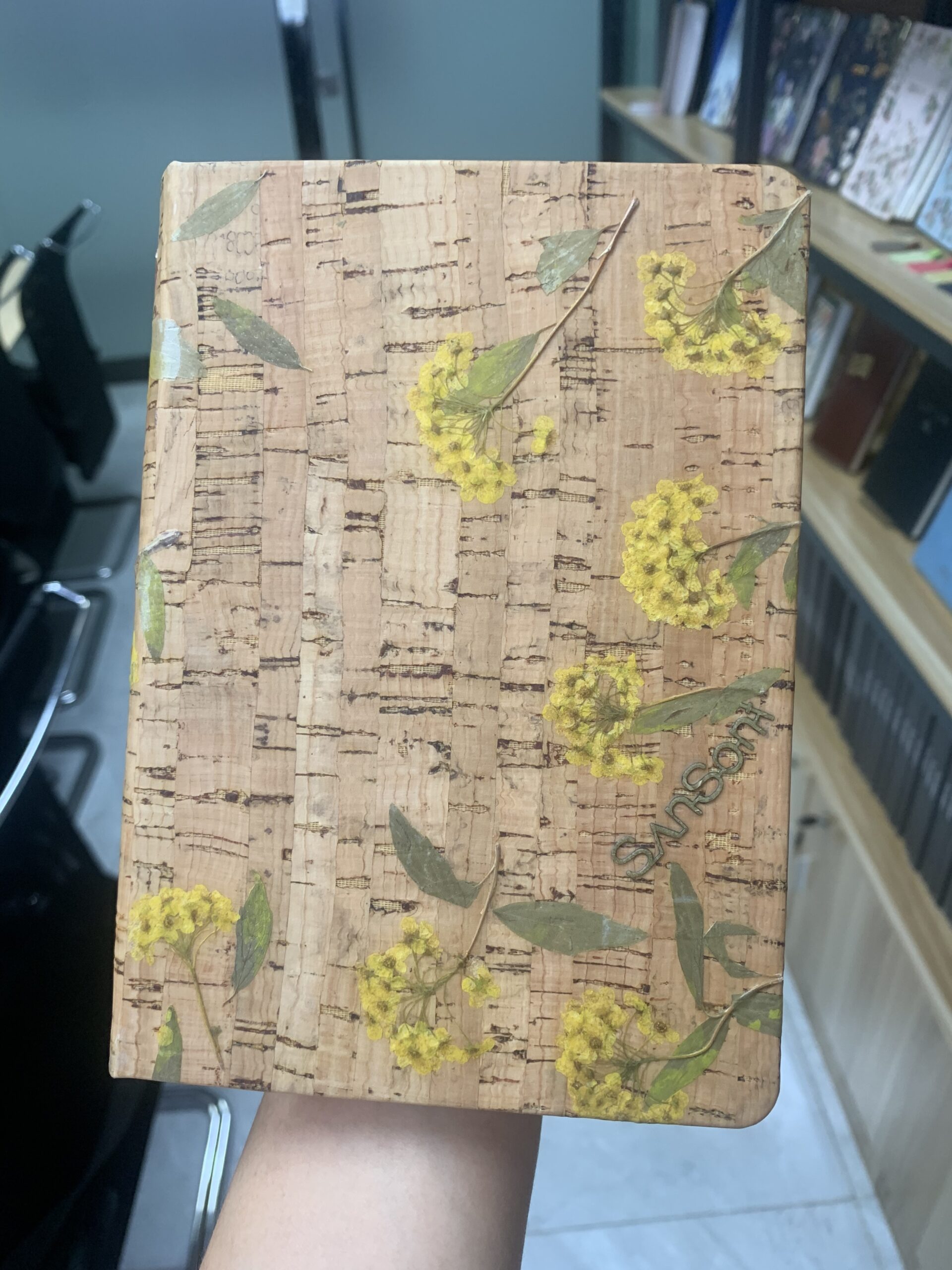
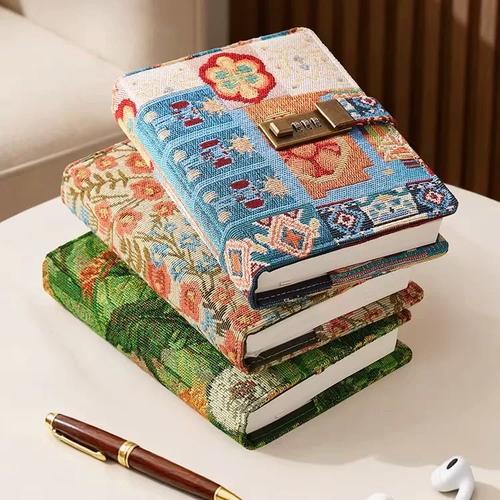
- Linen & Cotton Fabric | Differentiator for Artistic Cultural & Creative GoodsNatural textiles offer a gentle, soothing tactile and visual feel, perfect for lifestyle journals, planners and wedding memorabilia.Procurement note: Loose fabric pores easily trap dust and ink smudges. Waterproof & stain-resistant coating is mandatory for exports to Southeast Asia and rainy southern China to avoid steep surges in negative customer reviews.
- Special Felt Fabric | Niche Differentiated Hit MakerHighly visually distinctive, compatible with embroidered logos, stitched edging and 3D embossing for prominent handcrafted texture. Ideal for holiday limited runs and small-batch co-branded products.Limitation: Poor wear resistance for daily heavy commuter use; better suited for low-frequency items like gifts and collectibles.
- Cardboard Hardcover | Top Pick for Brand CustomizationDelivers superior printing performance of all fabrics, fully reproducing high-definition illustrations, gradient artwork and intricate brand logos. Paired with hot stamping, spot UV and embossing, it maximizes brand display effects.Cost reminder: Cardboard adds 30%–40% to notebook weight, significantly raising cross-border shipping fees for bulk orders. Calculate logistics costs upfront for export orders.
- PP & PVC Plastic Fabric | Affordable Functional Staples for Mass DemandWaterproof, lightweight, drop and crush resistant, favored by students and outdoor workers.Note: Tightening global environmental regulations restrict PVC use. Most brands have shifted to RPET recycled plastic and biodegradable alternatives, which better meet cross-border supermarket audit standards.
- Plant-Based Eco Fabrics | Fastest-Growing New Product TrackSustainable production has evolved from a brand bonus to a mandatory channel entry requirement. RPET recycled plastic, bamboo fiber, wheat straw fiber and FSC-certified recycled paper are seeing surging market demand, with eco stationery’s annual growth rate nearly doubling that of traditional materials over the past five years.Perfect for sustainability-focused brands, European & American exports and premium cultural & creative products. Though raw material costs rise slightly, eco credentials command higher retail premiums and attract eco-conscious buyers.
III. How to Select Notebook Cover Materials for Procurement
- Define Usage ScenariosCorporate gifting, offline retail, campus sales and outdoor journaling all require distinct fabrics.
- Durability RequirementsDaily carry & commute: Prioritize PU, genuine leather or plastic fabrics.Light desktop use & collection pieces: Linen, cotton or felt work well.
- Budget & Minimum Order QuantitiesLow retail price points: Cardboard or PP plastic.Premium gift boxes & limited editions: Genuine leather and specialty fabrics.
- Cover Craft PlanningLarge full-color printing & complex hot stamping: Choose cardboard hardcovers.Embroidery and 3D stitching: Opt for linen, cotton or felt.
- Market Compliance RulesFor exports to Europe, America and large chain supermarkets, source fabric eco-test reports in advance to meet REACH and FSC standards.
- Tactile Experience StandardsShoppers’ purchasing decisions rely heavily on texture; premium lines must prioritize fabrics with unique hand feel.
IV. Standardized Material Selection Workflow
- Confirm product pricing, target audience and sales channels to lock overall market positioning.
- Shortlist 2–3 compatible fabric types aligned with your positioning.
- Request full physical color charts and fabric swatches from your supply chain partner.
- Compare fabrics by wear resistance, print performance and craft compatibility.
- Calculate per-unit raw material costs, minimum order volumes and extra logistics expenses to assess profit potential.
- Obtain fabric eco-certificates to verify compliance with your target sales regions.
- Produce physical cover samples to validate texture and craftsmanship before placing mass production orders.
Conclusion
Selecting hardcover notebook covers is far more than a visual design decision — it forms a complete profit-building product strategy. Genuine leather dominates high-end gift markets, linen & cotton create artistic differentiation, cardboard excels at brand customization, and plant-based eco fabrics capture the rising sustainable consumption trend.
Matching cover materials precisely to your channels, budget and market demands controls production costs while lifting retail pricing power and shelf competitiveness — the foundational key to consistent long-term profitability for your product line.
If you are developing new product ranges, we can craft custom fabric matching schemes tailored to your price range, target channels and eco requirements, balancing texture, cost and market fit.
WhatsApp: +8613537410731
Website: https://puplanner.com
Email: fiona@puplanner.com