Book Categories:

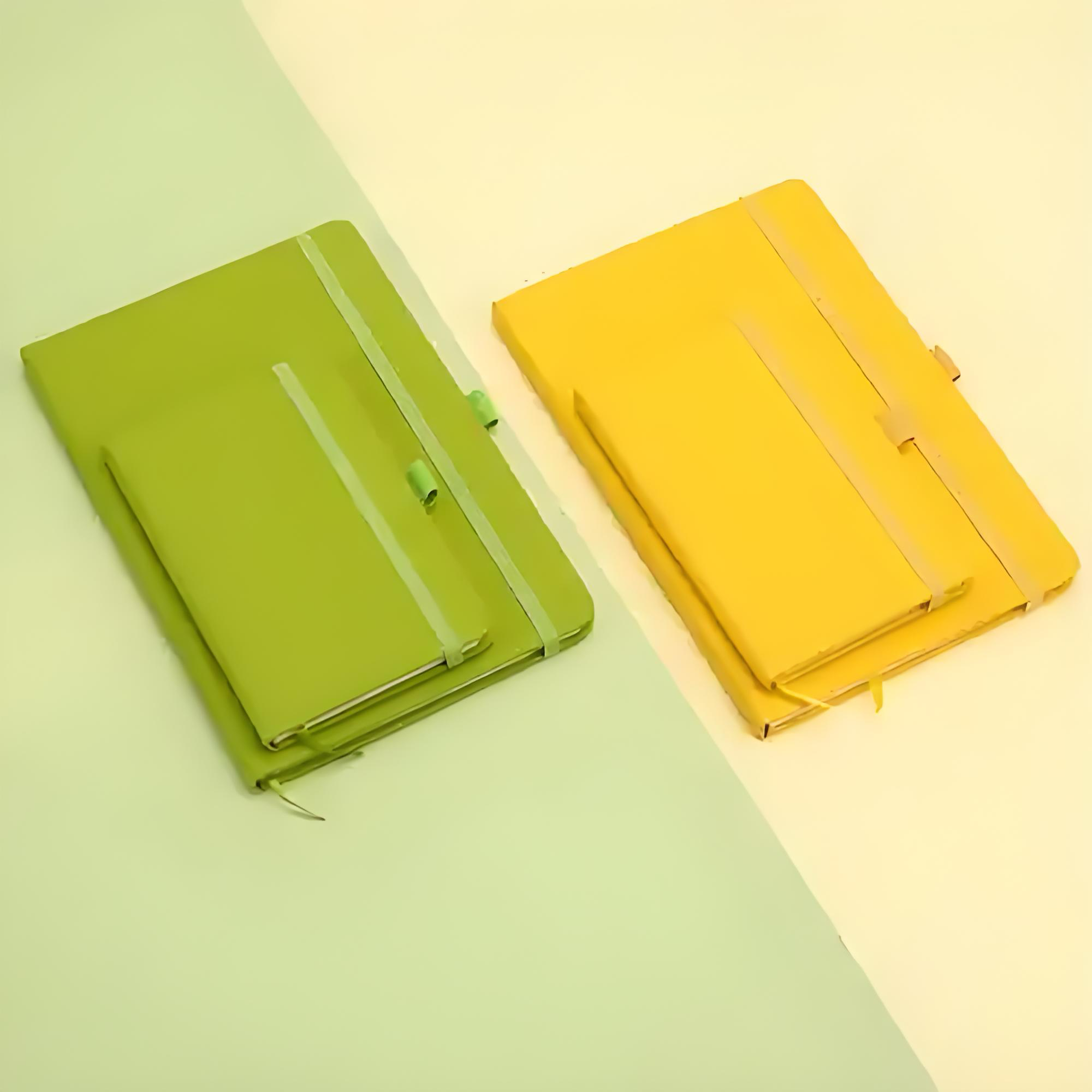

When engaging in bulk export of cross-border Notebooks, Planners, Journals, brand OEM customization and large overseas wholesale orders, it is not the inner pages but cover material selection that creates real profit gaps.
Many manufacturers produce notebooks with identical styles and craftsmanship. Some achieve high premium pricing, fewer after-sales issues and secure big brand orders, while others are trapped in vicious low-price competition. The core difference lies in cover fabric selection strategy.
The cover defines the notebook’s texture and grade, durability during ocean shipment, brand premium, customs compliance and final gross profit. The right material brings consistent repeat orders; poor material choices lead to shrinking margins and endless after-sales troubles.
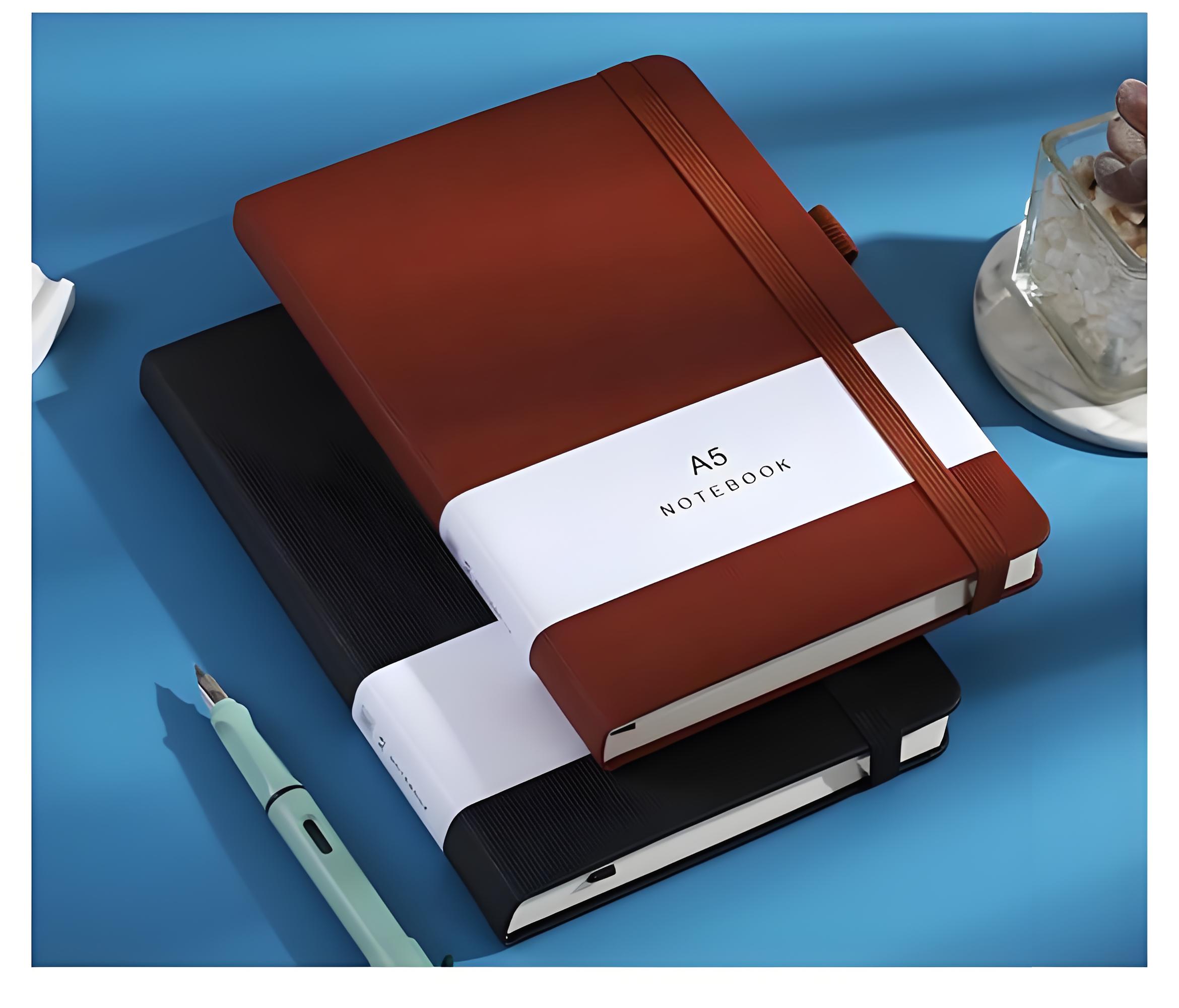
I. Why Cover Material Determines Foreign Trade Profit
- Dictates product performance at sea and after-sales rateExport shipments endure high humidity on long ocean voyages, container compression and long-term storage in overseas warehouses. Premium fabrics resist deformation, peeling and bubbling while offering moisture and scratch resistance. This greatly reduces risks of FBA rejection, customer returns and negative reviews, cutting hidden after-sales expenses.
- Directly lifts brand premium (up to 40% price difference)Notebooks of the same design vary drastically in grade with different cover materials. High-end fabrics feature delicate texture, elegant matte finish and clean printing effect. Logo-customized items can gain a 20%-40% price premium, ideal for European & American brands, corporate gifts and mid-to-high-end retail markets.
- Mitigates customs compliance risksMajor export markets enforce requirements including FSC-certified eco-materials, non-toxic compliant ink and REACH standards. Qualified eco-friendly cover materials prevent customs detention, demurrage charges and fines, ensuring stable order fulfillment.
- Shapes overall quotation and profit structureCover raw material cost, MOQ and process wastage (foil stamping / UV printing / embossing / embroidery) directly affect factory prices, wholesale rates and retail prices. Mastering material selection enables precise cost control, diversified product lines and escape from low-price competition.
II. Mainstream Cover Materials for Notebook Foreign Trade in 2026 (Market-oriented Matching)
- PU Recycled Leather / Faux Leather (Top Volume Choice for Exports)Offers optimal cost performance, abundant styles and wide compatibility. Cost is 40%-60% lower than genuine leather with similar tactile feel and strong wear resistance. It is the primary stable-profit material for European & American retail, cross-border stock goods and bulk wholesale.
- Genuine Leather / Split Leather (Exclusive for High-end Brand Customization)Targeted for luxury gift sets, luxury brand merchandise and premium business notebooks. Selling price exceeds standard PU items by over 40% with remarkable premium potential, suitable for high-value small-batch premium orders.
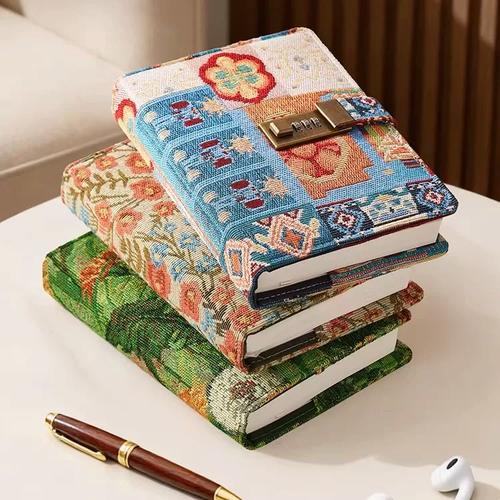
- Fabric / LinenIdeal for minimalist & boho-style journals, popular in overseas niche markets. Lamination is recommended for shipments to humid regions to prevent mildew and wrinkling.
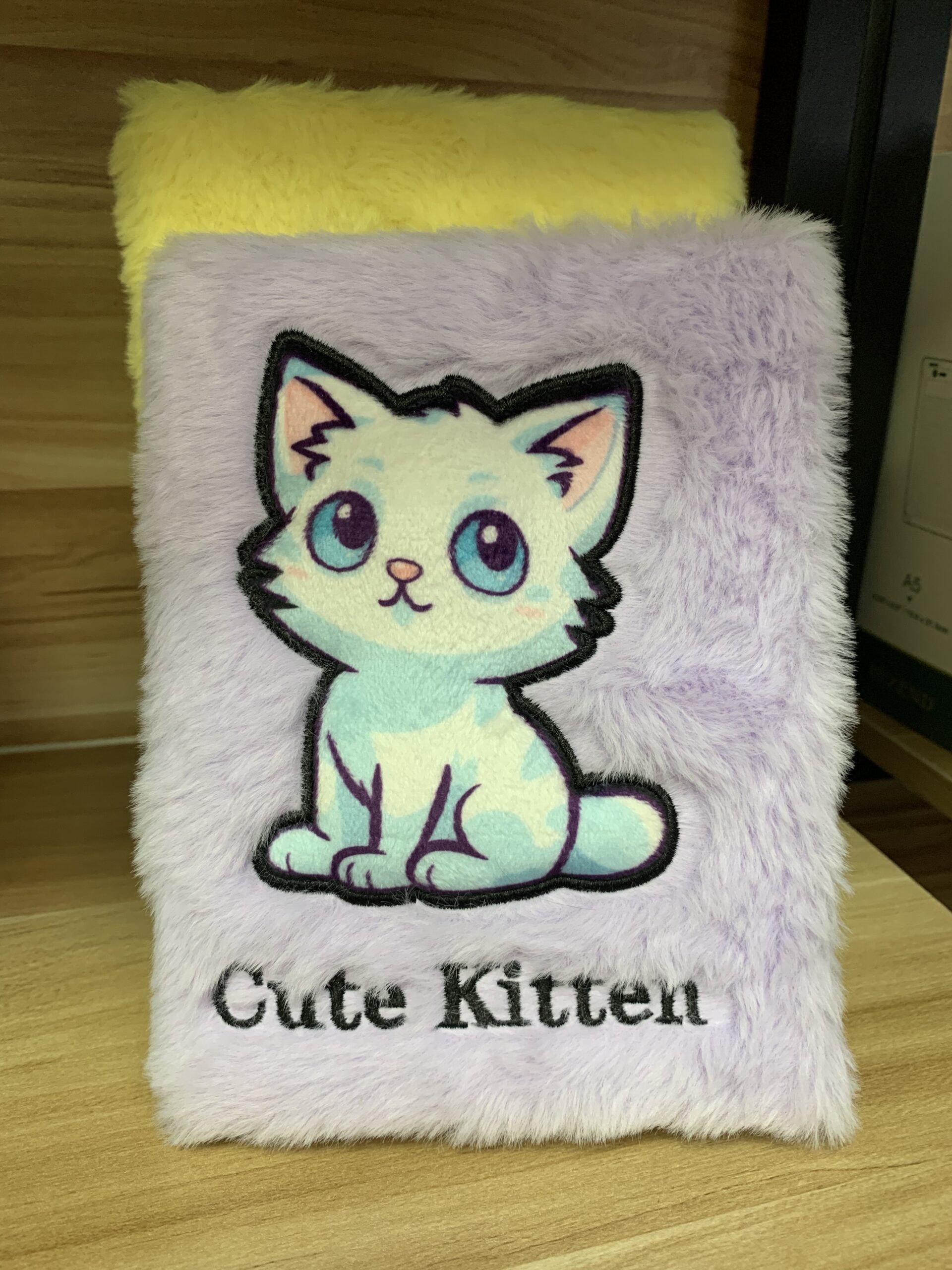
- FeltHighly workable for embroidery and patch labels, widely used in small-batch seasonal and limited-edition notebooks.
- Hard Paper BoardDelivers outstanding printing results with minimalist premium look, perfect for Planners. Heavier weight pushes logistics costs 30%-40% higher compared to soft covers, suited for high-margin premium orders.
- RPET Degradable Eco-materialA must-have standard for foreign trade in 2026. With increasingly strict global environmental regulations, demand for sustainable materials keeps rising. It serves as a critical advantage during factory audits and long-term cooperation with major brand buyers.
III. Premium Material Selection Workflow for Exports (Factory Order Standard)
Product Positioning → Market-oriented Material Matching → Moisture & Abrasion Resistance Verification → Color & Craft Confirmation → MOQ & Cost Calculation → Environmental Certification Review → Sample Confirmation → Mass Production
Conclusion
In the notebook export industry, inner pages determine passability, while covers determine profitability.
Proficiency in material selection, product tier planning and accurate overseas market positioning helps you break free from cutthroat competition of plain low-cost notebooks. Secure high-margin custom brand orders and large overseas wholesale deals to consolidate profits on every shipment.
#NotebookFactory #ForeignTradeNotebook #CustomNotebook #Planner #Journal #SpiralNotebook #CorporateGiftNotebook #JournalManufacturer