Book Categories:

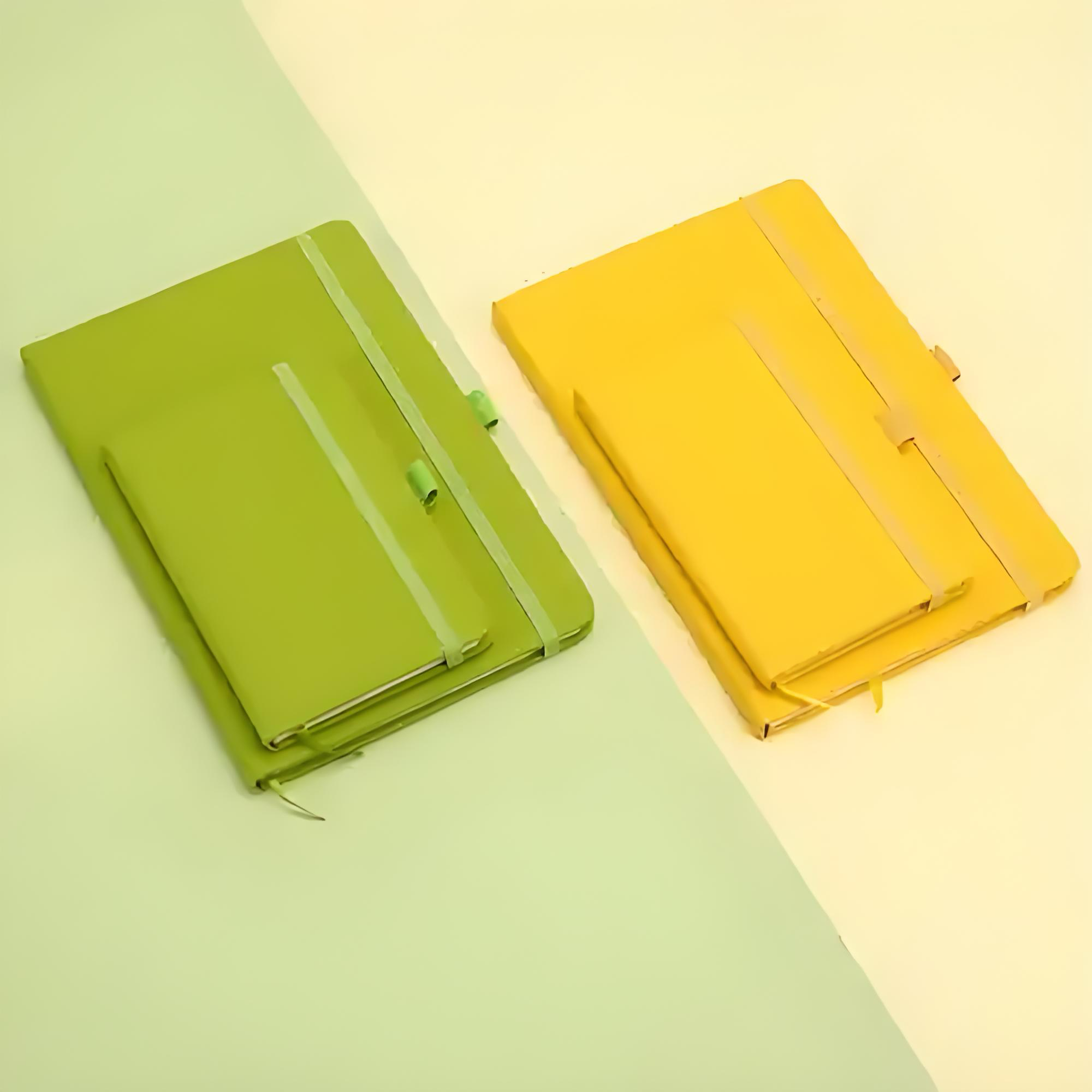

Embossing & Debossing: Elevate Premium Texture of Notebooks
In a stationery market flooded with homogeneous products, standard printed notebooks can hardly meet brands’ demands for differentiated and high-end customization. Ink-free three-dimensional embossing and debossing leverage their unique strengths—color-free finish, pure texture and distinct tactile feel—to become core techniques for upgrading the texture and premium positioning of paper notebooks. Elaborate color schemes and intricate patterns are unnecessary; physical indentation and relief alone help notebooks stand out from ordinary paper goods, catering to full-scenario design needs including corporate gifts, high-end cultural merchandise, business custom orders and premium student stationery.
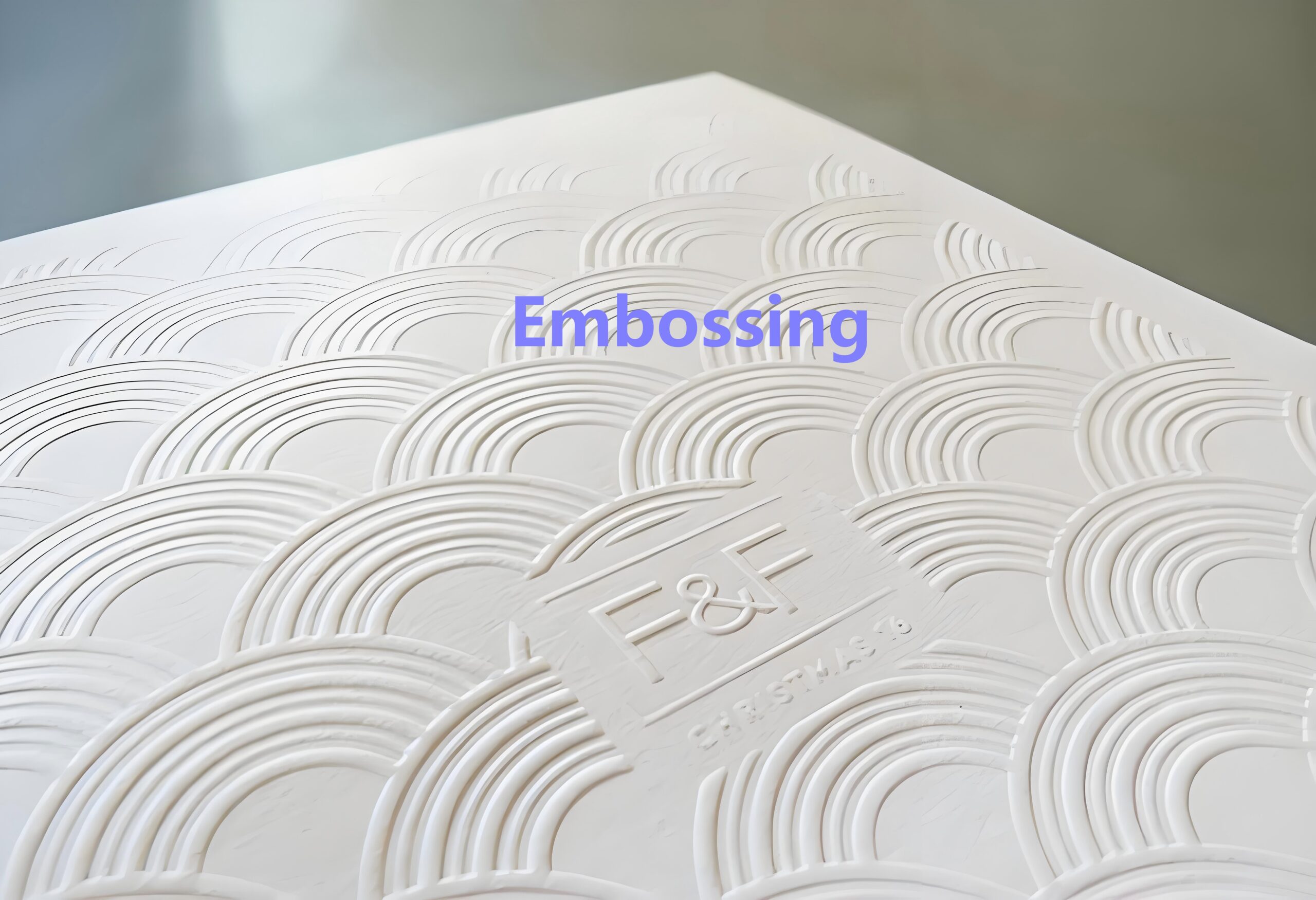
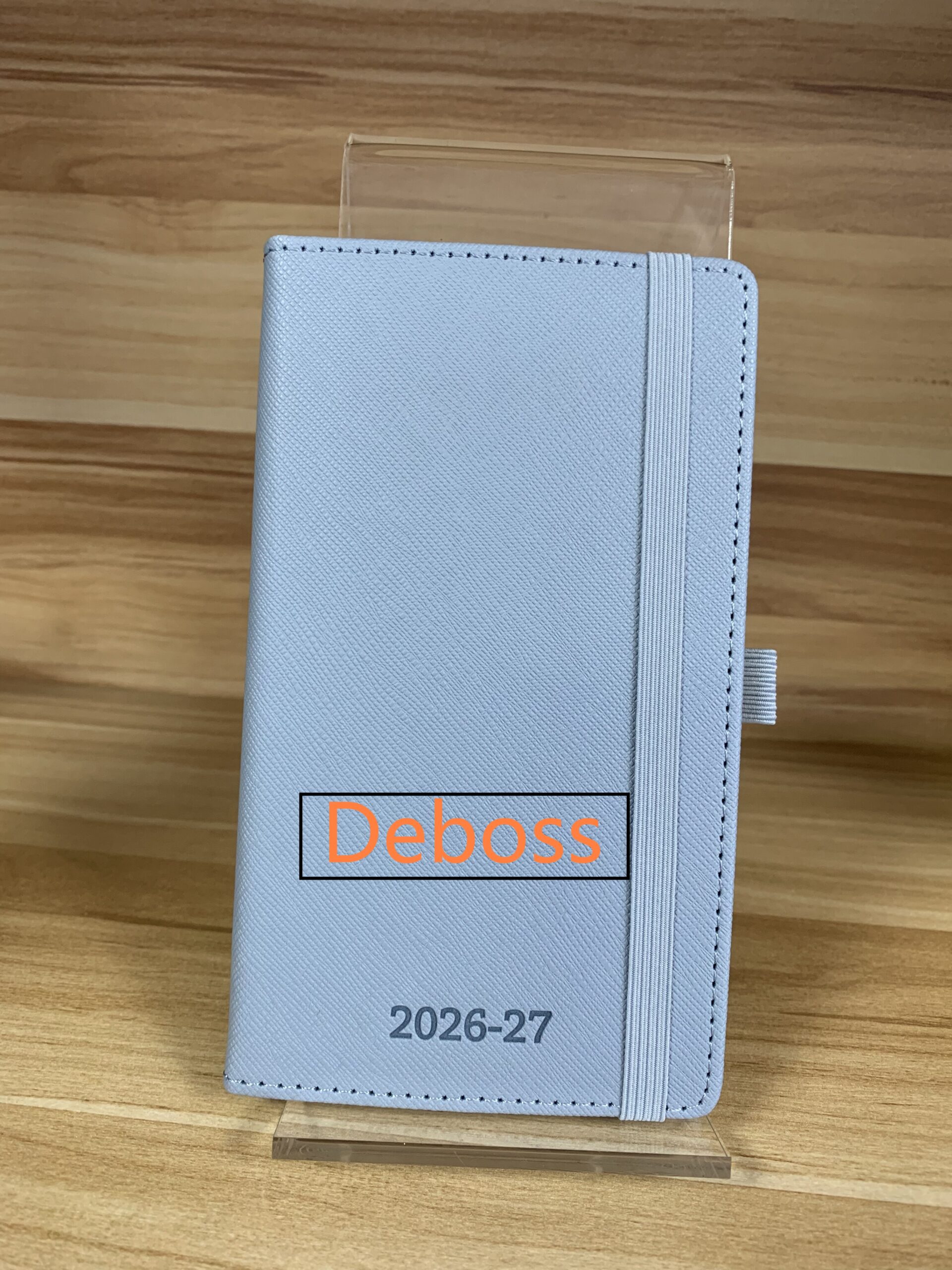
Embossing and debossing operate on the precise engagement of matching male and female dies. High temperature and pressure physically reshape notebook substrates such as paper, PU leather and hardcover fabric. Neither process requires ink printing, making them eco-friendly and odor-free in line with current sustainable stationery manufacturing standards. They are also abrasion-resistant and fade-proof, greatly boosting notebook durability and visual depth.
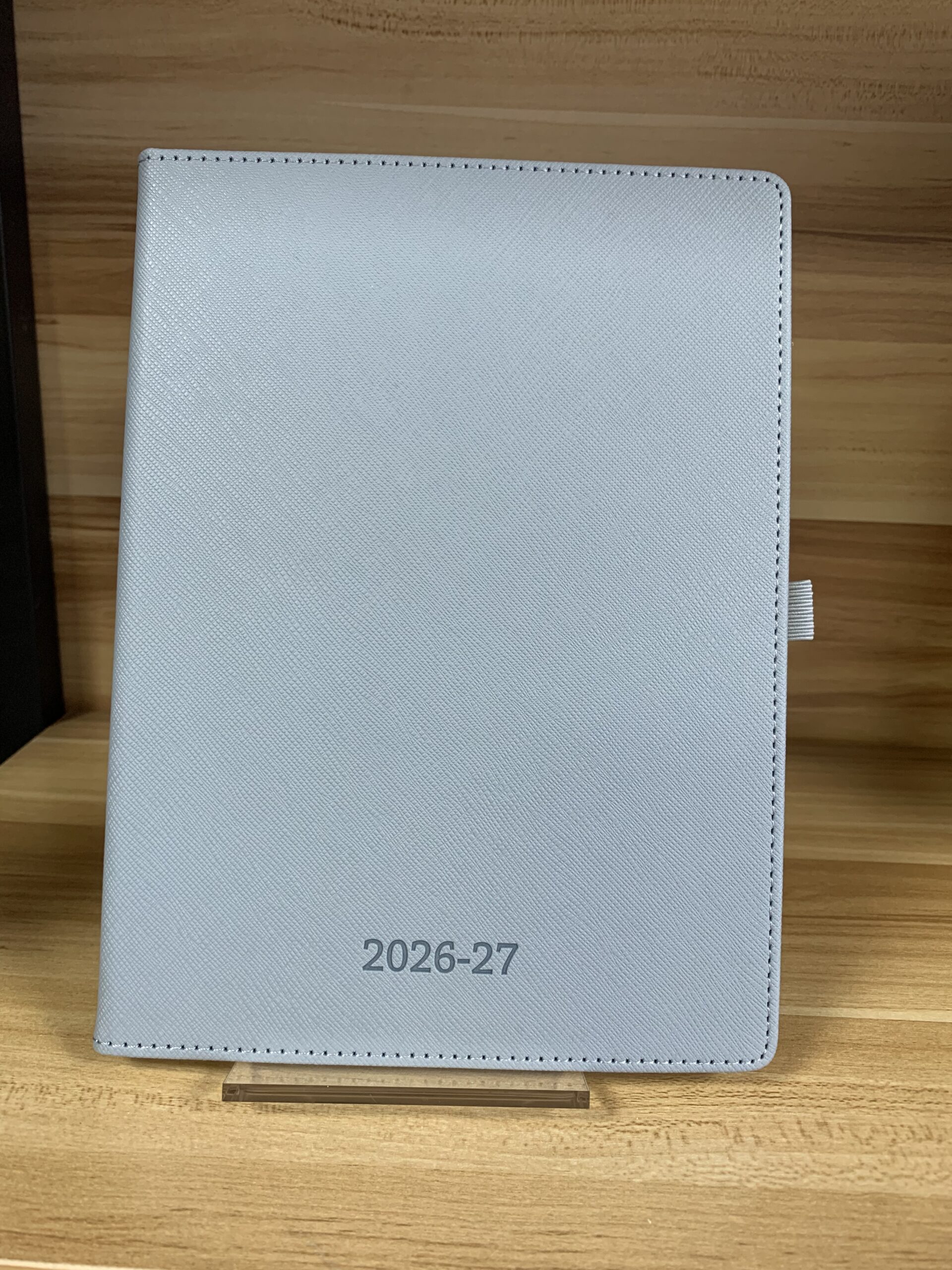
1. Cover Application: Create 3D Texture & Upgrade Product Grade
Strategic use of embossing and debossing on hardcover, softcover and leather notebook covers eliminates the cheap look of full-surface printing, delivering a minimalist, upscale light-luxury texture.
Monochrome debossing works perfectly for minimalist and business-style notebooks. Brand logos, concise slogans and simple line patterns debossed at the center or corners of covers present a subtle, delicate texture with a clear yet understated touch.
For artistic and cultural notebooks, partial embossing brings illustrations, decorative patterns and artistic fonts into raised relief. The sculptural three-dimensional effect adds rich design layers that stand apart from flat printed surfaces.
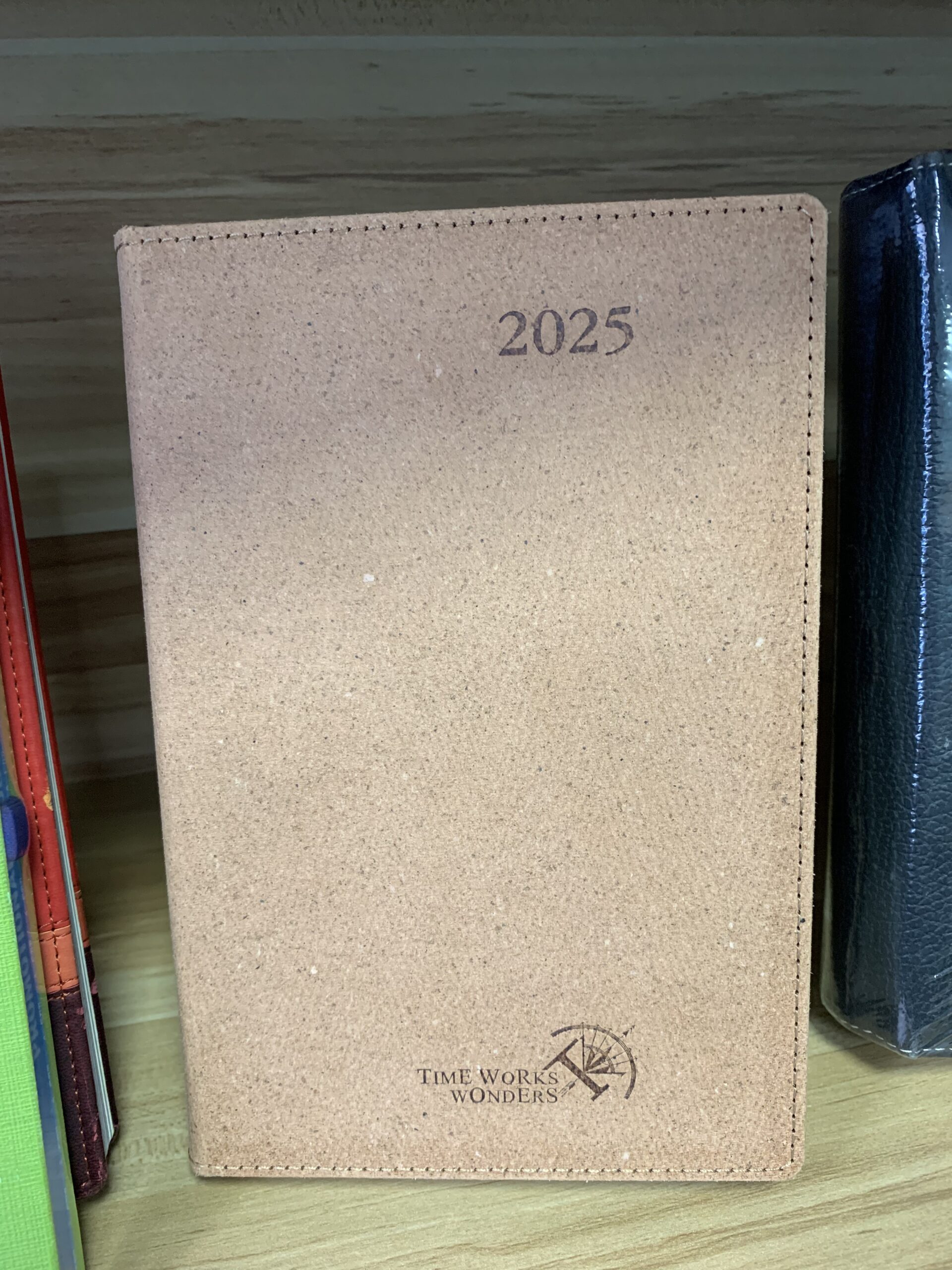
2. Brand Logos: Strengthen Visual Recall & Highlight Brand Identity
Logos and exclusive emblems serve as core identification marks on notebooks. Embossing and debossing offer one of the most cost-effective, high-texture ways to highlight brands. Compared with foil stamping and color printing, their raised or indented textures deliver stronger recognizability and match all design aesthetics, suitable for corporate business gifts, brand merchandise and custom cultural products.
For corporate custom notebooks, precise debossing of corporate logos or brand short names creates a neat, professional look aligned with the restrained minimalist style favored by government enterprises and office workplaces. For youth-oriented, wellness and cultural notebooks, partial embossing of brand IP graphics and playful slogans creates vivid, eye-catching relief shapes. This dual visual and tactile impression deepens user memory and supports differentiated brand communication.
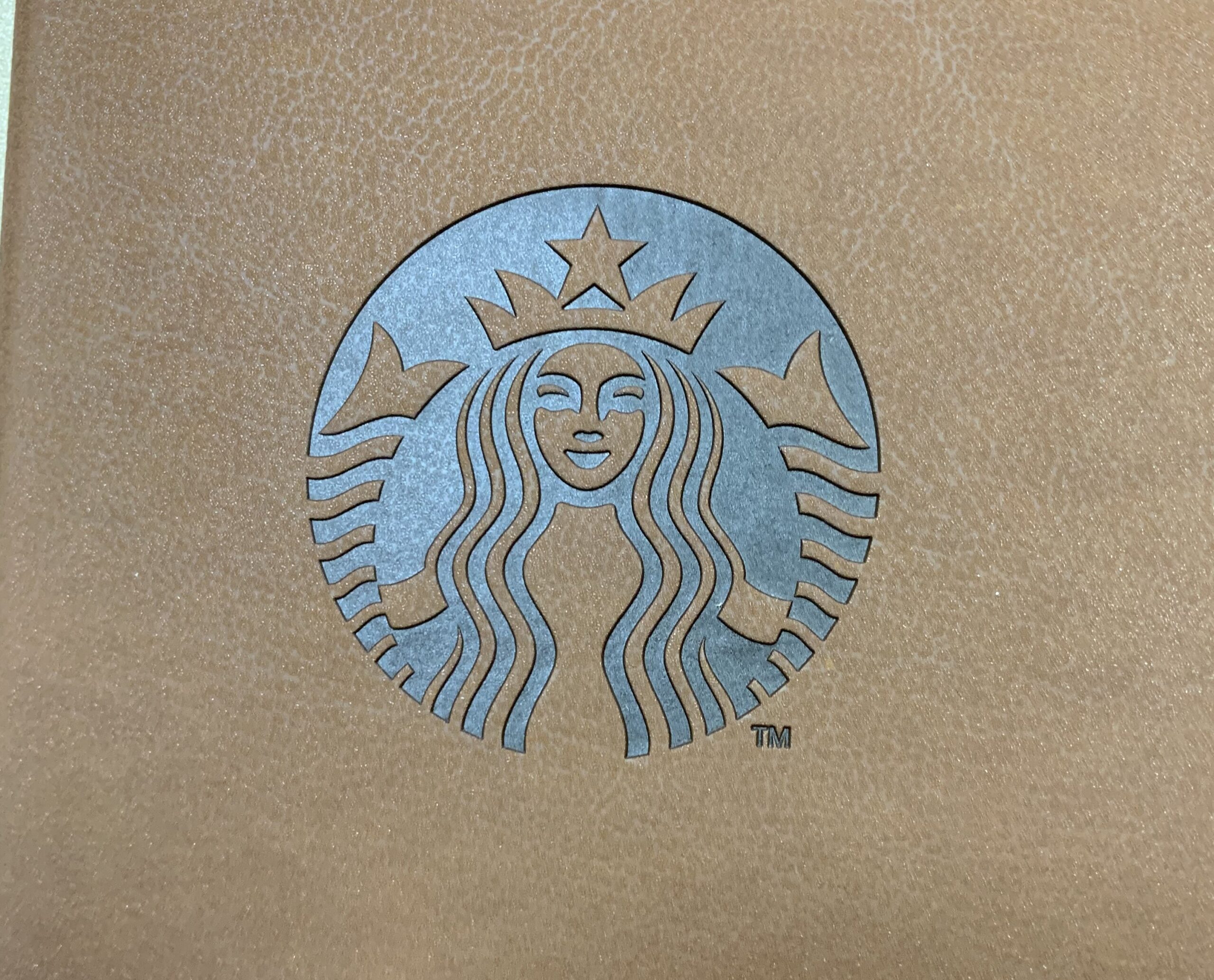
3. Inner & Auxiliary Pages: Refine Design Details & Optimize User Experience
Beyond covers, embossing and debossing can be flexibly applied to flyleaves, section dividers and back covers. Delicate three-dimensional detailing breaks the flat monotony of inner pages and enhances the refined feel and ceremonial experience of using the notebook.
Wellness, mindfulness and journal notebooks may adopt subtle debossing on guiding text, decorative patterns and page numbers. Faint indented motifs do not interfere with writing while adding delicate texture.
For business planners and office record books, light embossing on divider lines and functional labels delivers clear section division and premium texture, balancing practicality and aesthetics.
4. Core Tips for Process Combination & Common Pitfall Avoidance
- Material Compatibility: Embossing and debossing perform best on thick cardstock, leather and specialty paper. Thin writing inner pages should only use shallow debossing; deep embossing is not recommended to prevent warping and tearing.
- Style Matching: Prioritize debossing for high-end business and minimalist light-luxury styles; choose embossing for artistic cultural and youthful wellness designs to align accurately with product positioning.
- Effect Enhancement: Plain embossed/debossed finishes are universally versatile. Small accents of foil stamping or spot UV can be added for highlights, but avoid overstacking multiple processes which results in cluttered, cheap-looking work.
- Quality Control: Maintain strict standards for die precision, pressing temperature and duration to prevent pattern springback, rough edges and paper yellowing, ensuring consistent quality across mass production.
Conclusion
Boasting eco-friendliness, durability, premium appearance and universal adaptability, embossing and debossing are pivotal techniques to elevate customized notebook designs. Layered application—refining cover texture, emphasizing brand logos and adorning subtle details—helps generic notebooks escape homogenization. Without significant production cost increases, these processes markedly upgrade product tier, tactile experience and brand added value, meeting diverse market demands for premium gifting, mass retail and corporate customization.