Book Categories:

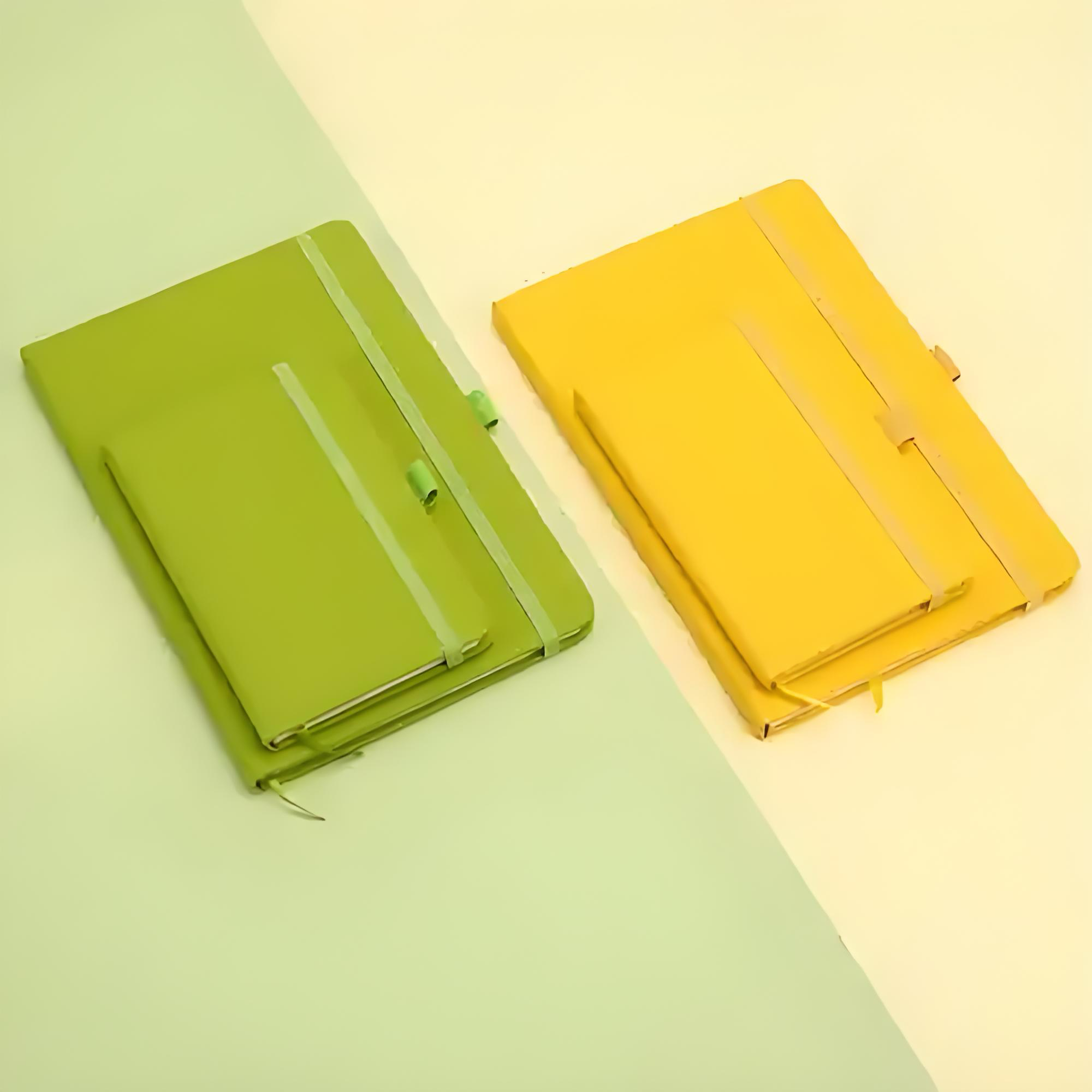

Coil binding (also known as spiral binding) is a mainstream binding process for retail stationery and planners, balancing practicality and cost efficiency for mass production. For years, we have supplied customized coil-bound notebooks to supermarkets, branded gift suppliers, foreign trade wholesalers and corporate purchasers. However, this binding method has clear applicable limits and is not suitable for all orders. From the perspective of factory supply and buyer product selection, this article objectively explains the strengths and weaknesses of coil binding, helping you quickly determine whether coil binding fits your order.
1. What Is Coil Binding?
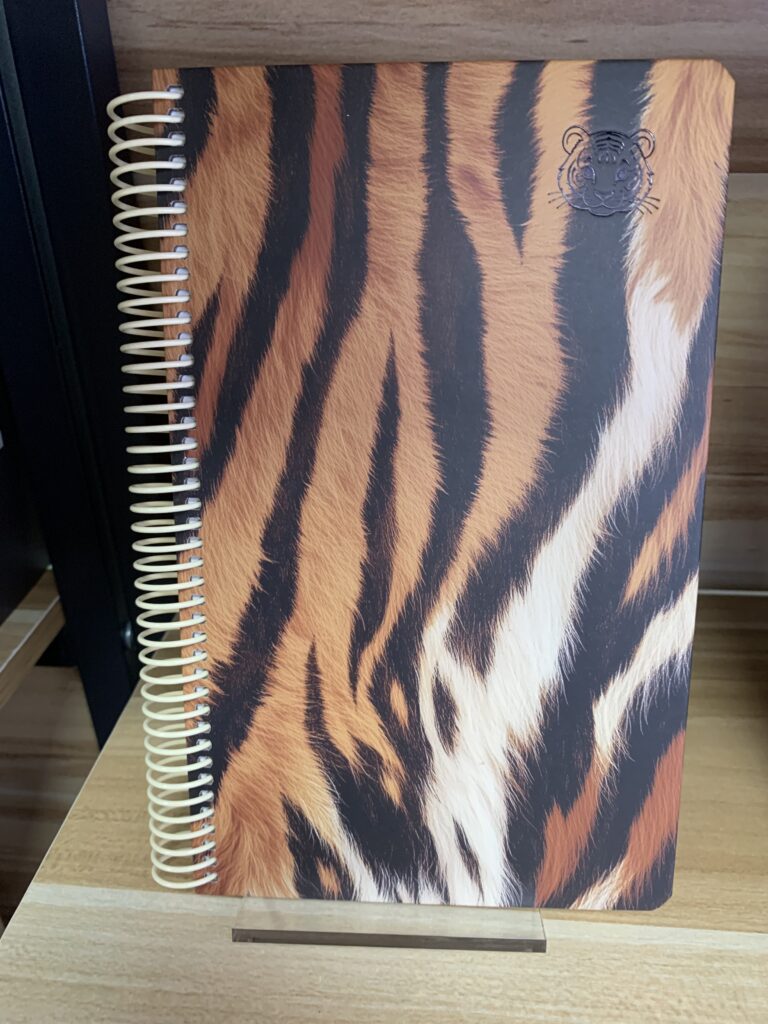
Uniform holes are punched along one edge of the notebook, then continuous plastic or metal coils are threaded through to secure all inner pages. Its core feature is full 360° unrestricted flipping with the notebook lying completely flat, turning pages smoothly without springing back.
2. Classifications of Coil Binding
2.1 By Material
1、Single Plastic Coil
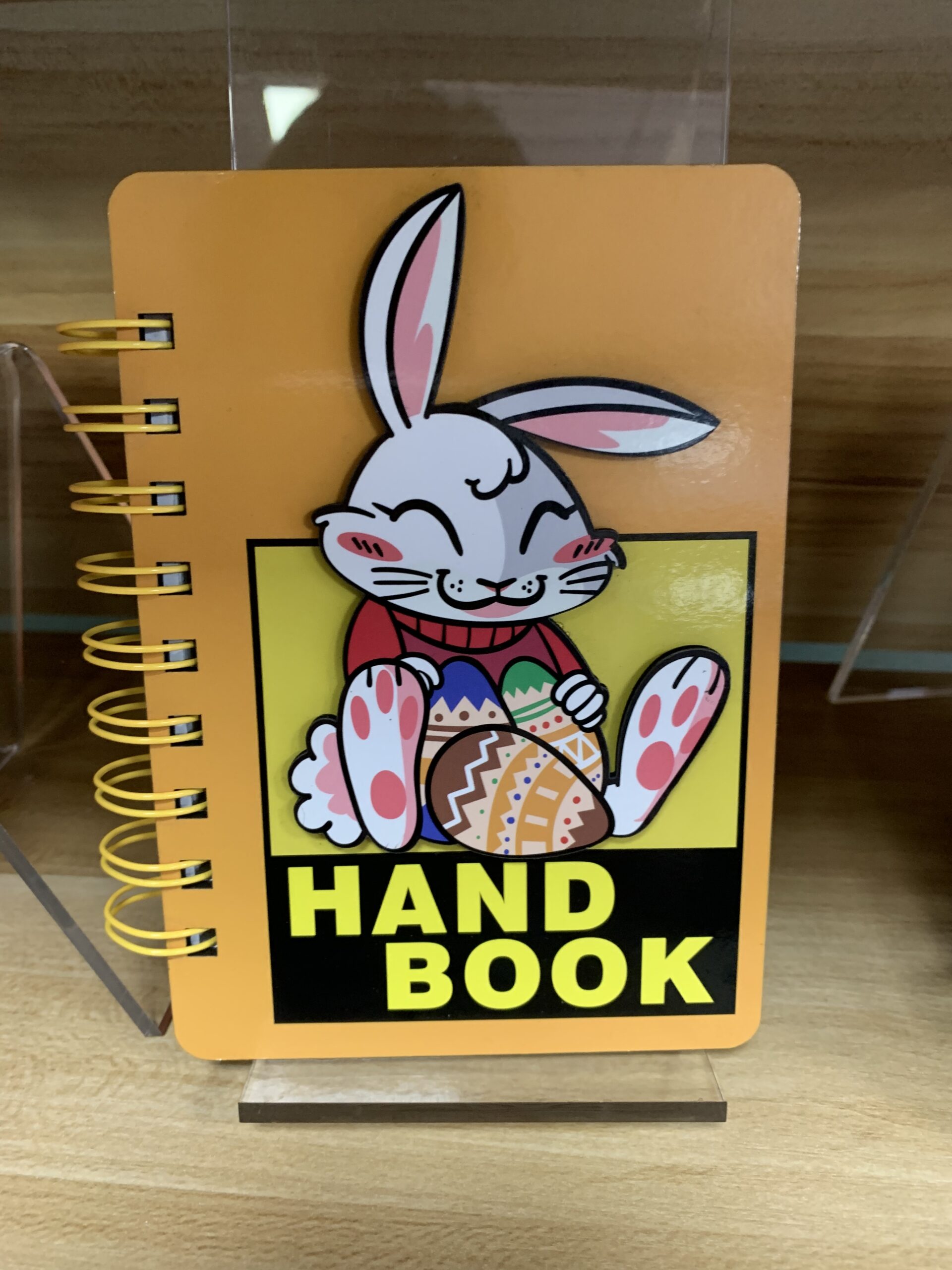
Flexible and lightweight, available in a wide range of customizable brand-matching colors. It comes at a lower unit price with excellent cost performance for mass production.Applicable products: student notebooks, promotional event giveaways, affordable daily writing pads.
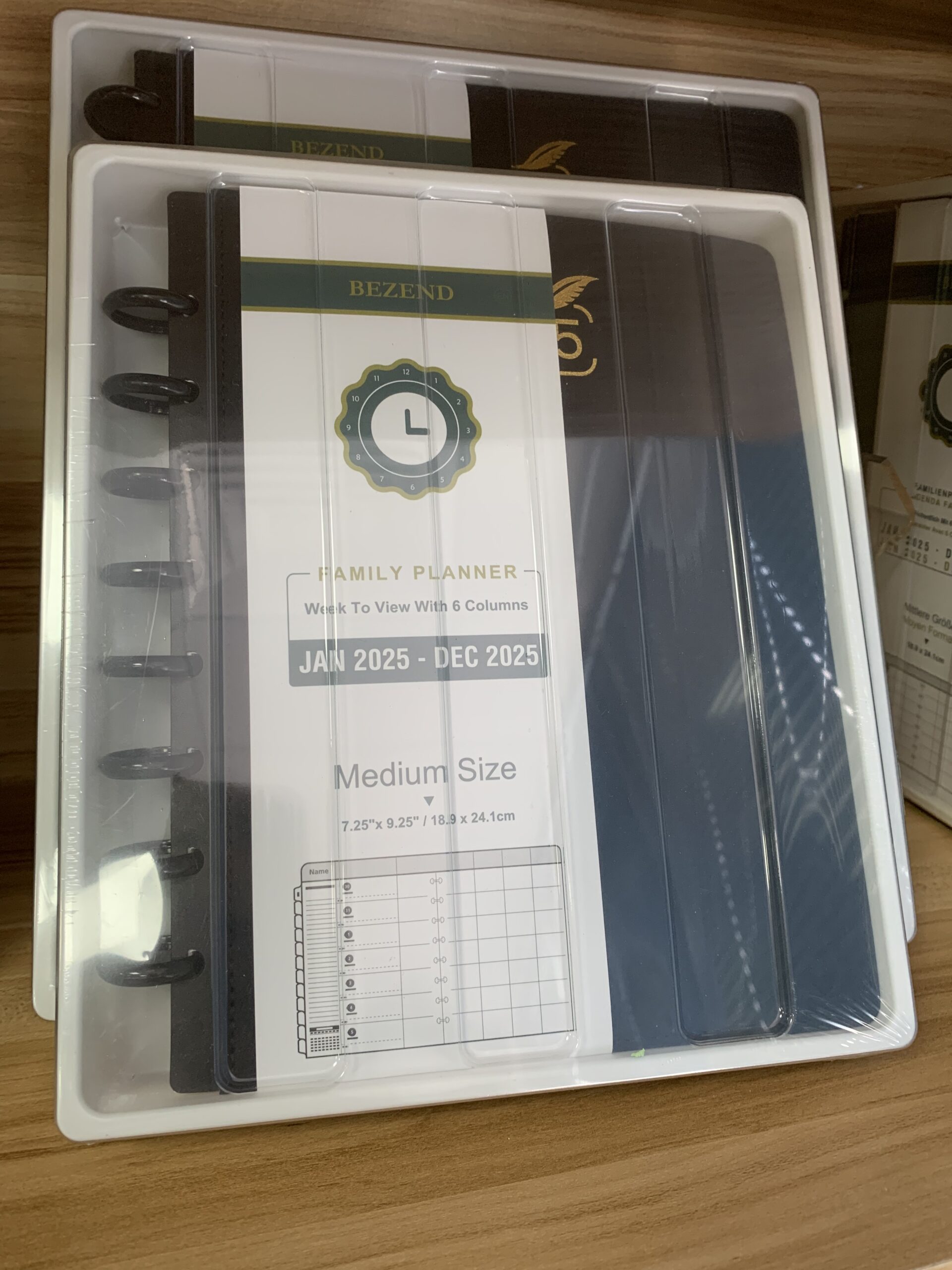
2、Metal Wire-O Double Coil
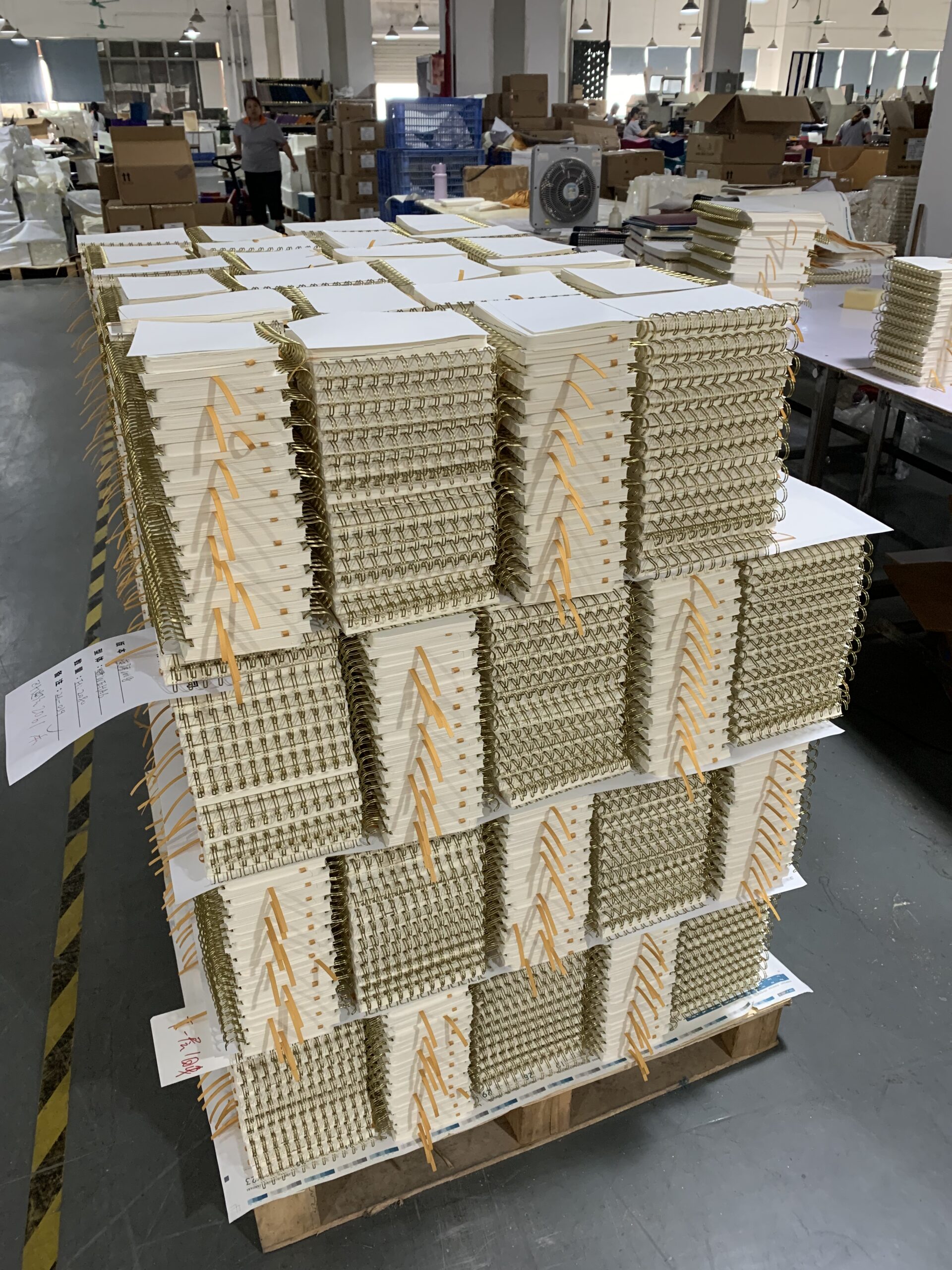
Delivers a neat, rigid shape with premium business aesthetics and refined appearance. Its downside is that it easily bends and deforms under compression during long-distance sea shipping.Applicable products: export journals & planners, corporate training manuals, mid-range business notebooks.
2.2 By Structure
- Single Spiral Coil: Integrated single-loop design with the lowest mass-production cost, the top choice for large-volume fast-moving orders.
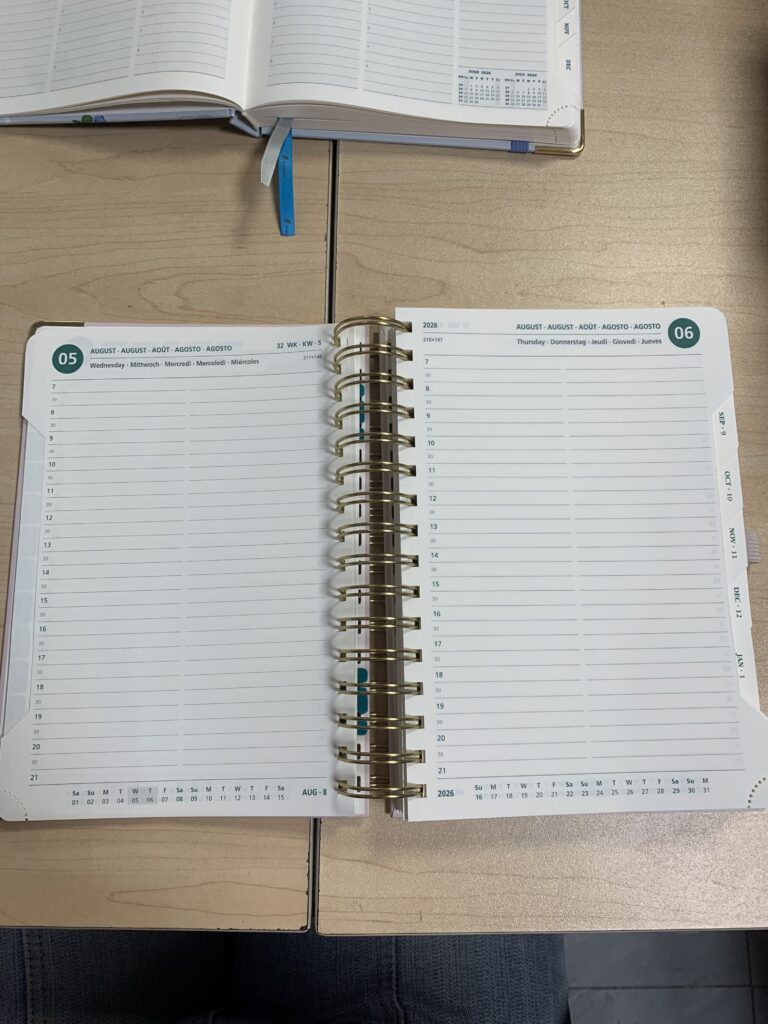
- Wire-O Double Coil: Closed double-ring structure with higher grade and slightly higher cost, designed for mid-to-high-end retail lines.
3. Core Advantages of Coil Binding
- Full 360° lay-flat writing delivers versatile applicability, ideal for standing note-taking and sketching on compact desktops with no restrictions.
- Wide compatible page count range: It stably binds notebooks ranging from thin 40-page pads to thick volumes over 200 pages, allowing flexible custom inner page layouts.
- High customization flexibility: Coil thickness, coil color and cover material can all be tailored as requested, enabling differentiated products to boost shelf appeal.
- Cost-effective for small & medium bulk orders with shorter lead times. Compared with sewn hardcover and thick perfect-bound notebooks, it offers better unit pricing for orders under 50,000 pieces and shorter production schedules, perfectly catering to rush peak-season orders.
4. Drawbacks of Coil Binding
- Blank spine without printing space for text or logos, resulting in low recognition when stacked on supermarket shelves. It relies solely on the cover to attract customers, making it unsuitable for long-term retail lines that highlight branding via spine printing.
- Poor compression resistance: Metal coils bend easily under pressure, while plastic coils deform when pulled hard, requiring extra protective measures for long sea transportation.
- Overall casual and functional style lacking premium gift texture, so it is not recommended for high-positioned orders such as high-end client gift boxes and VIP souvenir presents.
- Larger storage & shipping footprint. The protruding coil structure prevents tight stacking, so identical quantities occupy larger carton space than perfect-bound notebooks, slightly increasing ocean freight costs.
Selection Suggestion
Opt for perfect binding or sewn hardcover for orders focused on premium gifting, large-volume shelf retail display, and strict shipping volume control.
5. B-End Buyer Selection Criteria
- Usage demand: Choose coil binding if your end-users require lay-flat writing, sketching or extensive data recording.
- Sales channel: Perfect binding works for long-term supermarket shelf sales; coil binding fits promotional giveaways and online retail.
- Usage frequency: Coil binding suits notebooks for frequent daily writing and review recording; hardcover binding is better for rarely-used collectible souvenir books.
- Brand exposure demand: Avoid coil binding if you need printed brand names on the spine for shelf display.
6. Bulk Order Cost & Customization Support
For small and medium orders below 50,000 pieces, coil binding holds prominent advantages in cost and lead time over hardcover notebooks.Full customization services are available: exclusive colored coils, tab divider pages, laminated / PP waterproof covers, and FSC-certified acid-free paper to meet European and American environmental compliance standards. Neutral unbranded blank products for export are also supported.
7. Export Packaging & Sea Shipping Protection Guidelines
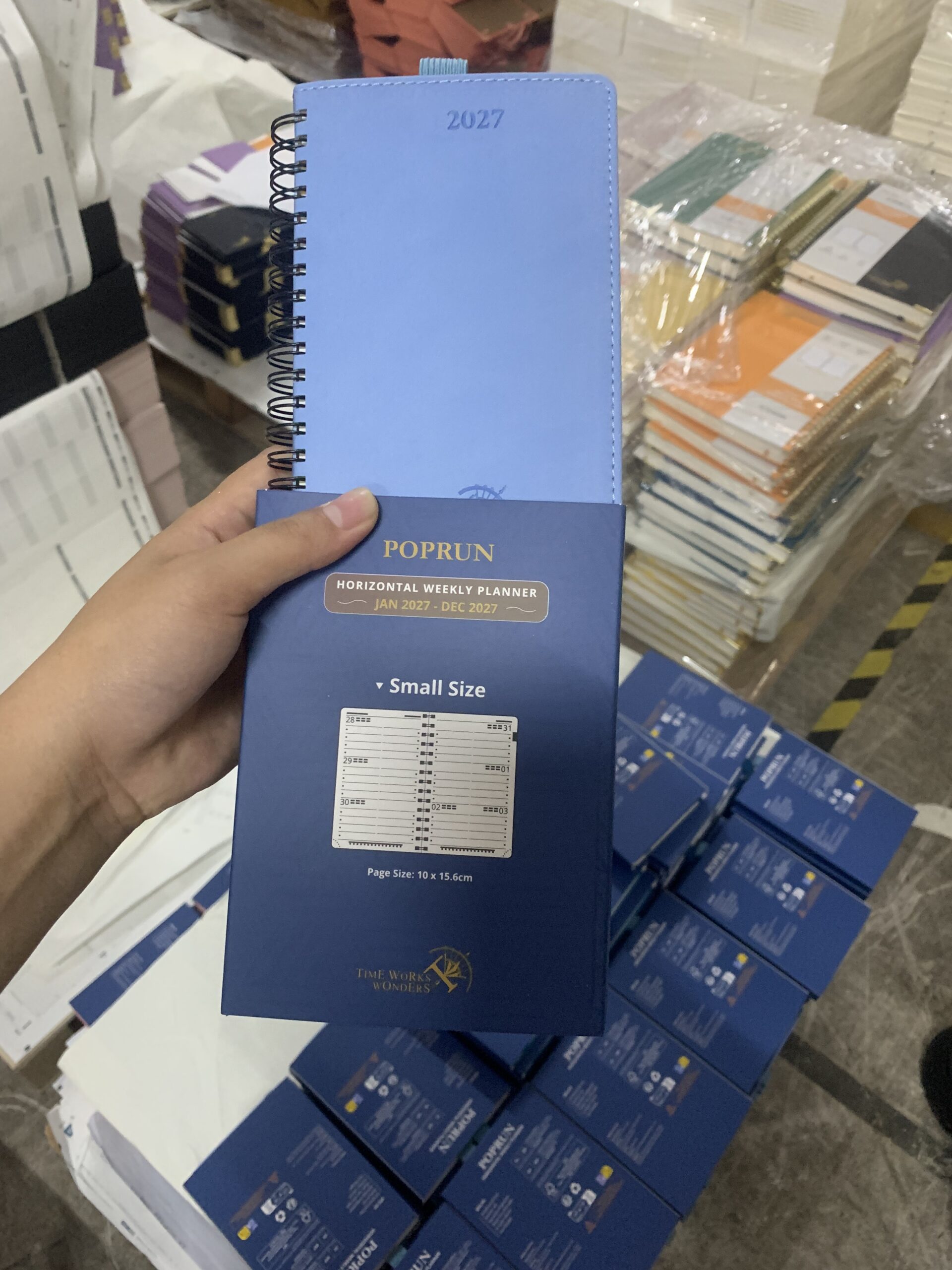
The protruding coil structure cannot bear heavy stacked weight, so sufficient carton space must be reserved for full-container shipments. To reduce damage from long ocean transit, we provide reinforced export cartons, separate inner divider boxes and anti-collision coil corner protectors to lower deformation and breakage rates during transport.
Conclusion
If your products target functional daily writing, fast turnover sales via online stores or supermarkets, while you aim to control bulk procurement costs and shorten delivery lead times, coil binding is a stable, highly compatible mature solution. When choosing binding techniques, there is no need to blindly pursue luxurious appearance. Only by matching the end-users’ practical needs and sales channels can you improve product repurchase rates and shipment volumes.