Book Categories:

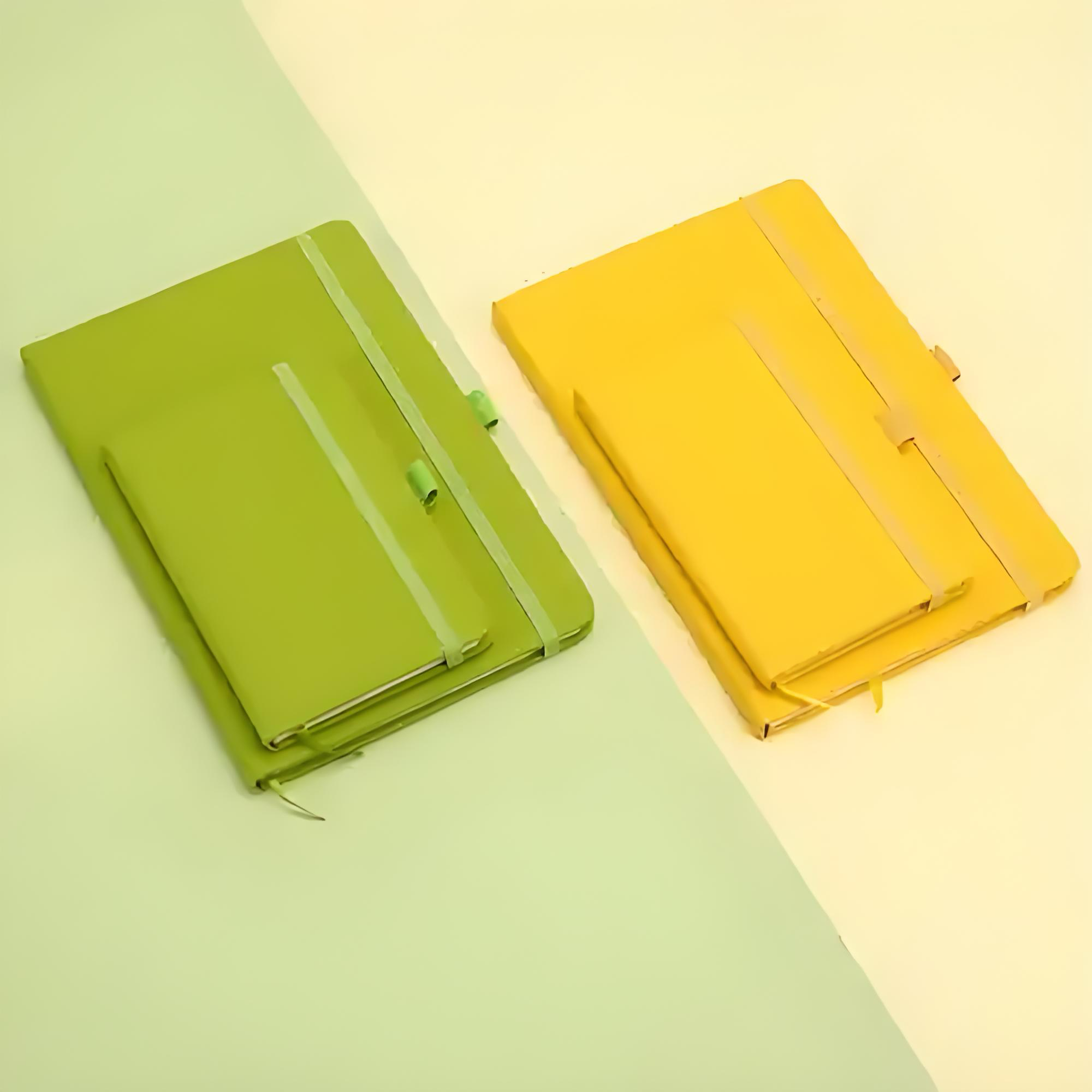

The competitiveness of high-end retail planners hinges on cover selection, which should integrate target demographics, pricing, material craftsmanship, color schemes and eco-certifications. Genuine leather suits premium lines, while FSC recycled paper is ideal for eco-friendly collections. Hardcover paired with soft-touch lamination, foil stamping and other crafts dominates the market. This year’s serene shade Cloud Dancer perfectly aligns with planner aesthetics.
I. How Planner Covers Drive Retail Conversions
Covers are far more than outer casings; shoppers form purchase judgments within three seconds based on sight and touch. Physical stores feature dense shelves where covers instantly convey product positioning. On e-commerce platforms, all listing visuals rely on covers—superior texture boosts trust and order rates. Even planners with simple inner layouts feel great value if finished with refined covers, suitable for personal use or gifting.
The global stationery market keeps expanding, projected to grow from $112.15 billion in 2023 to $151.96 billion by 2030. Fierce competition means subtle differences in cover materials and crafts create huge sales gaps. Customers judge quality via sight and touch: matte leather feels minimalist modern, linen delivers warm literary vibes, foil stamping signals gifting value, and hardcovers convey sturdiness. Cover design cannot be an afterthought but must be incorporated into product planning from launch.
II. Pre-Selection Considerations for Planner Covers
No universal cover solution exists—choices depend on target audiences and sales channels: eye-catching visuals for bookstore retail, vivid photo-friendly colors for cross-border Amazon lines, minimalist neat hardcovers for corporate custom gifts.
- Precise Audience TargetingOffice professionals favor solid-color hardcovers with subtle small logos; students prefer lightweight, vibrant softbound designs; boutique stationery shoppers prioritize tactile textures, matching color sets and gift box packages; corporate buyers focus on logo placement, durability and minimum order quantities.
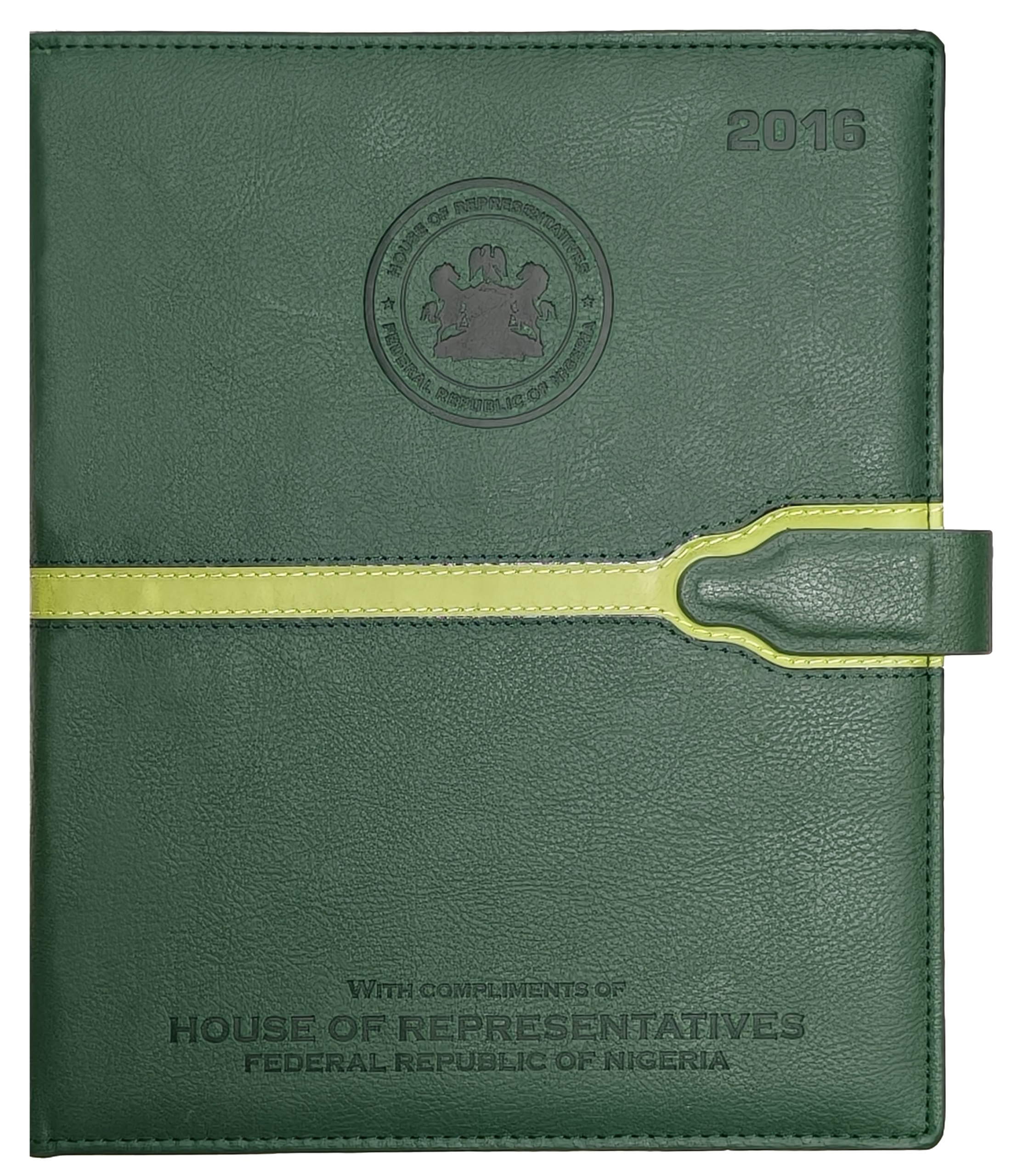
- Align Cover Style with Brand IdentityCover visuals must match brand positioning: wellness brands adopt muted neutral tones and linen textures with slim minimalist fonts; business lines feature navy, black, charcoal and forest green with blind embossed logos; trendy stationery applies seasonal hues, full foil stamping and bold contrasting colors.
- Balance Durability, Practicality & AestheticsPlanners are daily carry items, so covers cannot prioritize appearance alone with mandatory functional standards:
- Resist bending and surface scratches
- Reinforced corner protectors to prevent inner page creasing
- Comfortable handfeel for long-time reading without abrasion
- Stable binding free from splitting or cover shifting over time
- Texture consistent with retail price, avoiding mismatched premium look at low price or cheap finish at high price
III. Comprehensive Comparison of Main Cover Materials
| Material | Premium Texture | Wear Resistance | Cost Tier | Suitable Product Lines | Notes |
|---|---|---|---|---|---|
| Faux PU Leather | High | High | Mid-range | Corporate business notebooks, mid-tier gift planners | Texture varies drastically by manufacturer; sample testing required before mass production |
| Genuine Leather | Exceptionally High | Exceptionally High | High | Limited luxury editions, premium gift sets | High cost, animal-derived material, natural batch color variations |
| Linen Fabric | High | Moderate | Mid-range | Literary stationery, lifestyle journals | Prone to staining and fading for light shades; waterproof coating & color fastness test mandatory |
| Coated Art Cardstock | Moderate | Moderate | Low to Mid-range | Illustrated journals, affordable student seasonal planners | Corner wear occurs with long-term use |
| Soft-Touch Laminated Cardstock | High | Moderate | Mid-range | Minimalist luxury, wellness & productivity journals | Dark shades easily retain fingerprints and fine scratches |
| FSC Recycled Cardstock | Moderate-High | Moderate | Mid-range | Full eco-oriented product lines | Eco marketing claims must be backed by valid certification documents |
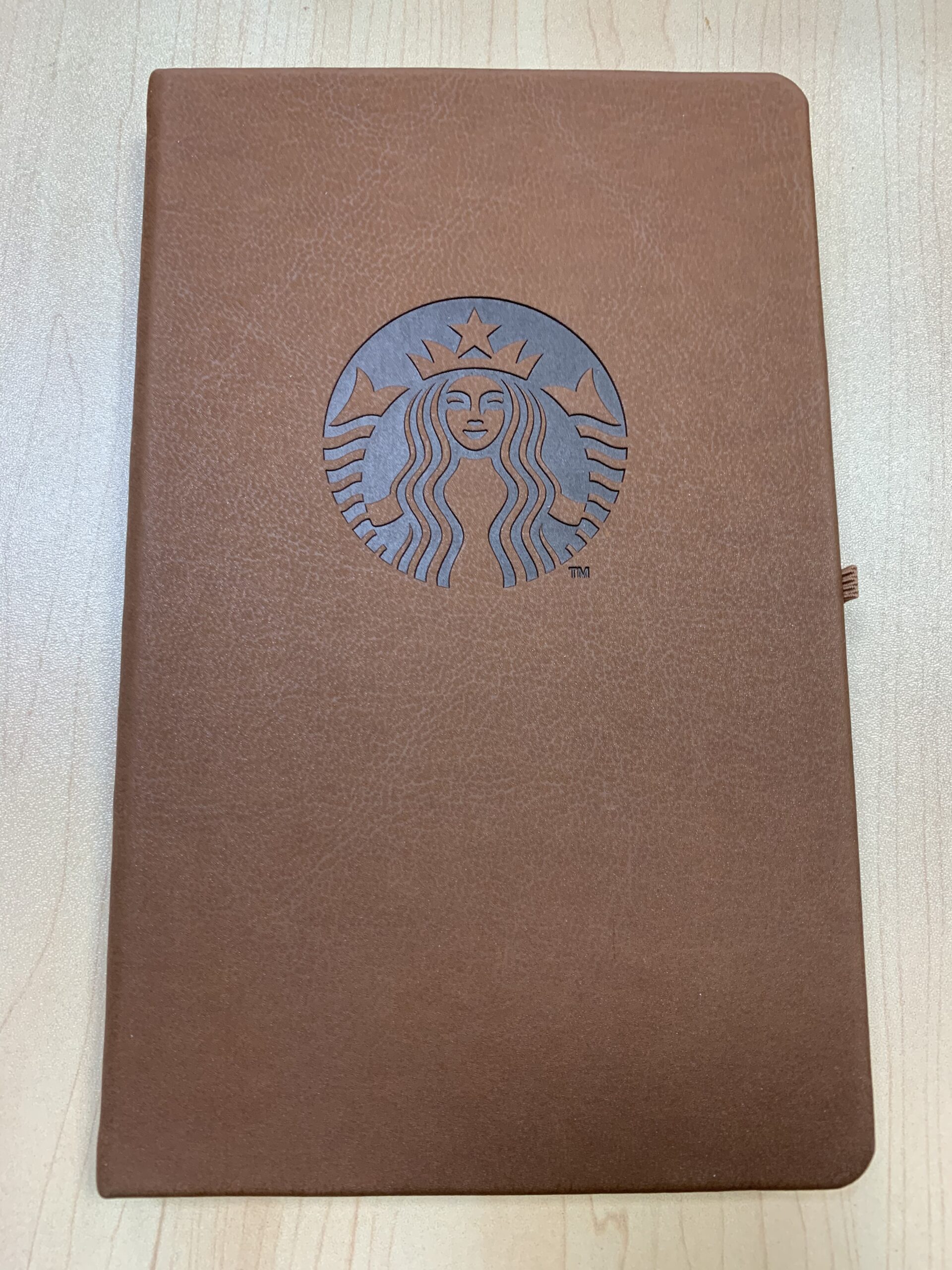
Channel recommendations: Coated or soft-touch laminated cardstock works best for supermarket retail; PU leather balances texture and budget for bulk corporate gifts; textured linen differentiates boutique stationery shop products.
IV. Popular Surface Finishes to Elevate Product Tier
Identical base materials gain premium value via surface crafts, which greatly impact in-store appeal and online photo performance:
- Matte Lamination: Low-glare finish ideal for minimalist & business styles, consistent photography effect for e-commerce listings
- Gloss Lamination: Boosts color saturation, only for student illustrated collections; unsuitable for premium business lines as it looks cheap
- Soft-Touch Coating: Silky velvety finish, a top trending craft for luxury planners; fingerprint resistance testing required for dark covers
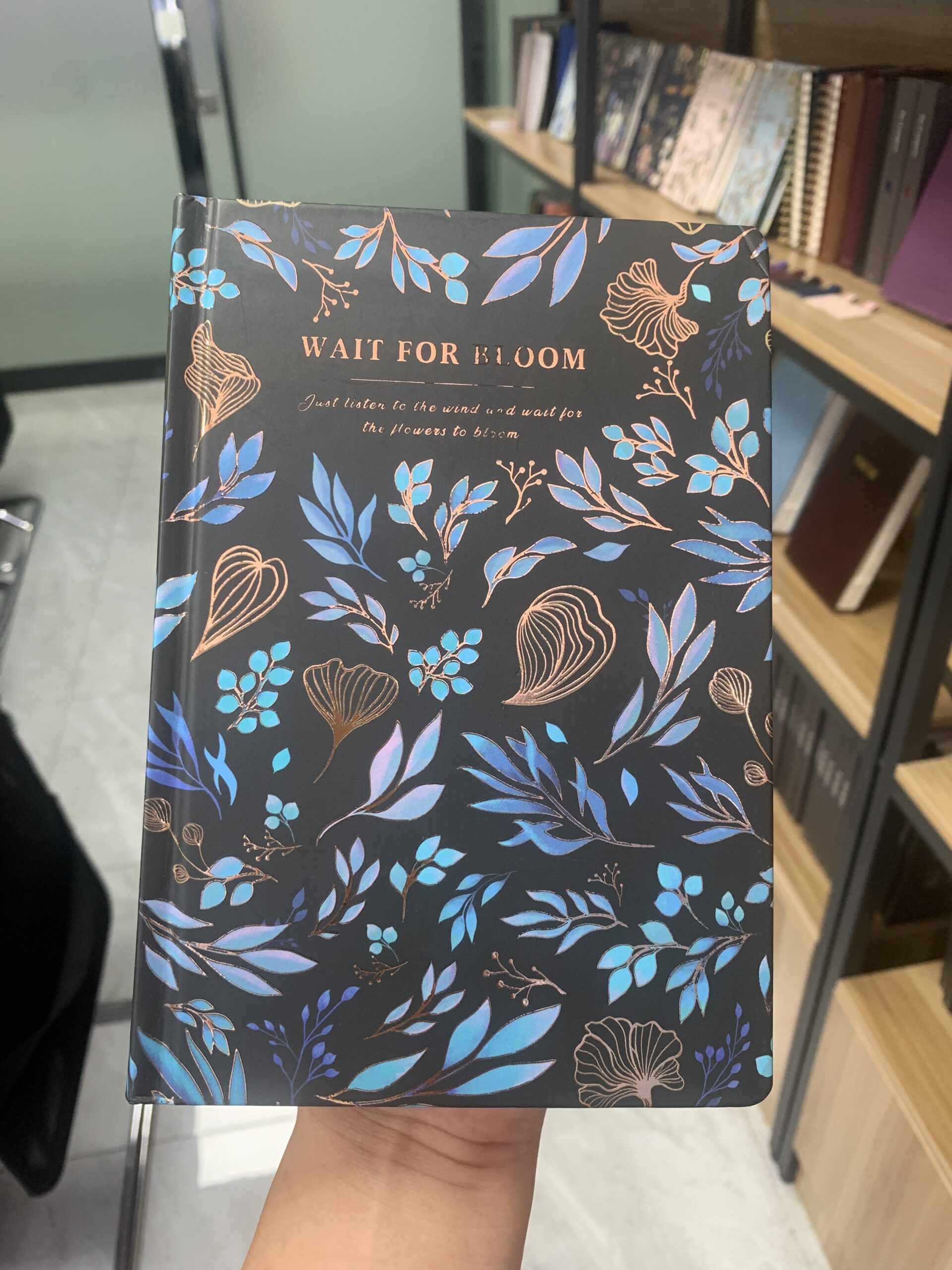
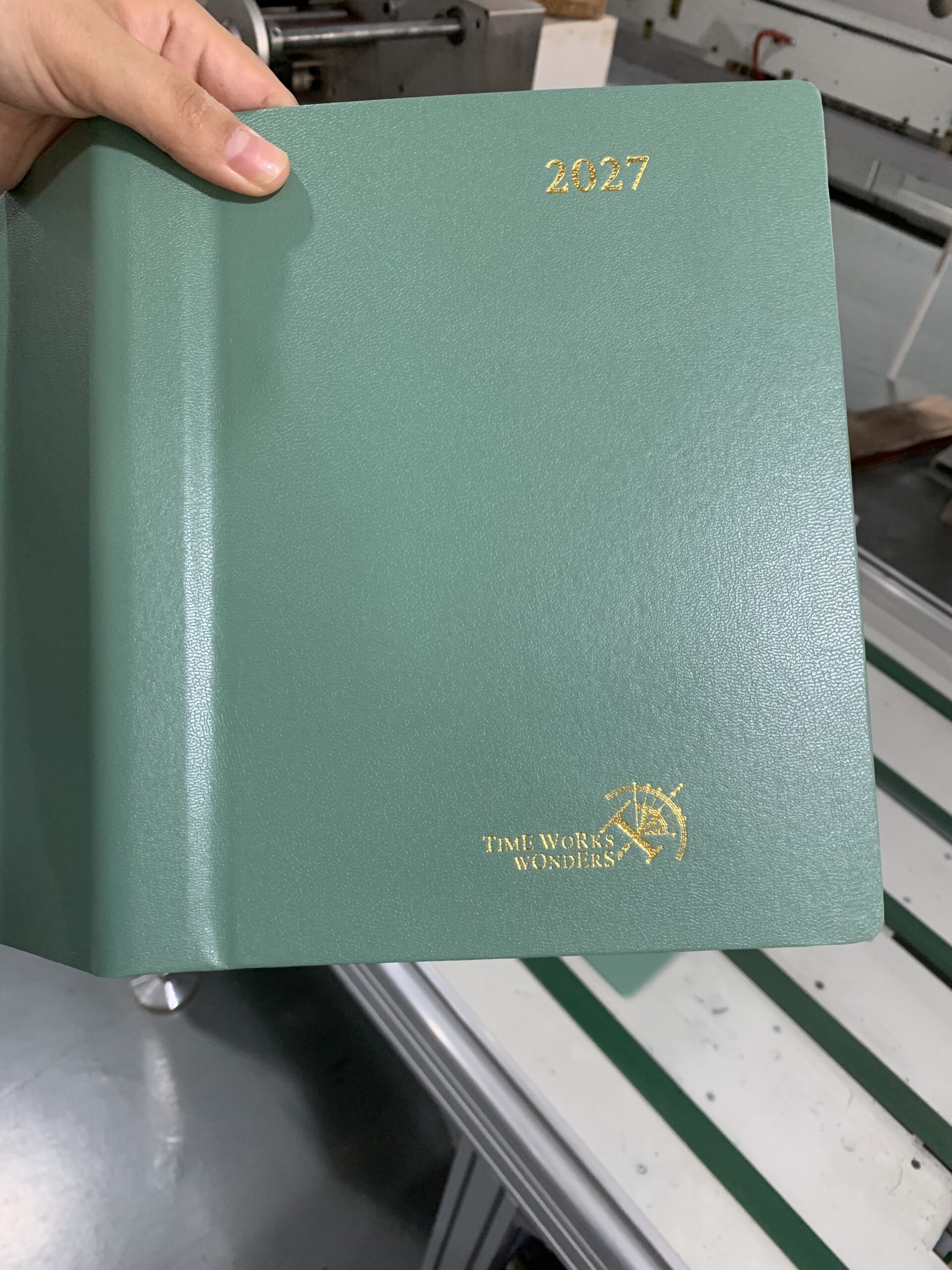
- Multi-Tone Foil Stamping: Gold, silver, rose gold, champagne & holographic foils enhance gifting value; reserve ample white space, full-surface stamping looks cluttered
- Emboss & Deboss: Ink-free subtle dimensional texture, highly compatible with leather and fabric covers; deboss for understated elegance, emboss for prominent logos & patterns
- Spot UV Varnish: Gloss highlights over matte base to accent logos, years and motifs for layered low-key luxury
V. Value-Adding Customization Solutions for Covers
Customization is core competitiveness for private label, cross-border white-label and corporate gift orders, with functional upgrades lifting product premium:
- Logo Foil Stamping / Blind Embossing: Small understated marks exude luxury, compatible with all cover substrates
- Functional Attachments: Elastic bands & pen loops; contrasting band colors add visual layers
- Luxury Fine Details: Satin ribbon bookmarks, metal corner protectors with gold finishes for gift sets and matte black versions for modern business styles
- Retail Packaging: Belly bands, paper sleeves, gift boxes and display trays; eco lines eliminate plastic wrapping entirely
VI. Industry Trend: Sustainable & Eco-Friendly Cover Design
Low-carbon sustainability is no fleeting trend but a long-term necessity for product lines. McKinsey’s 2025 Global Packaging Survey shows price and quality remain top purchasing drivers, yet eco materials and packaging increasingly sway consumer decisions.
Main Sustainable Implementation Solutions:
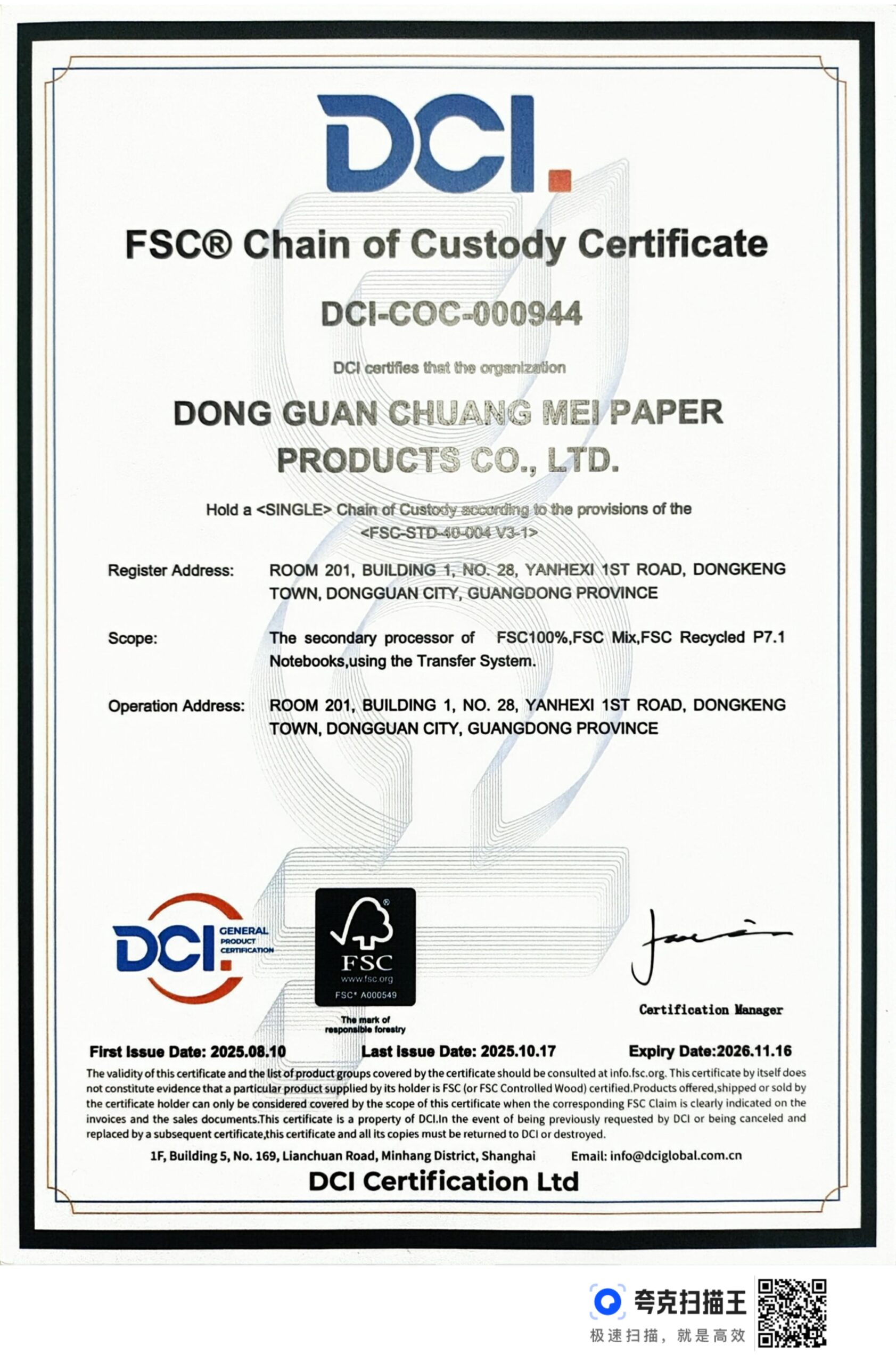
- FSC-Certified Cardstock: Core eco selling point for boutique stationery and branded corporate gifts with official label usage rights
- Vegan Recycled PU & Animal-Free Fabrics: Fit cruelty-free brand positioning; clearly state recycled material percentage in marketing
- Water-Based Inks & Minimal Paper Packaging: Reduce lamination and composite coatings to simplify recycling
Marketing compliance rules: Avoid vague unsubstantiated phrases like “100% eco-friendly” or “green notebook”. Exports must abide by FTC Green Guides, all environmental claims supported by official certification paperwork.
Conclusion
High-end all-channel planner covers require integrated design of materials, crafts, board thickness, color palettes, brand branding, eco compliance and production costs. To create best-selling lines, select base materials matching target customers, add one or two premium crafts, unify brand color systems, ensure verified eco marketing claims, and conduct full sample testing before mass manufacturing. Refined cover design elevates the overall value of planners, serving as a critical competitive edge for private brands, cross-border white-label collections and corporate gift series.