Book Categories:

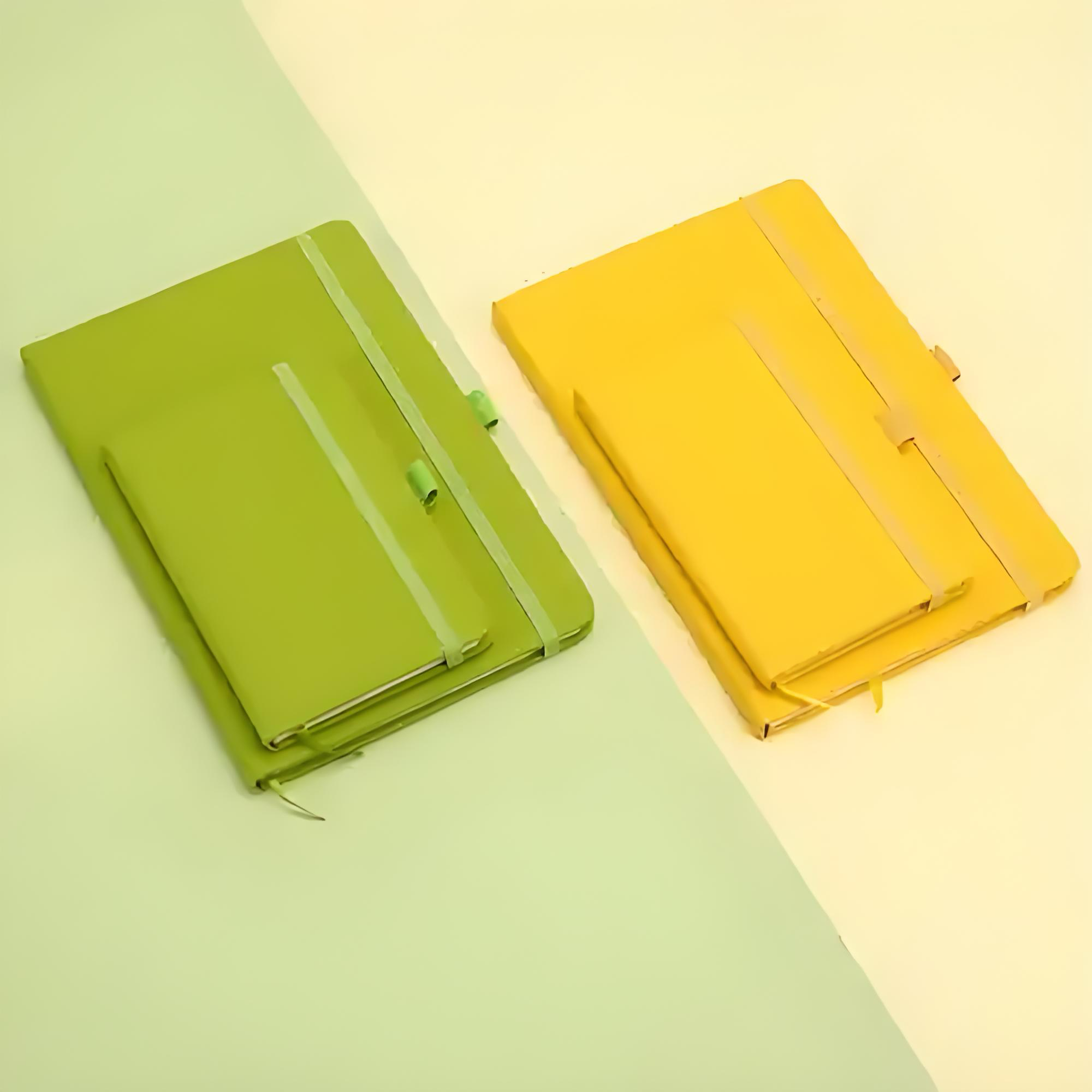

All wholesalers offering custom planners and corporate gifts share the same realization: planners look simple to produce with low entry barriers, yet they are the most error-prone product that constantly erodes profits.
Most profit losses do not stem from low unit prices, but from flawed sample production, inconsistent bulk goods, out-of-control craftsmanship, delayed deliveries and customer complaints.
Below are the most genuine, frustrating hurdles of custom wholesale, compiled from real frontline bulk order experience.
1. Flawless Samples, Substandard Bulk Goods (Unstable Texture Across Batches)
The biggest hidden pitfall of planners is a massive gap between samples and mass-produced goods.
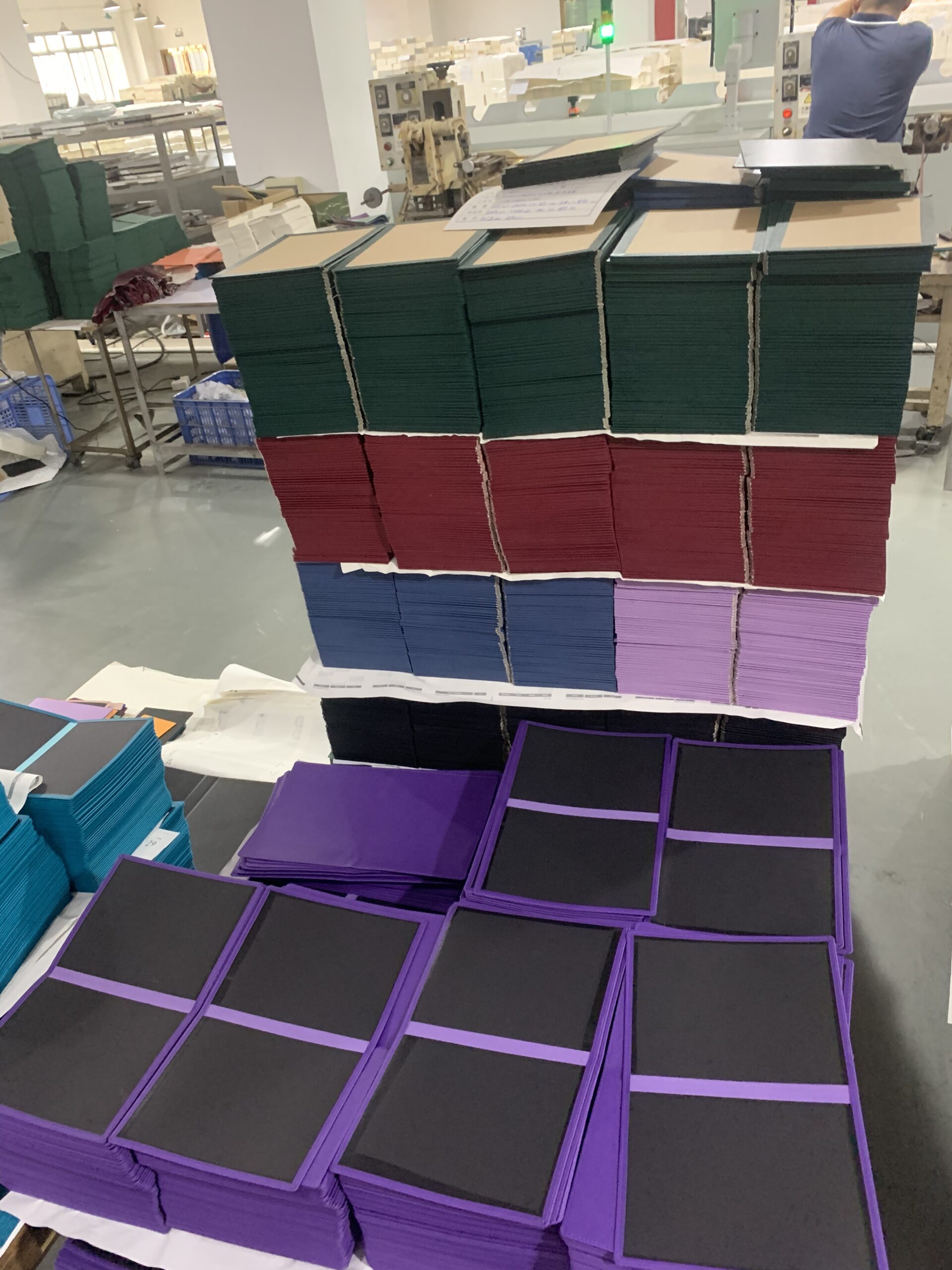
Factories use premium raw materials, precise alignment and slow, careful craftsmanship for sampling. But during mass production, material batch changes, faster assembly lines and human error lead to common issues:
- Hardened PU leather with messy textures and obvious color differences
- Uneven soft-touch film with inconsistent smoothness
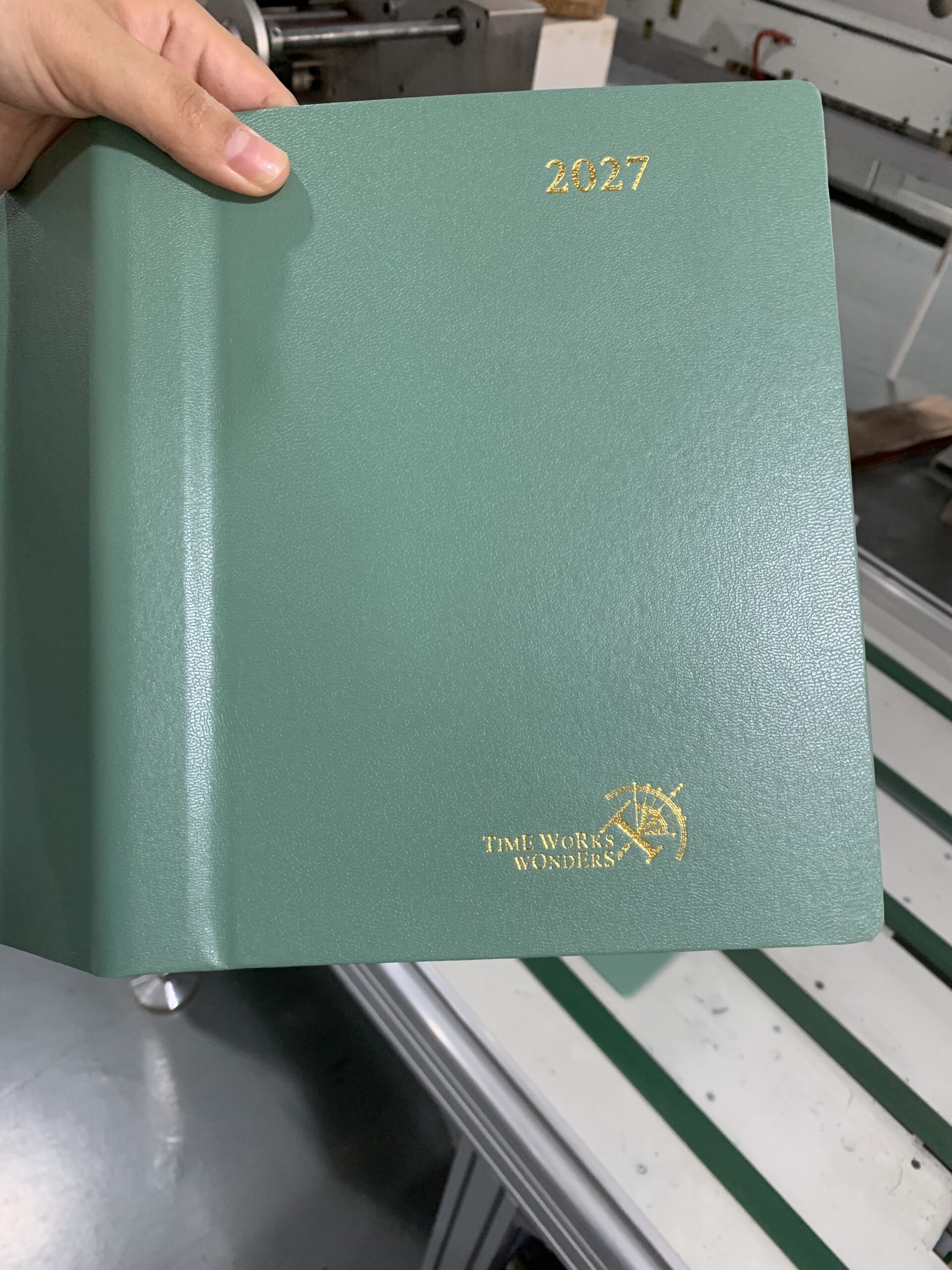
- Imperfect gold foil stamping, uneven debossing depth and misaligned logos
- Misaligned linen fabric patterns and drastically reduced overall premium finish
Wholesalers end up bearing all losses: clients only accept goods matching the sample, so flawed bulk orders force full rework at your own cost.
2. Fully Transparent Material Prices Make Profit Margins Hard to Secure
Planner cover materials are widely available, so clients frequently compare quotes across suppliers.
Costs for coated cardstock, PU leather, linen and soft-touch film are public knowledge within the industry, triggering brutal price competition among peers.
Upgrading materials and craftsmanship for better texture immediately raises costs, while sticking to low-cost options leads to worn edges, peeling lamination and cheap-looking finishes.
Wholesalers face an endless dilemma: premium versions risk poor sales due to high pricing, while budget versions trigger mass returns from subpar quality.
3. Ultra-Low Craft Tolerance; Tiny Defects Lead to Full Order Rejection
Basic notebooks allow minor imperfections, but premium planners sell on appearance and tactile feel, making clients extremely strict with quality.
Small flaws that result in full order rejection include:
- Faint fingerprints or scratches on dark covers
- Slightly warped hardcovers, uneven corner protectors
- Air bubbles and wrinkled lamination
- Off-center gold foil stamping and uneven blank margins
- Minor stains and color variations on linen fabric
Any lack of precise craftsmanship downgrades the entire batch. Corporate and gift orders will be fully rejected over these small imperfections.
4. High Risks & Frequent Issues With Custom Corporate Logos
Most bulk orders are corporate gift sets centered on custom logo printing, which also generates the largest volume of customer complaints:
- Gold foil and debossing deliver vastly different results across cover materials
- Gold foil on dark leather often appears faded or unevenly shiny
- Debossing on linen fabric turns blurry and indistinct
- Inconsistent logo size and placement across multiple production batches
Many manufacturers only use one universal template without adjusting techniques for different materials, resulting in inconsistent logos across every notebook in a single order.
5. Heavy Delivery Pressure & Exorbitant Rework Costs
Planners are hardcover bound goods with extremely high rework expenses. Any last-minute changes to dimensions, colors, logos or craftsmanship after confirmation essentially require remaking the full order.
Combined with tight factory production schedules during peak seasons, wholesalers often get squeezed between clients with sudden revision requests and delayed factory shipments — resulting in total profit loss.
6. Poor Cross-Channel Compatibility; One Material Cannot Suit All Buyers
New wholesalers often make the critical mistake of using one single cover material for every sales channel. Each market has distinct core requirements:
- Supermarkets: Durable, cost-effective, scratch-resistant covers
- Stationery stores: Unique textured finishes that photograph well for social media
- Corporate gifts: Luxurious, uniform, defect-free appearance
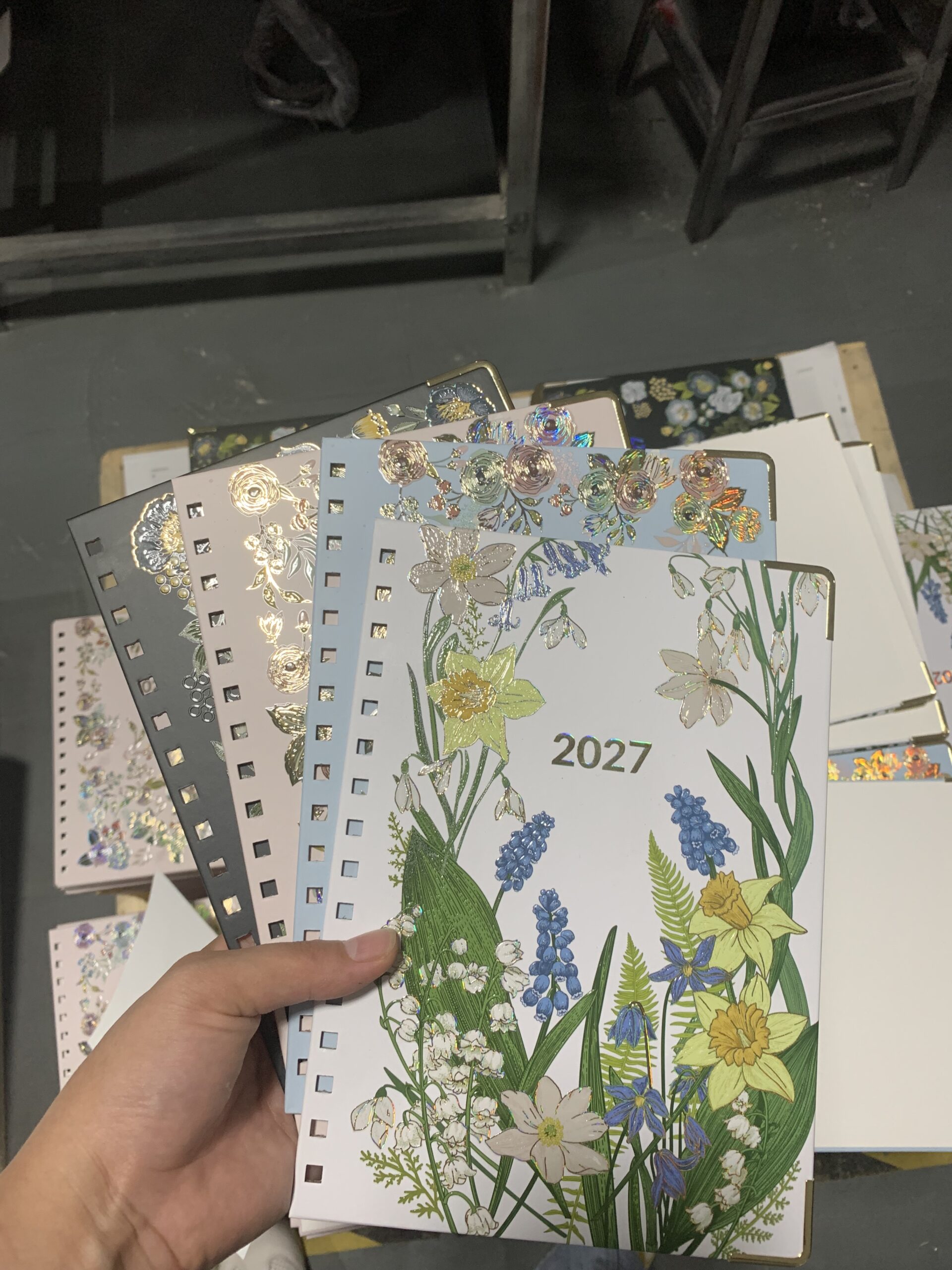
- Cultural & creative brands: Premium texture, waterproof treatment and specialty finishing
Choosing the wrong material creates a dead-end product: attractive yet unsellable, marketable yet low-end, or premium yet unprofitable.
Conclusion
Success in custom planner wholesale does not rely on rock-bottom pricing — it hinges on consistent quality control.
The core competitive edge for wholesalers is reliably producing uniform, defect-free planners with minimal after-sales issues.
Selecting matching materials, enforcing strict craft standards, standardizing sampling processes and tailoring products to each sales channel cuts rework and complaints, stabilizes profits and builds repeat long-term client orders.